






Never fear, faithful readers. I’m back again to share my misadventures in Kazakhstan, energized by the changing seasons, and inspired by my recent travels. (Writing, I’ve found, is like running: it doesn’t take long to fall out of practice—plus, sitting on the couch is just easier.)
The idea for this post has been spinning its wheels in my brain for some time. The seed was planted while we slipped across treacherous, ice-covered parking lots and steered Mishka past frozen piles of vomit. It grew into longing as the winter dragged on, like an itch I couldn’t scratch. One more snowstorm became one more snowstorm. (At that point, it was getting personal.) And the thought of navigating the hostile, frigid market made me want to sink further into bed.
I found myself wearily watching street sweepers sweeping a six-lane highway by hand, with brooms that looked like something stolen from a witch. Why was so much effort being wasted on something so seemingly pointless?
Then, sometime in February, I had a dream about a supermarket: the entryway was bursting with blooming perennials; the store attendants, wearing matching aprons and matching grins greeted me with a “Hello!” and a shopping cart; rustic, reclaimed wood had been used to construct all of the produce stands and display shelves; the interior was beautifully, logically organized…and then, I started crying—sobbing in fact, in such a deep way that I woke myself up. Then laid in bed in a stupor of confusion and longing for several minutes trying to decode my dramatic reaction.
And suddenly: clarity! My longing emerged from ambiguity to reveal itself as longing for civilization. Glorious civilization! Someplace clean. Someplace polite. Someplace safe, and efficient. A place that is bike-friendly, pedestrian-friendly, dog-friendly. Someplace green (ecologically-leaning), and green (containing parks and tree-lined streets). International. Artsy. Neighborhood-based with thoughtful, durable architecture and locally-owned businesses. Modest. Democratic. Hard-working. (Note: This is not to say that Kazakhstan is none of these things, but five solid months of winter would make anyone throw a serious temper tantrum.)
========================================
I recently picked up Bill Bryson’s The Lost Continent. This exploration of small-town America was attractive to me for two reasons: because I grew up in a tiny, central-Illinois town, and because I could sense that Bryson was longing for something, too. His attempt to find the idyllic, American small town resonated with my own pursuit of civility. As Bryson travels, he compiles a list of desirable traits and highly livable towns, and many times during his travels, he almost finds what he’s looking for.
Bryson’s approach is brilliant. At first, his goal indeed appears to be finding “Amalgam,” the tidy, sunny town from his childhood memories, but the end product is, instead, a hilarious yet critical account of the people and places he discovers along the way. Bryson wasn’t looking for America’s perfect small town: he was looking for a story.
========================================
In all it’s rudeness, crumbling infrastructure, and head-first diving into conspicuous consumption, a brilliant fellow expat pointed out to me that we’re lucky because every day something wacky happens in Kazakhstan. Today, it happened before 10:00 a.m.:
Arman is my favorite apartment security guard. He has the body of a bear, a head like a giant potato, and a full grill of gold. He is always smiling, and he speaks no English. This morning, he gave me a giant hug when he spotted me post-run. (Yes, I was sweaty.) He immediately began shouting something in Russian—each sentence louder than the one before it. Finally I understood that he was wondering where I had gone. Running? No. (People on the sidewalk were staring now.) The shouting was getting even louder. I held back a smile and tried desperately to channel my Russian instructor: past tense of “to be”…now make it feminine…the verb directs the case of the following noun…add the appropriate ending…At last I was able to communicate that I had been in America for ten days. Phew.
Which brings me, in my typically meandering way, to my recent trip to the U.S. This was my second trip to the States since Sam and I moved to Kazakhstan. While the first trip felt necessary (culture shock is a bitch), this second trip had a much different feel. I realized three significant things while I was there:
1. America isn’t as awesome as it is in my head. It’s true: absence makes the heart grow fonder. But for all the wonderful things America has to offer (bike lanes, recycling programs), it is also often overwhelming or overdone. For example, one of the grocery stores that my parents frequent is massive, but filled with so many choices (and so many sugar-filled and chemically-derived foods) that I left feeling bewildered, not blessed.
2. Rudeness, inefficiency, and filth are everywhere. Not just in Kazakhstan.
3. Almaty isn’t a prison. This was the biggest lesson I learned from going home, and one that came as a complete surprise. It was the friends and family I stayed with who helped me understand that my trip wasn’t that special—but I don’t mean this in the bratty way it sounds. My trip wasn’t special because our ties to the U.S. remain as strong as ever, and our ties to Washington, DC will last as long as our overseas assignments do. My first return to the States proved that I could leave Kazakhstan, but on this trip, that was never in doubt.
========================================
It turns out that what I thought was “civilization” was actually just my preference. Much to my dismay (I now realize), the world is a big, dirty place. The bigness, the dirtiness, the elbowing through crowds, and shouting on noisy street corners—this is how most of the world lives. This is civilization.
The consequence of wishing my preferences, my civilization on everyone is that every place would be clean, quiet, and efficient. Every person would be like me. It would all be so easy. All of my stories would be tidy, scrubbed behind the ears, and in bed before 9:00 p.m. And if I’m honest with myself, those stories would be, well, pretty boring.
========================================
After the snow melted, this skull (species unknown) smiled up at us each morning from the busy intersection where we park our car. Photo by Sam Kraegel.

Happy National Peanut Butter Day, y’all. Americans are nuts for this, our favorite legume in spreadable form. Afterall, what is childhood without the PB&J?
Before there was peanut butter…
The peanut is thought to have originated in South America. It traveled the world before landing in North America in the 1700’s, and grew to become the cheap, protein-packed little package of joy we know today. The U.S. is the third-largest producer of peanuts (China and India come in first and second place, respectively). And after WWII, commercial peanut butter became a staple in the American pantry. (Though strangely nowhere else in the world, despite the wide proliferation of the peanut itself.) It is estimated that every American eats more than three pounds of peanut butter each year.
I eat three times this much.
I f*cking love peanut butter: on rice cakes, spread thinly on a square of dark chocolate, straight out of the jar. I eat the stuff every day, so you can imagine my horror when the reality of the foreign service set in. I’m not talking about the challenges of surviving in a foreign culture where I don’t speak the language—living overseas meant I would no longer be able to find my favorite nutty spread.
So life handed me lemons. Guess what? I made peanut butter:

We begin with the STX TURBO FORCE…
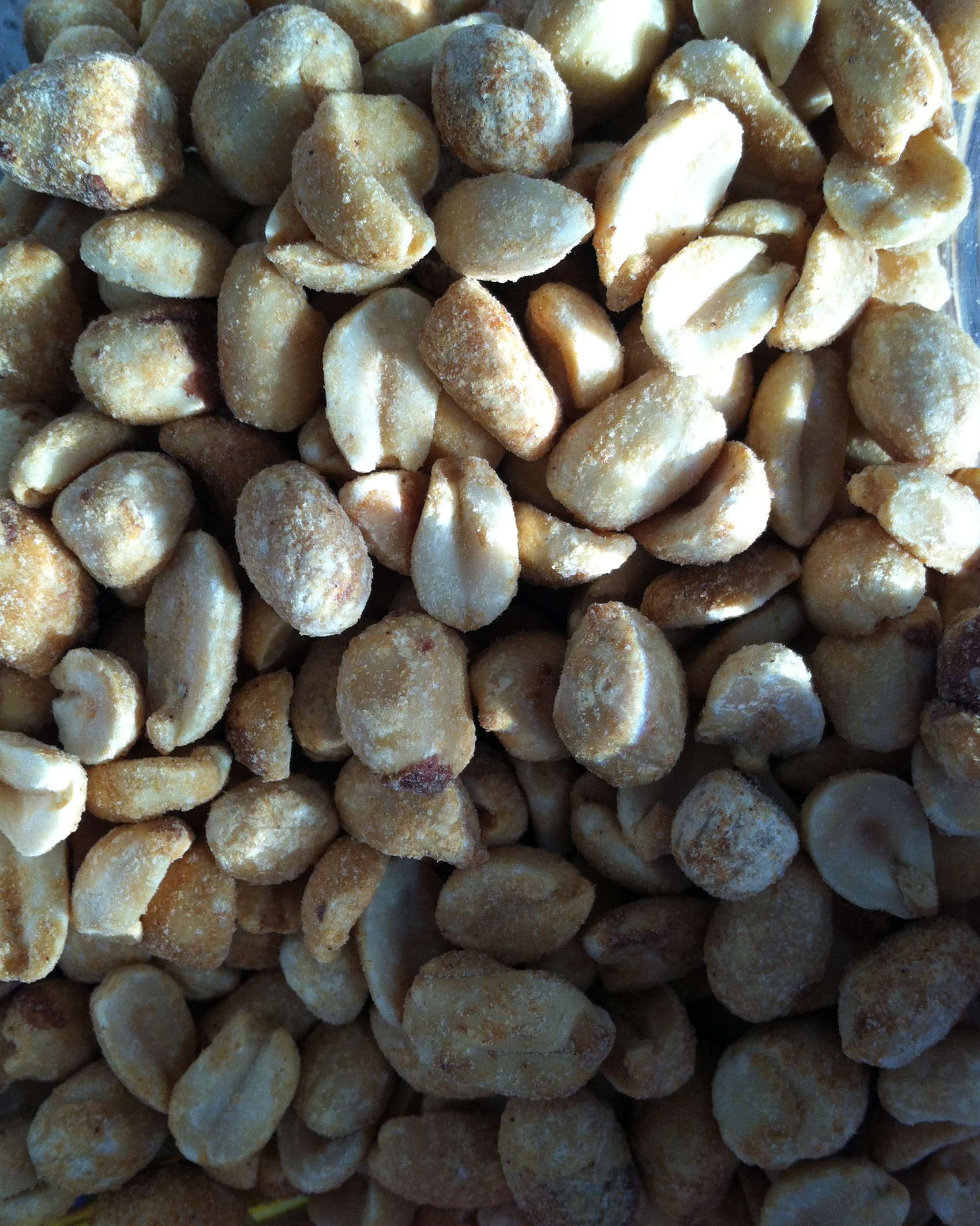
add a whole buncha dry-roasted & salted peanuts…
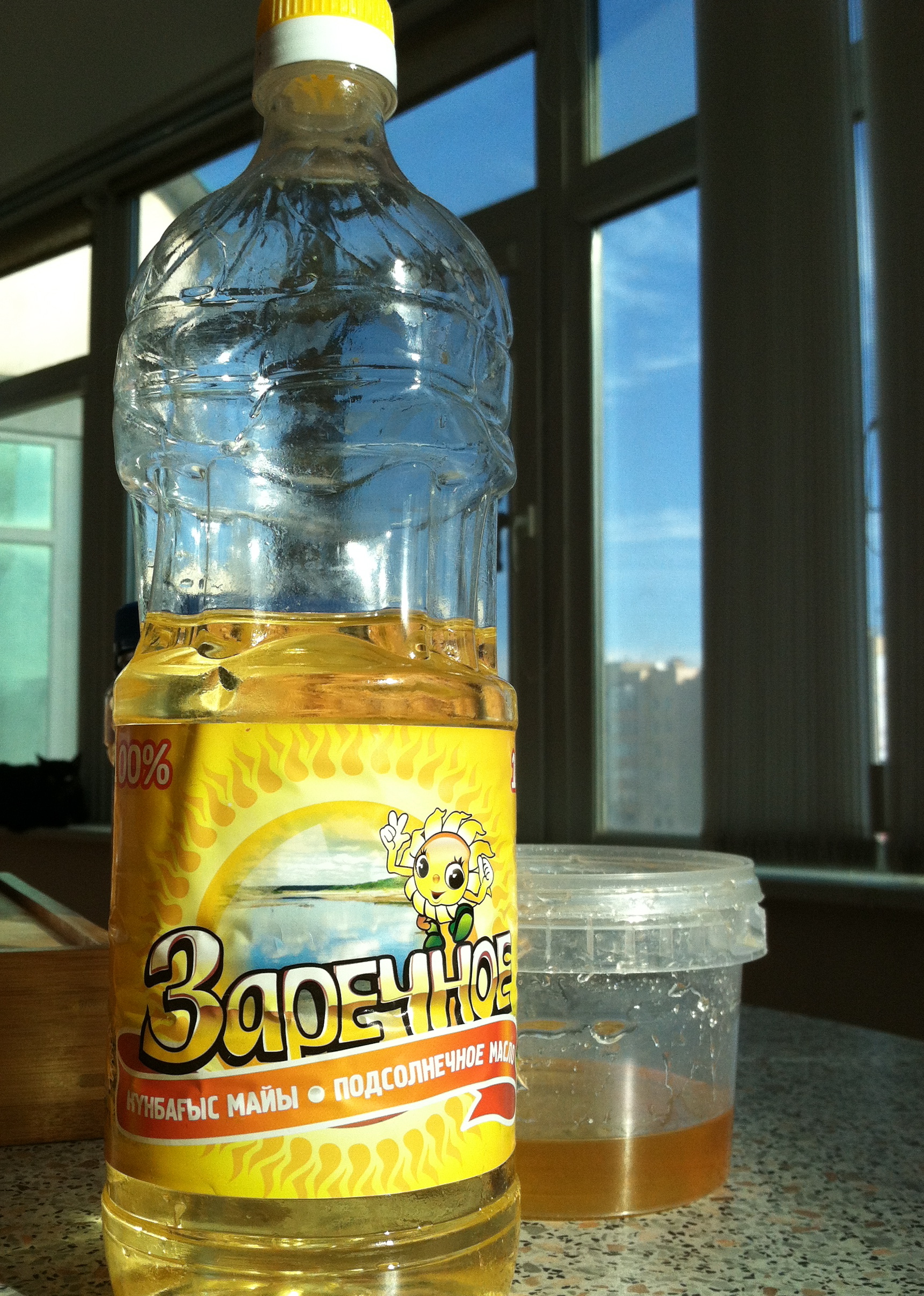
a few quick dashes of sunflower oil…
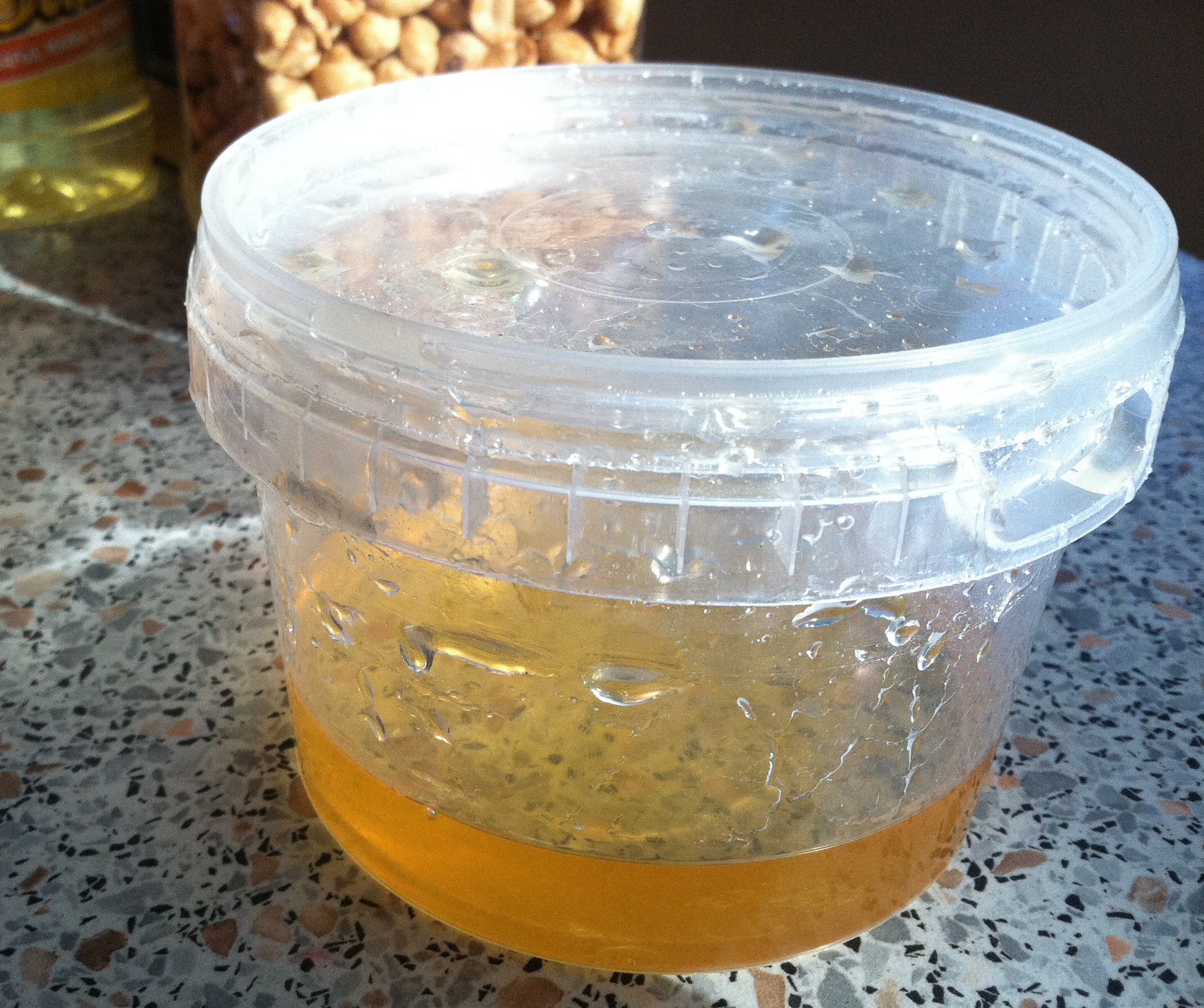
…and a little local honey.
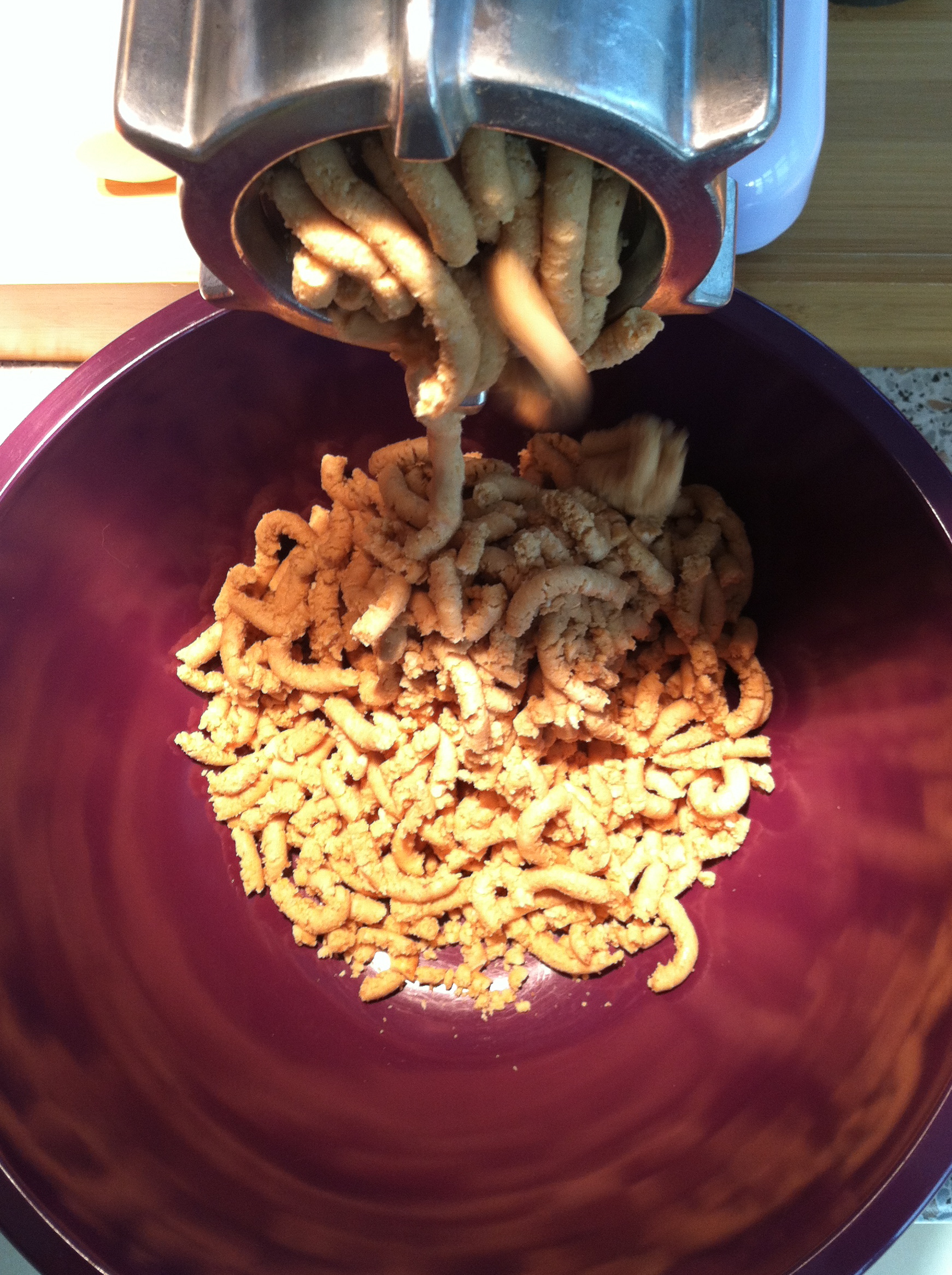
Now grind…

and grind…

…and grind some more!

Then pack it up! Homemade peanutty goodness…
fin
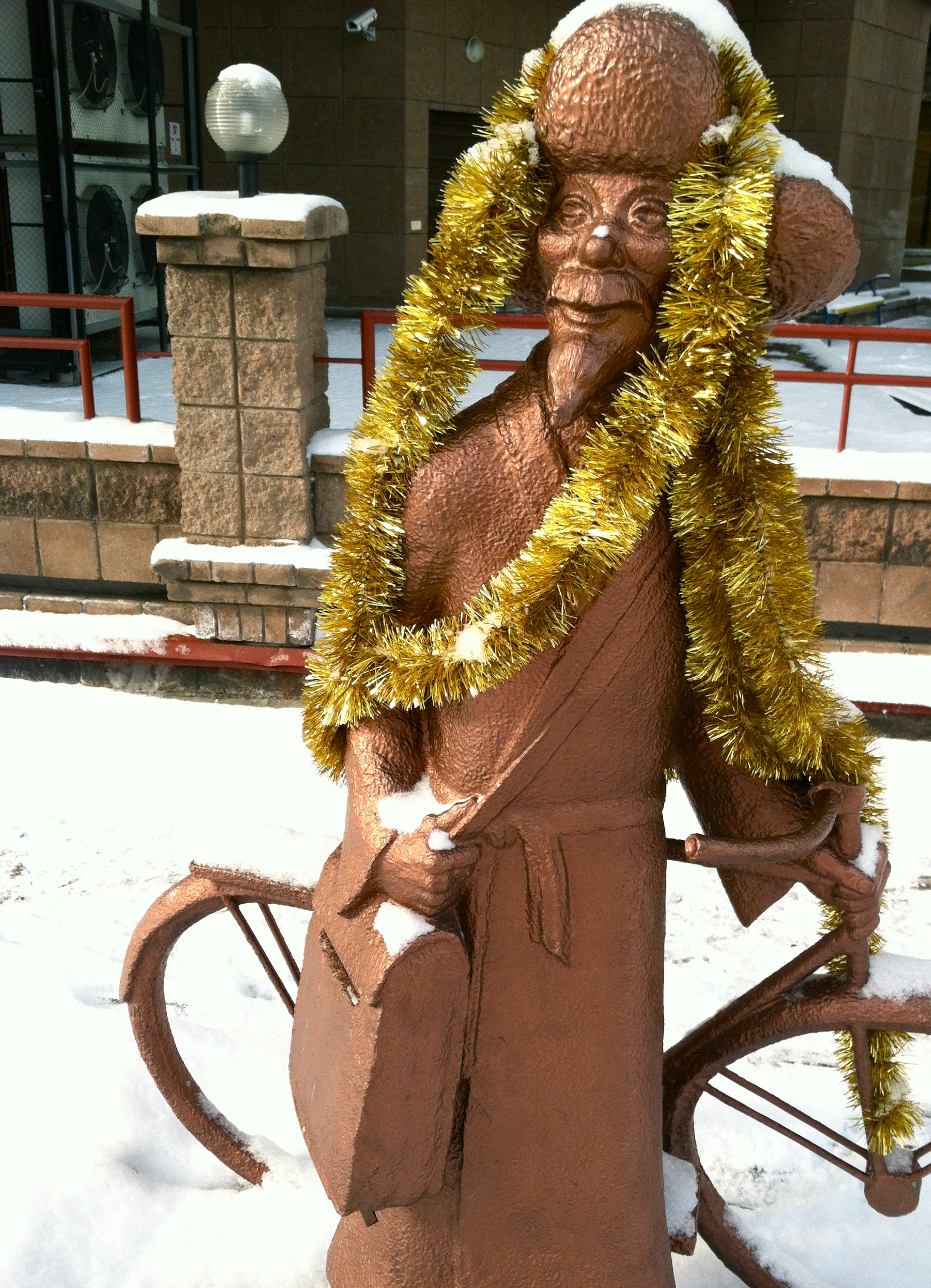
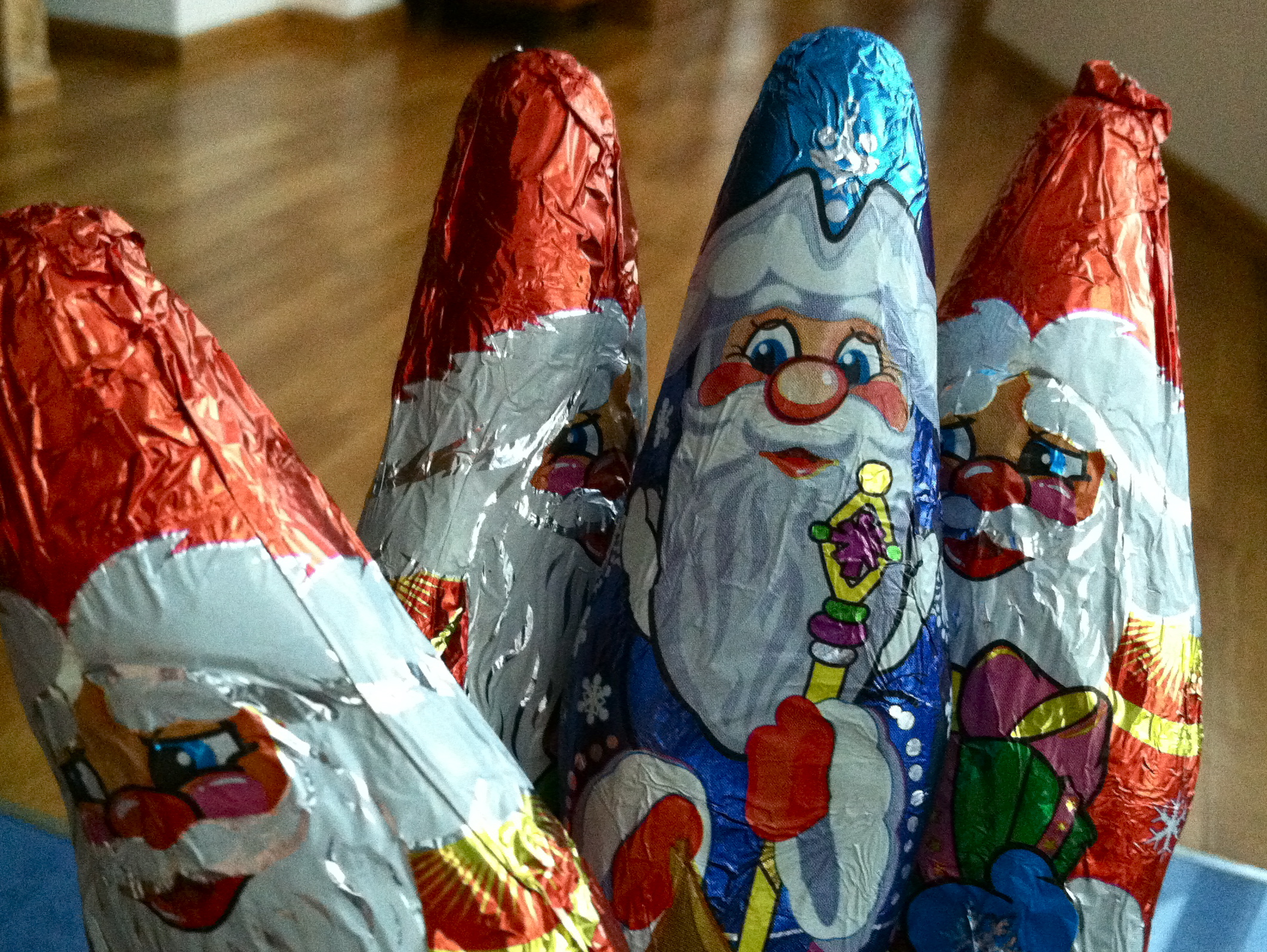
New Year’s Eve is a BFD in the former Soviet Union. It’s the equivalent of our American Christmas. In fact, it’s virtually identical—complete with decorated fir trees, gift-giving, and a jolly old elf known as Father Frost who appears to be Santa’s twin in blue. (One notable difference is Father Frost’s companion. Supposedly his granddaughter, the relationship between Father Frost and Snow Girl, as she’s known, appears less innocent than it purportedly is. A result of Father Frost’s midlife crisis, perhaps?) Now throw back some vodka, light a ton of fireworks, and count down from ten: С Новым годом! (sno-veem go-dum!, or Happy New Year!)
Today marks two weeks after the beginning of the new year. This is the perfect time to assess the viability of one’s resolutions for 2014—it’s been said that it takes two weeks to change a bad habit…or to start a new, better one. A few resolutions tossed around the American community here include losing weight, participating in the Almaty half-marathon, being on time for things, making more of an effort to learn Russian, and my personal favorite: purchasing lamb from the Green Market and cooking it. Ignoring the Kazakhstan-specific nuances, these are all your run-of-the-mill resolutions.
It’s easy to make resolutions. We make them all the time. But the collective effort of goal-making that goes on at the beginning of each year gives these decisions extra heft. Accountability can be simultaneously our worst nightmare and our only reason for hanging on to the commitment we made when the clock struck midnight. Luckily, the close friends with whom we share our goals will still love us even when we don’t lose 25 lbs., or keep being late, or continue using the same four Russian sentences we’ve always used.
Alternative approaches to The Resolution are out there. The best I’ve learned so far is one that we adopted at this year’s celebration. A Soviet tradition—a wish—not a resolution. Before the completion of all twelve strikes of midnight, one must do the following: 1.) write a wish on a small scrap of paper napkin; 2.) set the wish on fire, being certain to catch all of the ashes on a plate; 3.) tip the ashes into a glass of champagne; and finally 4.) drink the entire glass—champagne, ashes, wish and all.
Nearly all of us were new to this tradition, which meant we made a lot of rookie blunders: burnt fingertips, snuffed candle flames. I’m guilty of panicking and dousing my flaming napkin in my champagne, making for a soggy, ashy gulp that stuck in my throat. Blegh. But after all of this, assuming you’ve managed to successfully complete all of the four steps above, and you’ve kept your wish a secret, it will come true in the new year…
Sorry, faithful readers, I’m not about to share my wish with you. But I will share some photos that prove Almaty is serious about New Year’s Eve…here’s to 2014!

New Year’s Trees for sale at the Green Market.

Nastya has holiday spirit: have you spotted the mini fir?

You could be the next Father Frost or Snow Girl!
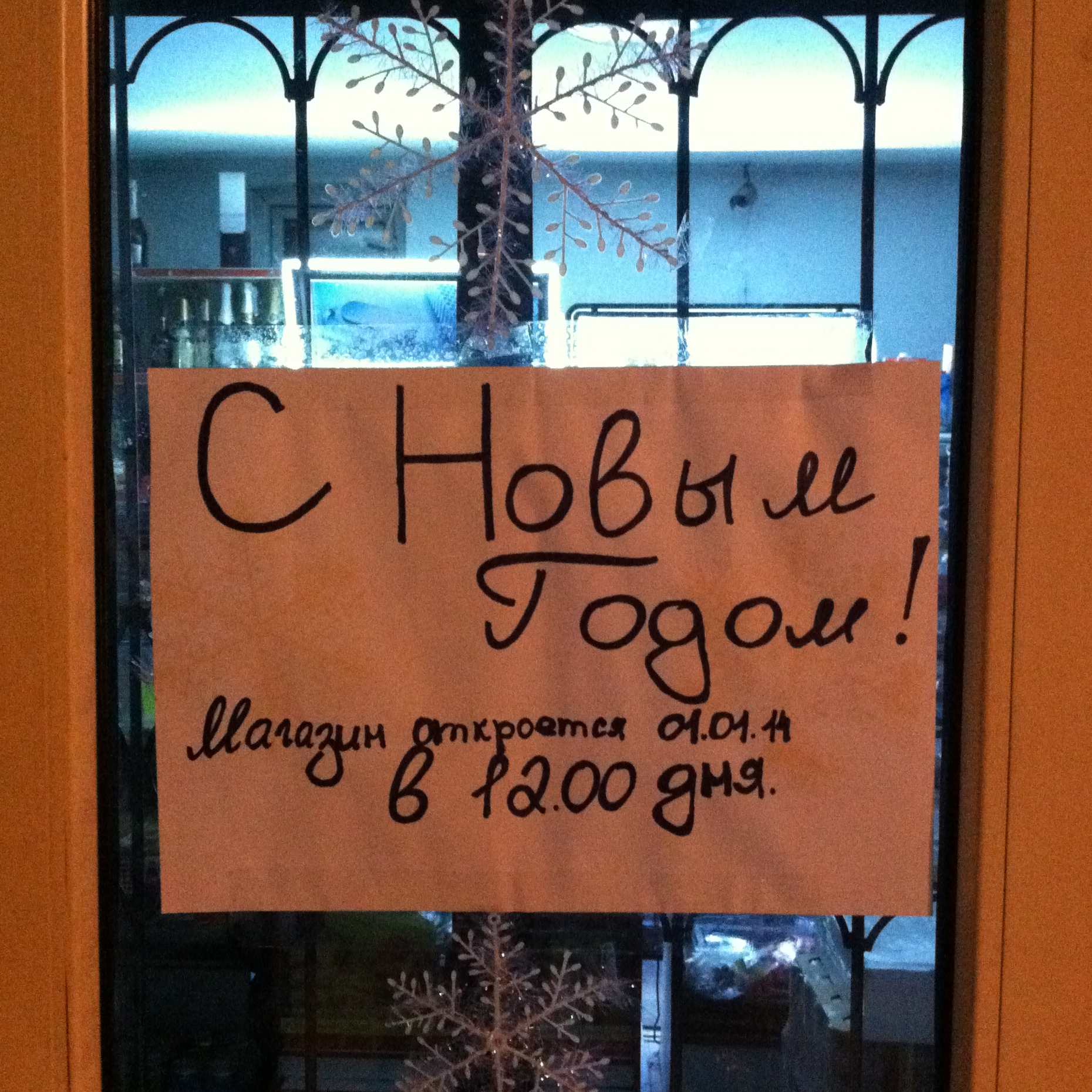
This shopkeeper celebrates the holiday! (Come back tomorrow at noon.)

BIG MONEY. This firecracker exploded with mini $100 bills.

On our way to Kok Tobe.
I can’t explain why winter in Almaty has been so delightful. I’m speaking truthfully here—somewhere between the persistent darkness and the treacherous sidewalks, something magical has happened. Almaty, it seems, was made for wintertime. The stereotypically Soviet personality fits: brusqueness perhaps built on the desire to stay warm—“Hurry up! It’s cold out here!” The crumbling, bunker-esque buildings fit too: most have ghastly, mismatched exteriors, but the interiors are warm, inviting, even extravagant. (Lost on us during the summer months, many of Almaty’s idiosyncrasies and eyesores begin to make sense, or even become attractive during the winter.)
Our first big snow happened one week before Thanksgiving. Eight inches of glorious fluffiness fell from the sky, scrubbed the sooty air clean, frosted the mountains, and made the city sparkle. Mishka and I were in heaven, and plowed a fresh path over Sheep Hill and up to Kok Tobe (the highest point in Almaty proper) from which we could admire the city as if it were a miniature holiday village, complete with snowy rooftops.
The muted color palette and slower pace suits Almaty, too. The dark, gray branches of bare trees are offset beautifully by the white snow resting on them—the lack of wind guarantees a gorgeous wintry display every time it snows; the fir trees bow and dip with the weight of the stuff. And, most people stay inside, dry and warm—which means that it’s the perfect time to get out.
The chilly air is welcoming after the oppressive heat found inside most buildings. It takes only moments to escape the city to a place where wintry scenes await. In the mountains the snow reaches to mid-thigh; most paths would be impassable without snowshoes or hiking poles…
—
I was composing the above in my head while hiking, delighting in Kazakhstan’s snowy spectacle, when I slipped mightily on a steep, snowy portion of the trail. My knee made a sickening pop when I fell. As you know, knees normally bend in one direction—forward. But mine decided to make a 90-degree deviation from the norm. I’m certain that I yelled the ‘f’ word no fewer than 6 times—both because of the pain and because of the rushing realization that I may have massively screwed up my knee. I will be doomed to months indoors! But after a doctor’s visit, I celebrated my tenacious ligament—my injury was just a sprain.
As a direct result of this injury, I’ve been thinking a lot about the healing process—the awareness of body and mind, the passage of time. Luckily, this is my first medial collateral ligament injury, and the pain has already started to dissipate. Slowly, yes, but I can mark the passage of time by decreasing increments of pain, and the increasing ease in my gait. It will be two weeks before I can hike or ski again, but I am thankful for the opportunity to sit and read, or write, or draw (albeit with an ice pack strapped tightly to my knee), as I don’t typically make enough time for these things. I’m also thankful for the reminder to move thoughtfully and wear my helmet: you live in Kazakhstan, girl! Any serious injury means an emergency trip to London for surgery. Oof.
The things I’ve learned about healing are also pretty awesome ways to live your day-to-day—that is, as long as you’re willing to take a deep breath and accept your new reality. Healing is about time, about prioritizing, about taking care, and surrendering to limitations. It’s about awareness, and about patience. Healing forces you to slow down and take in the sleepy winter morning, the pink glow of the sun just peeking over the mountains. Healing is about the recognition of imperfection, and about being willing to admit that you need help getting down the ice-packed stairs.
Right now, the slowness fits. It feels as if the hum and rhythm of the city has finally matched mine—or maybe mine has finally matched it. Either way, I’m feeling rather in harmony now, much like how it feels to sit quietly in a warm concert hall on a frigid December night, watching tiny ballerinas spin in time to Tchaikovsky’s Nutcracker suite;[1] or the ease of skating on fresh ice, that quick-slippery-almost-flying feeling.
Is it possible to maintain this blissfully measured pace? Not a chance. When my two weeks is up, you better believe I’ll be right back out there: bright-eyed and rosy-cheeked…but this time, I will definitely, definitely be watching my step.


Waterfall, nearly frozen.

Birch trees in the snow.

Mishka sprints to catch up with my hiking partner.


[1] Classical music has been shown to smooth brainwaves.
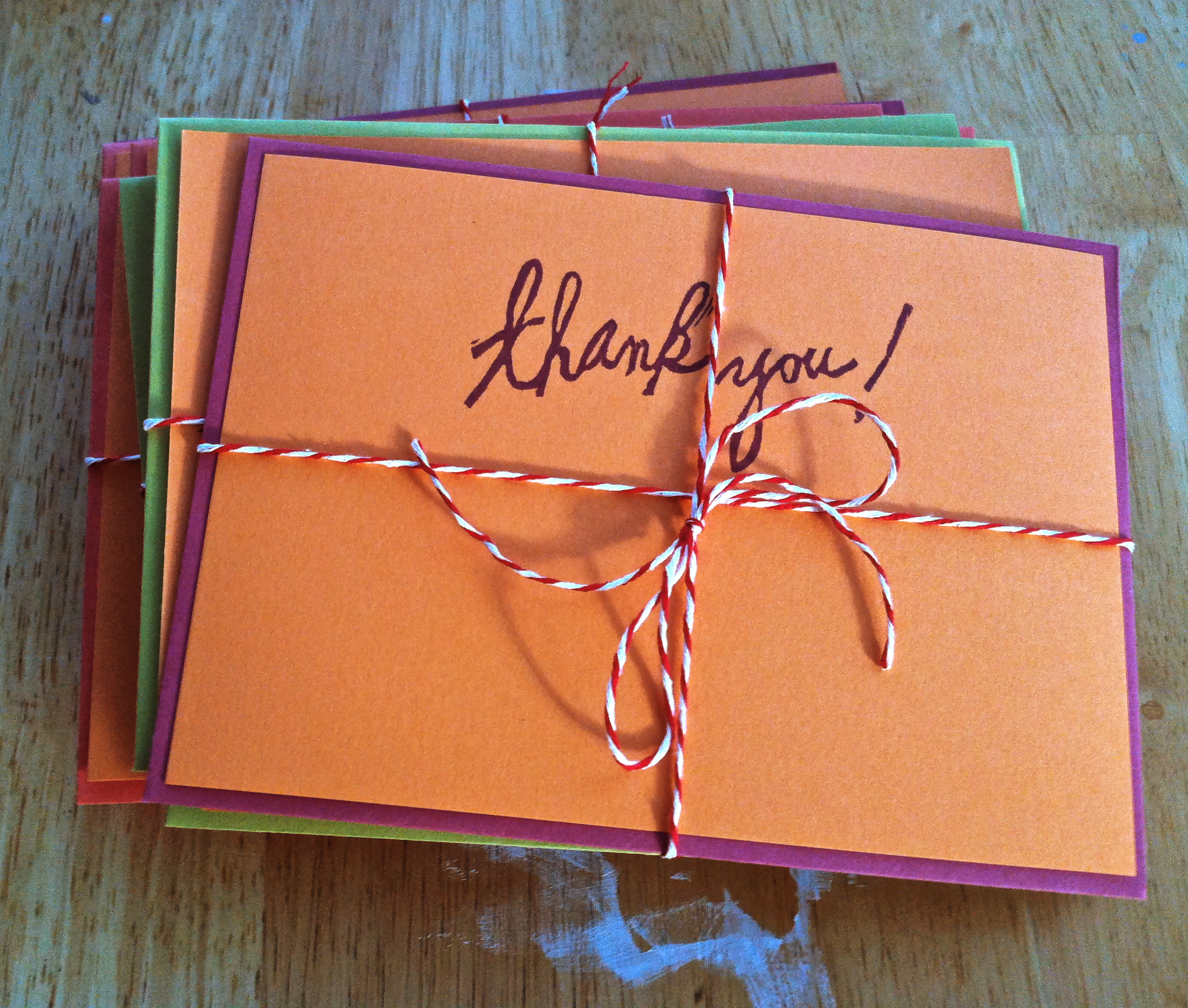
As I write this post, I’m polishing off the last few bites of a phenomenal Thanksgiving feast—let’s call it my fourth or fifth Thanksgiving this week. Am I embarrassed that I’ve eaten an entire pumpkin pie since last Thursday? Hell, no: pumpkin pie is the new breakfast of champions.
While the rest of the world may see Thanksgiving as gluttonous and macabre—a celebration of a fictional feast between Pilgrims and Indians that precedes the near destruction of American Indian civilization, accompanied by the mass slaughter of millions of turkeys—we expats in Kazakhstan see it as a challenge. You better believe we had a real Thanksgiving.
The menu may have been the same, but the food tasted better this year than ever. This is how we made it happen:
Turkey
Purchased in pieces by the kilo—whole turkeys are hard to come by. We cooked up four breasts and three legs, and paid almost $75 for said turkey parts. We decided on three flavor varieties (cajun-spiced, butter-bacon-infused, and traditional brined), then spent two days pre-celebration in turkey-prep-mode.
Mashed potatoes
24 potatoes for 12 hungry people, all of them in need of a good scrub—the potatoes, that is.
Stuffing
Homemade, from scratch—crumbled bread, dried cranberries, onions, spices—and delicious.
Stovetop stuffing
Delivered via the diplomatic pouch approximately one week before our celebration. What’s Thanksgiving without Stovetop?
Cranberries
Collected in Tashkent, Uzbekistan’s American commissary. These were the classic, can-shaped variety.
Broccoli & rice casserole
Because several of those dining with us were vegetarian, this dish was offered to supplement the meal.
Beets
Plentiful at Almaty’s Green Market—it’s root vegetable season!
Salad
Good lettuce is hard to come by, but this salad was a beauty—complete with crumbled feta.
String bean casserole (a.k.a. green bean casserole)
Two families contributed this American holiday classic—but not because the ingredients are easy to find. Green beans, now out of season, can be purchased at METRO or Ramstor (both large, local supermarkets)—for a pretty penny. French’s fried onions and Campbell’s cream of mushroom soup both made their way to Kazakhstan via the pouch and in our friends’ HHE shipment (and just in time!).
Sweet potato casserole
I believe that sweet potato casserole is the cornerstone of Thanksgiving. Thanks to sliced, canned tubers (and the diplomatic pouch), these featured prominently at our event.
Corn bread
Your standard tasty muffin—but in muffin papers!
Pear bread with rosemary syrup
This was an experiment, gathered from the pages of Real Simple, and a wild success. So successful, in fact, that two of our guests nearly ruined their dinners on the stuff.
Pumpkin pie
Ours was made from a pumpkin purchased for our Halloween party: carved, cooked down, and heavily spiced. Cardamom makes for pumpkin pie perfection.
Apple tart & Apple crisp
Courtesy of Almaty’s eponym, the apple, we enjoyed two apple-based desserts.
Mulled wine
Last but not least, what winter holiday celebration is complete without something warm, spiced, and boozy?
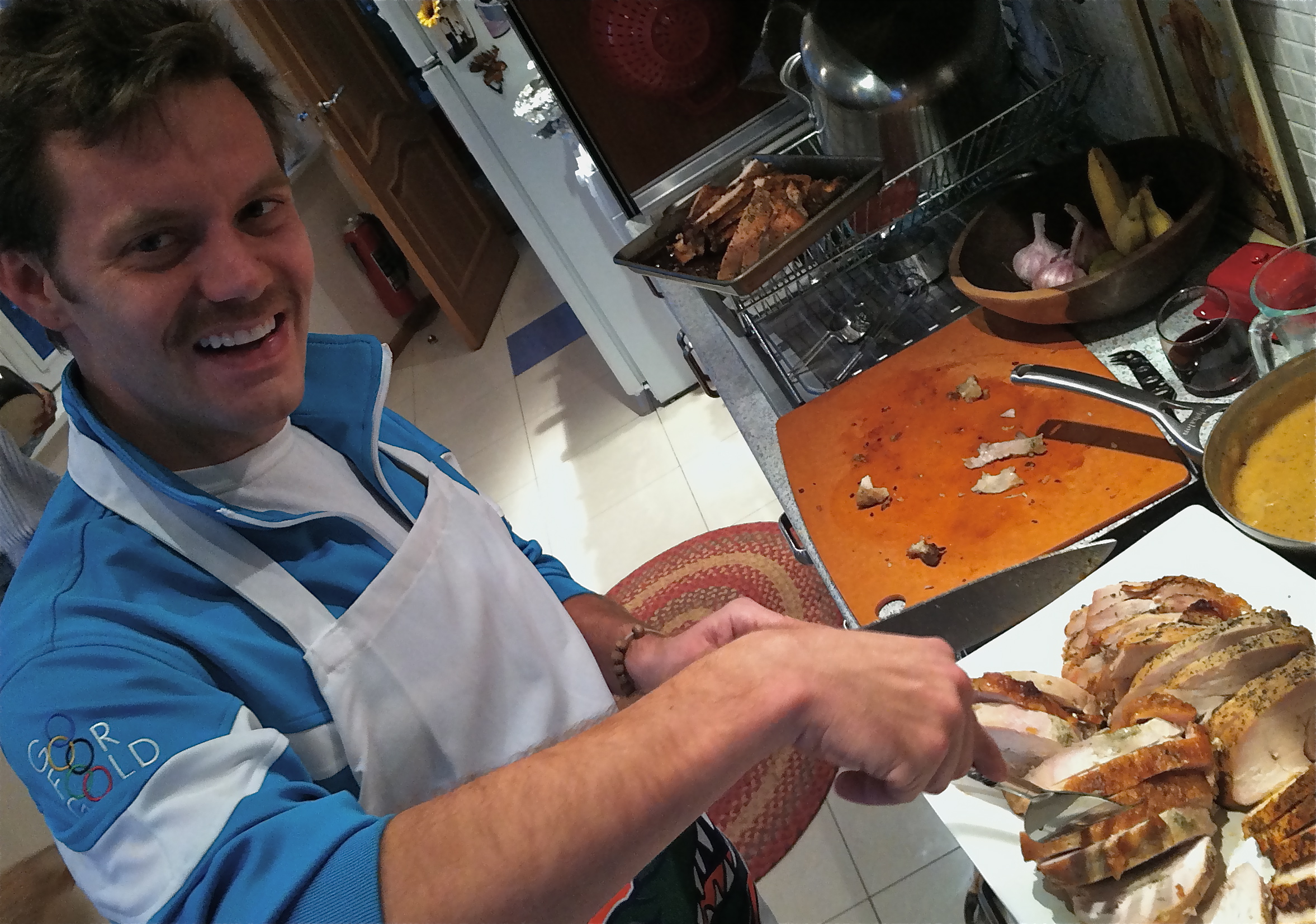
The chef, hard at work. He is thankful for track suits and mustaches.
And now, a catalog of Thanksgiving Day plates:
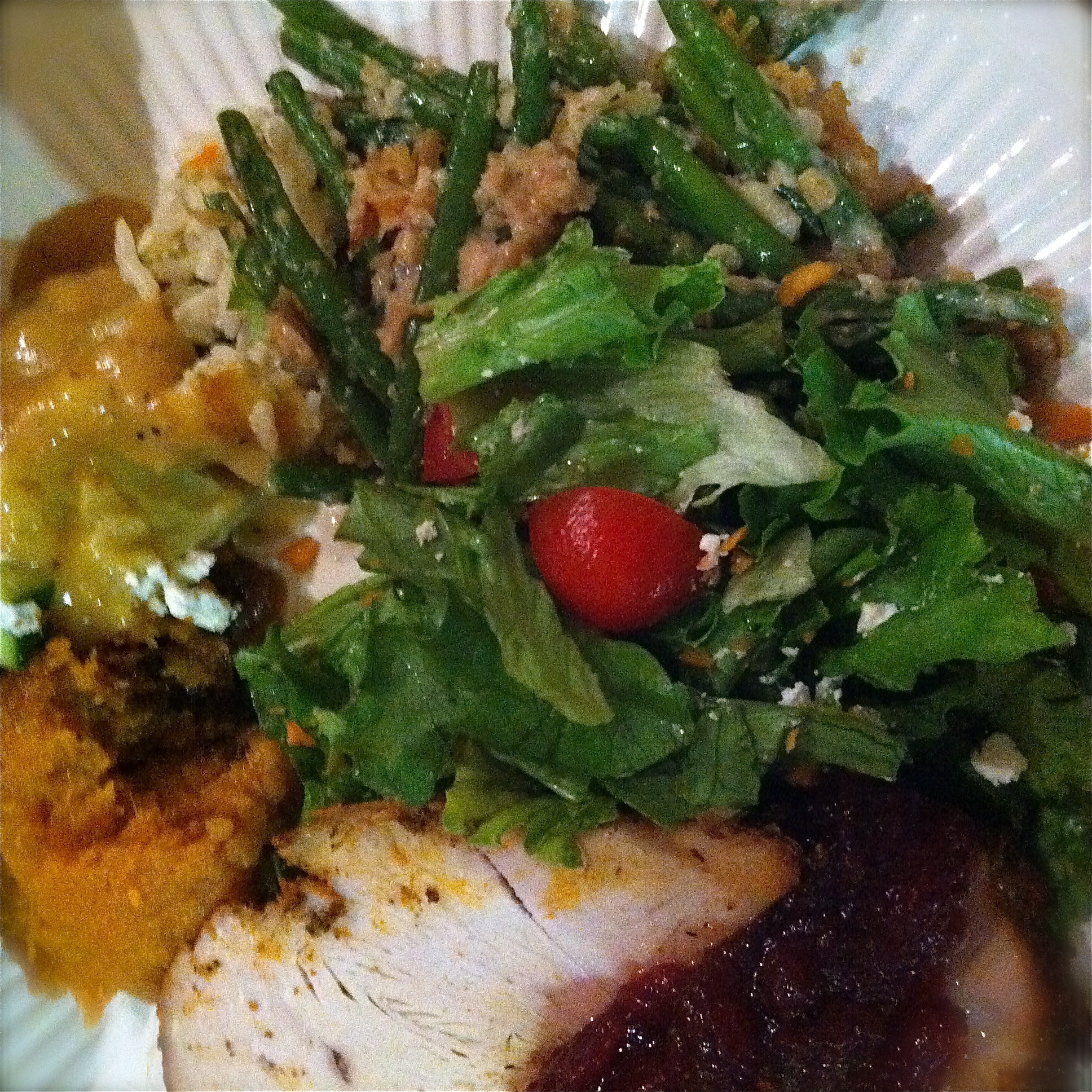
The hostess.
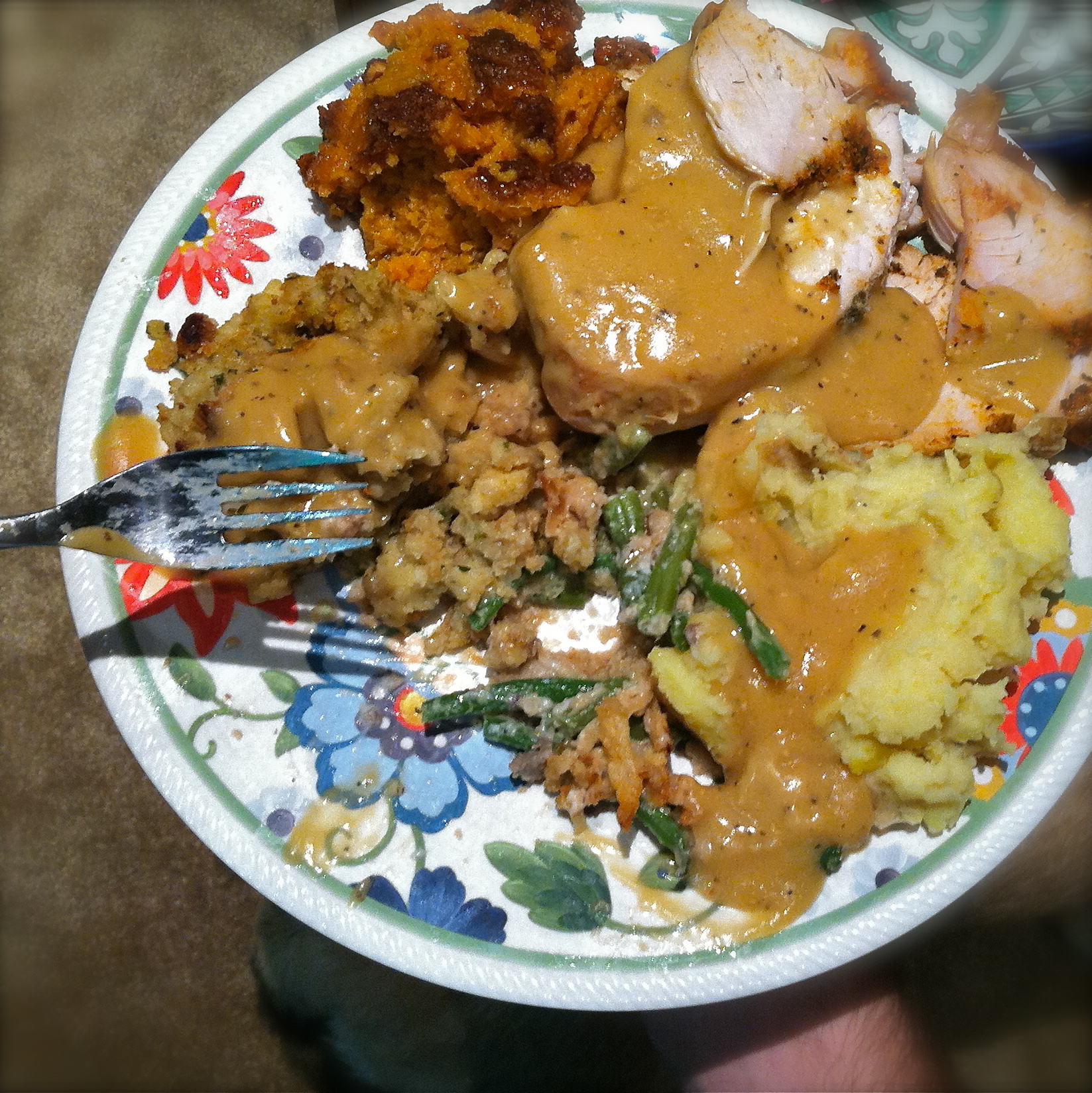
The host.
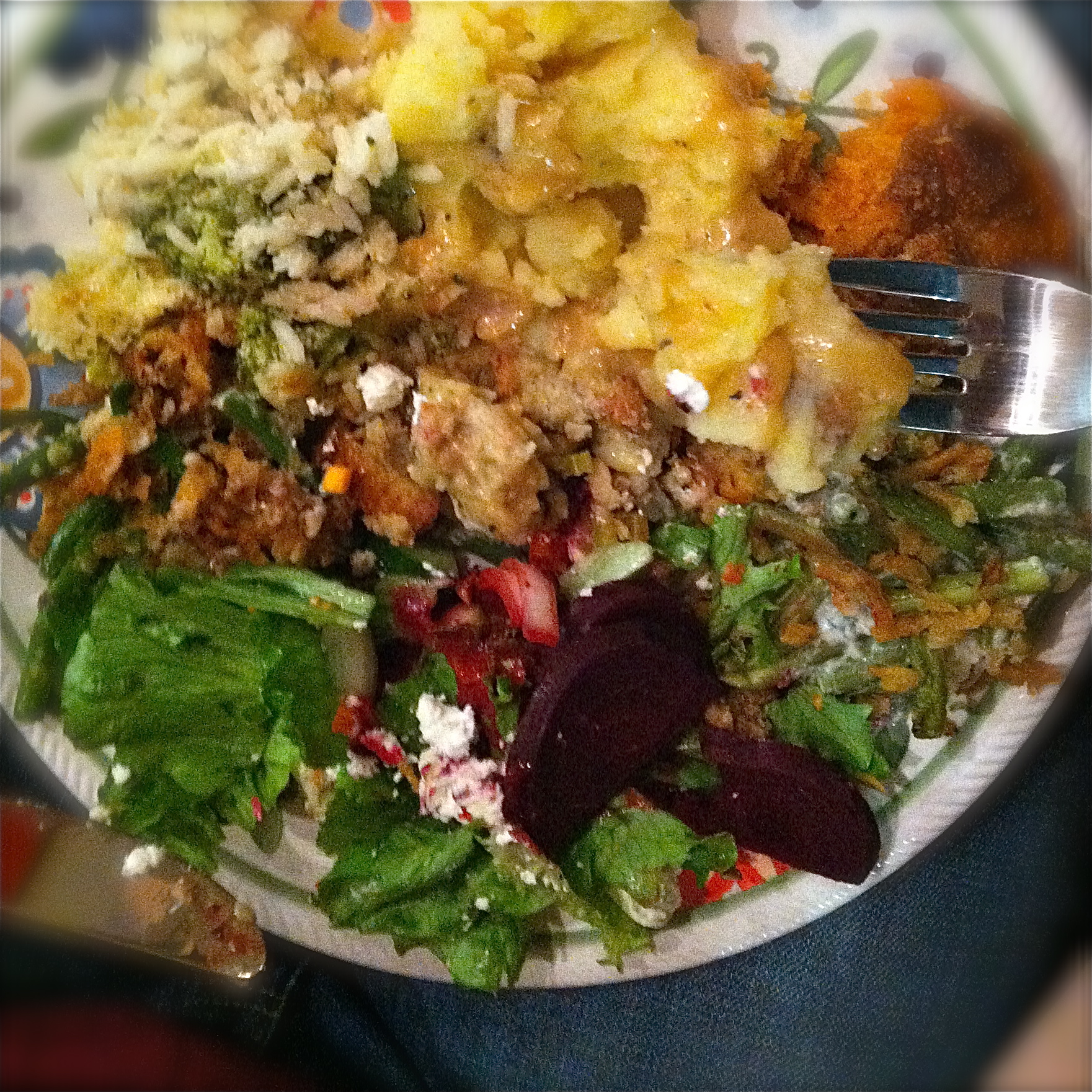
The vegetarian.
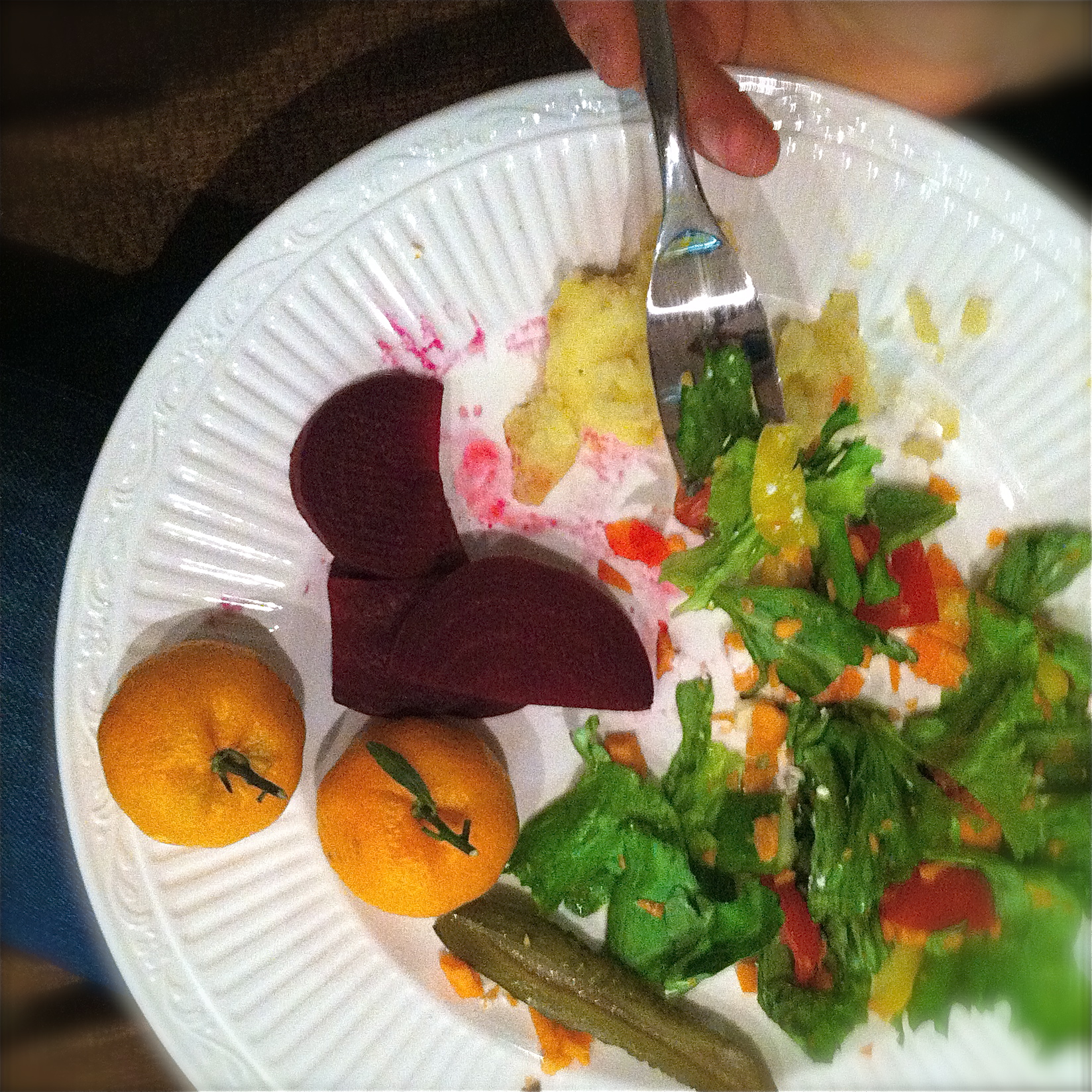
The vegan.
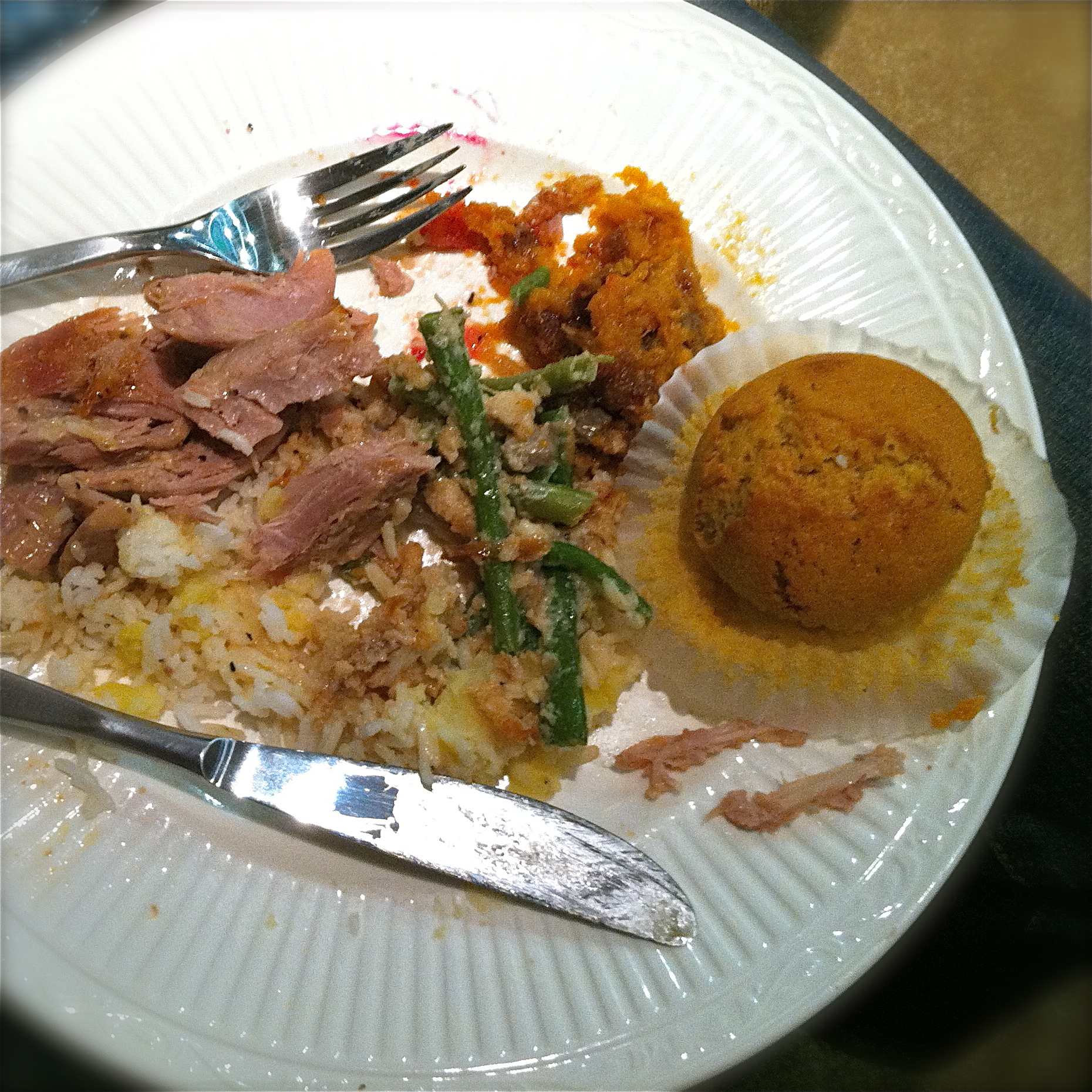
The all-dark-meat.
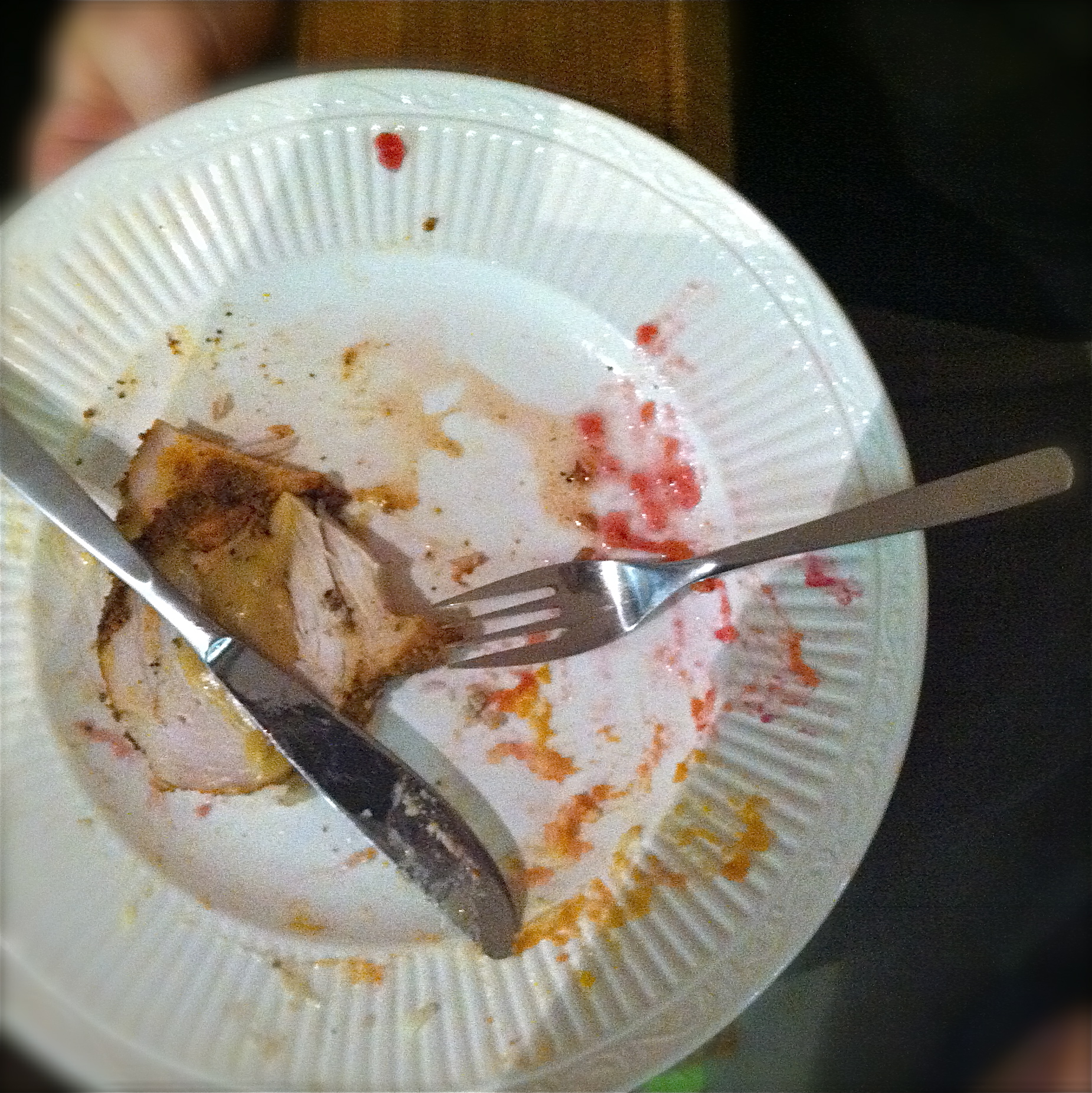
The fireman.
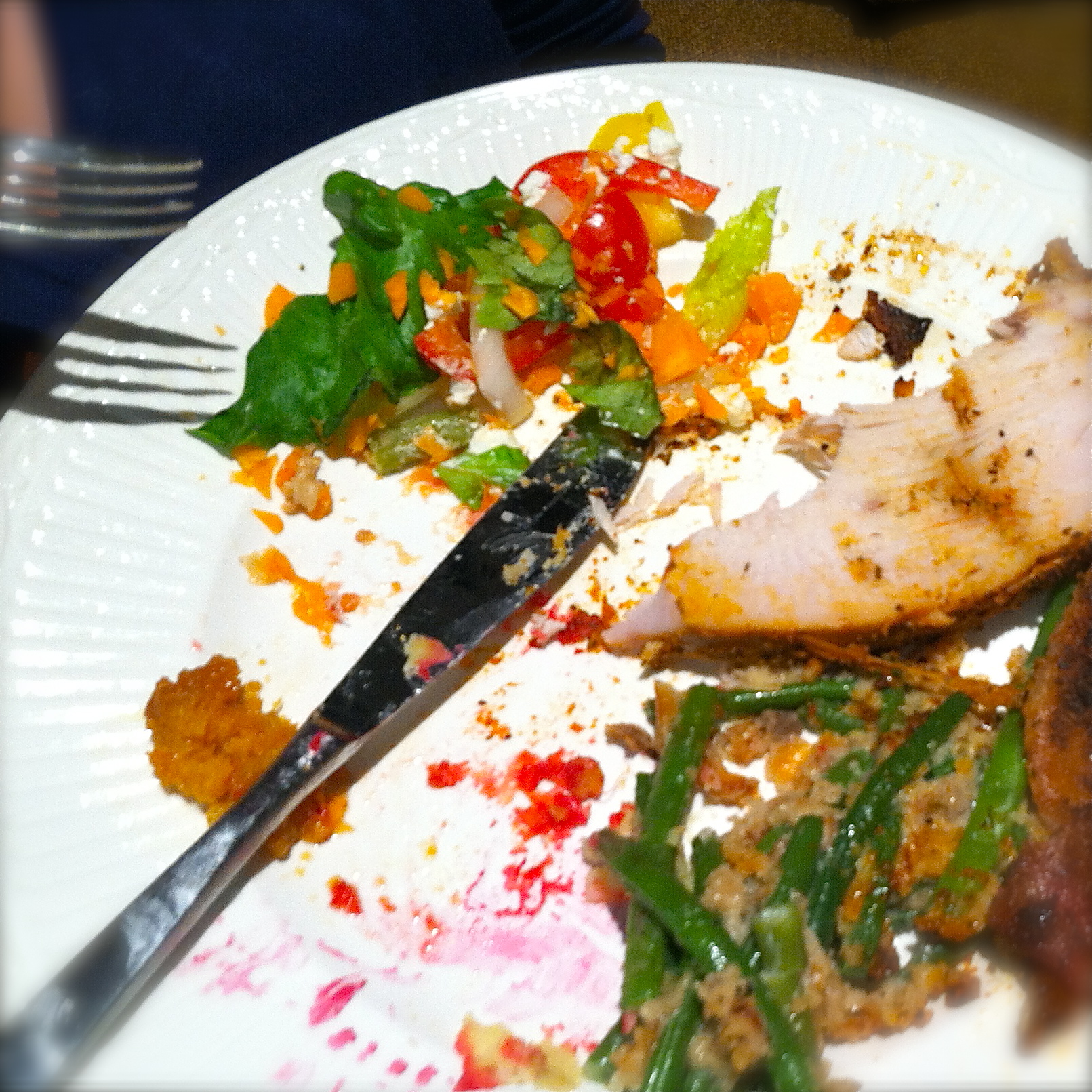
The award for “most colorful.
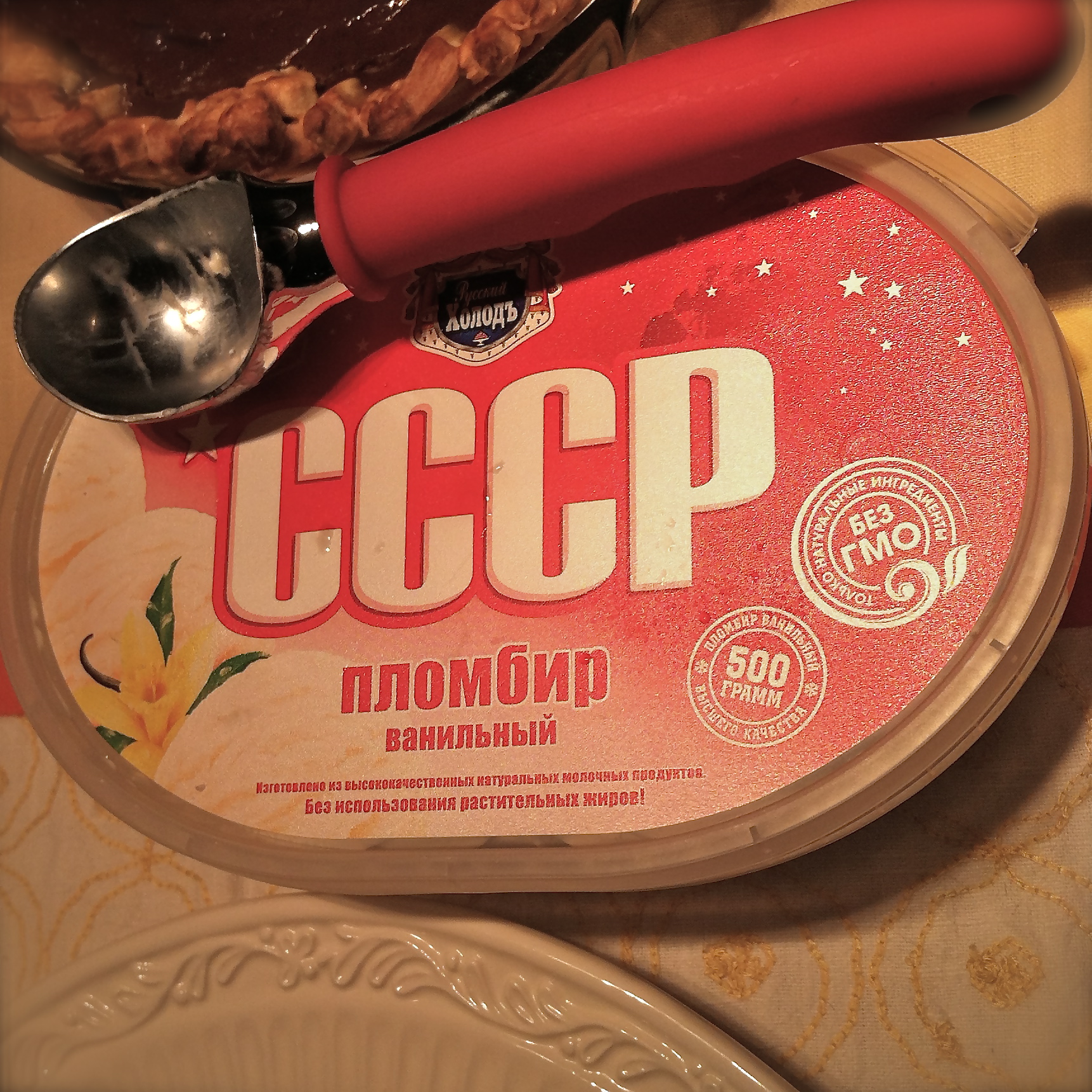
And what’s Thanksgiving without a little Soviet ice cream?
Closing in on six months in Almaty, Kazakhstan means that we’ve nearly fully cleared the culture-shock hurdle. Capturing the bizarre, the delightful, and the shocking for this blog is becoming more difficult because the weirdness of Central Asia has become, well, just part of life. Incredibly (and eerily), Sam and I have carved out a life similar to the one we had in Washington—with a few notable differences.
It’s Saturday. You live in Almaty, Kazakhstan. You:
a.) Take the dog for a walk. You are virtually guaranteed that something memorable will happen.
example #1: Two Kazakh (i.e. Russian-speaking) boys, both about seven years old, come barreling down the canal path towards you. They are jumping and dancing, clearly inspired by the music seeping out of one of their jackets. One is small, with glasses. The other is round-faced, red-cheeked, and virtually stuffed into his clothes. LMFAO’s Sexy and I Know It is playing loudly from his pocket.
example #2: You notice a large plastic bag by the edge of the path. And then, just a few feet away from the bag is the former contents of the bag: animal parts, fur, something smooth and pink and shiny. Your mind does cartwheels trying to identify the animal; trying to put the pieces back together. And then, to your horror, it succeeds: the animal is a dog, its head still fully intact in the pile of parts.
example #3: One of your friends, also an American diplomat, grapples with a shovel-brandishing shepherd after his dog chases the shepherd’s flock. Yes, there is a flock of sheep in the middle of Almaty (maybe more than one). No, neither our friend nor his dog were hurt. But the shepherd got in a few good swings before he was tossed to the ground and relieved of his shovel.
b.) Eat curry. Either Sam’s mouth-watering Balti Butter Chicken or The Shakespeare Pub’s virtually perfect, spicy curry. The owner of this Old’e English establishment hails from Pakistan, and cooks up Chicken Tikka Masala like the best of the Brits.
c.) Make art. Whether in Washington or Almaty, art-making is the same—well, at least until my supplies run out.


Commissioned work, detail

Commissioned work, detail

d.) Go on a hike (that you think will impress your friends). If the scenery doesn’t impress them, then the harsh conditions certainly will. Many hikes around Almaty boast peaks soaring 14,000 feet above sea level, are littered with scree as far as the eye can see, and require technical rock climbing know-how.

e.) Drink. Vodka. We live in Central Asia. No further explanation is necessary.
f.) Dust. On a designated day each October (unknown to any of the residents), the city begins pumping hot water to radiators in all of its buildings—central heating is part of life in the former Soviet Union. While Almaty is purportedly making an effort to switch to gas-powered heating, much of the existing system is powered by burning coal, which in turn is responsible for a significant amount of air pollution—a hazy blanket of brown settles over the city every winter.
Many people living in formerly Soviet cities can’t regulate their central heating: when the radiators get too hot, they open the windows. Not only does this deal a crushing blow to your inner environmentalist, but it also means that a fine layer of black coal soot settles on windowsills and other surfaces inside.
g.) Watch The Wire. Or any other American television show. And forget—one hour at a time—that you no longer live in the U.S. (Thank you, Hola Unblocker.)
h.) Slow-cook a pot roast. But first, you have to buy a giant slab of what you think is beef. It may be horse. Or sheep. You’re pretty sure it’s beef because you bought it from the aisle that has a picture of a cow at one end, but there were definitely several whole sheep hanging behind the woman who sold you the “beef”…
i.) Draw eyebrows on the dog. Alright, so we never did this in DC—but I’m certain we would have if we had had a dog there.

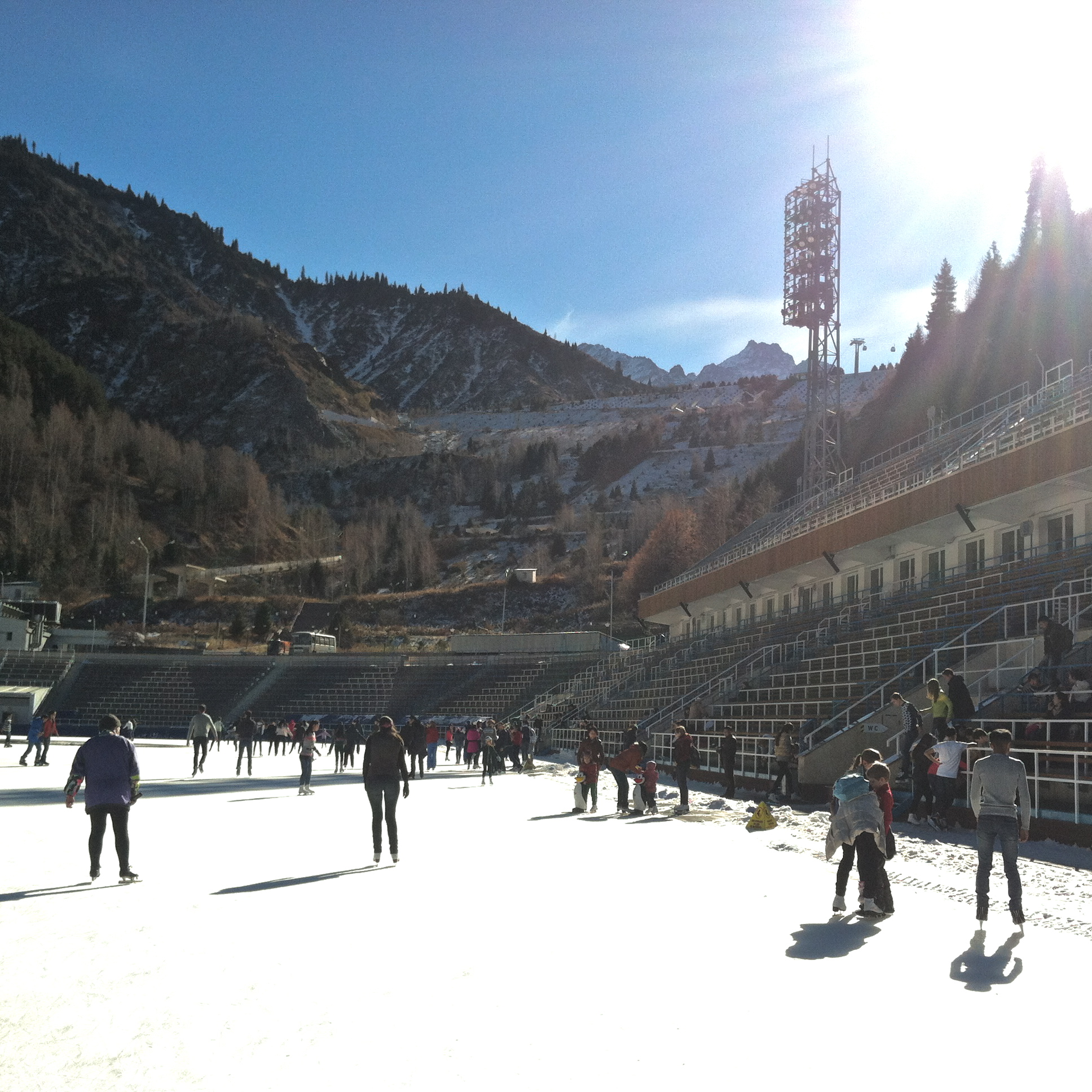
j.) Go ice skating. Медео (pronounced “meh-day-oo”) is an outdoor speed skating and bandy rink. Located in a mountain valley just outside of Almaty, Медео sits 1,691 meters (5,547 feet) above sea level, making it the highest, and probably most picturesque, skating rink in the world.
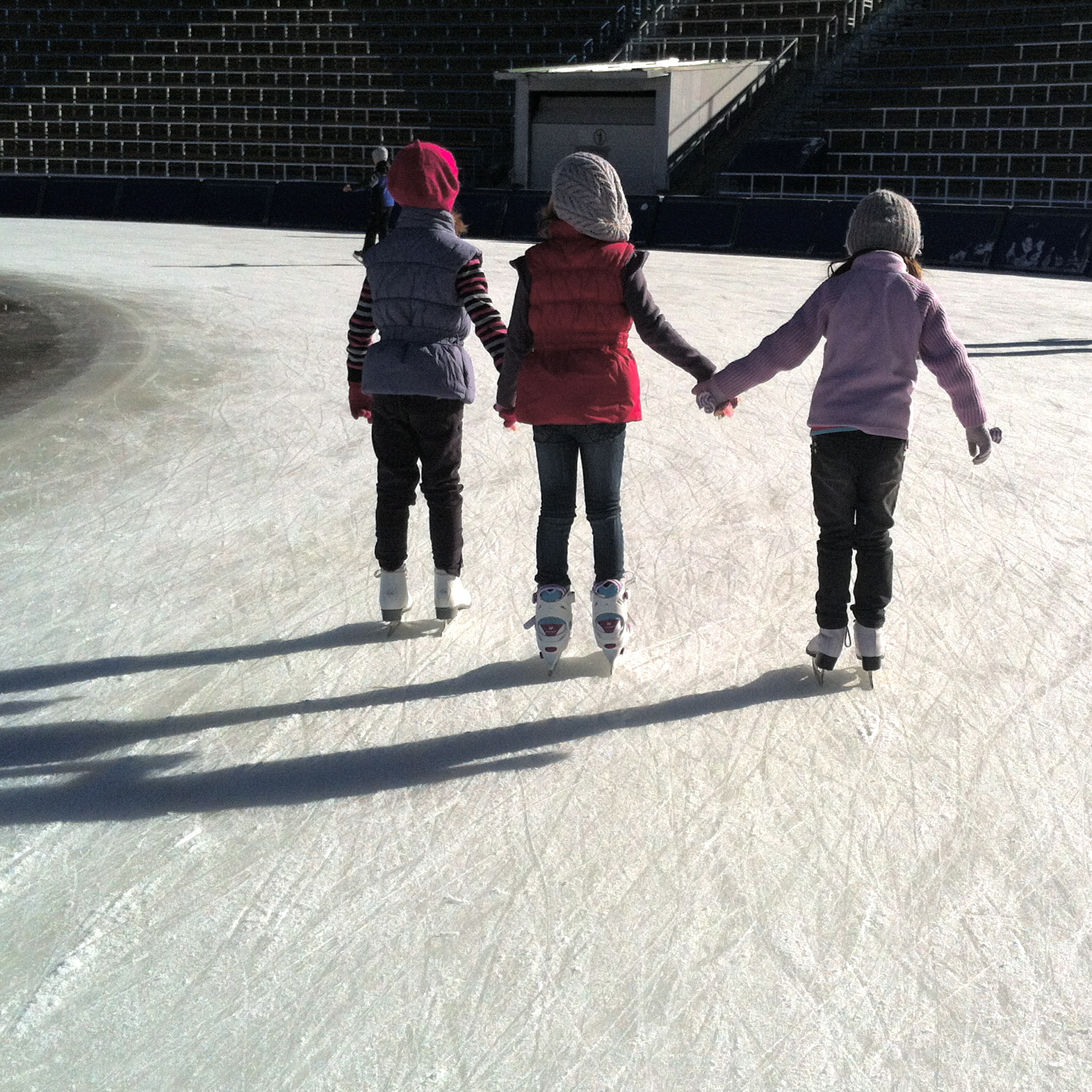
Three miniature skaters.
k.) Plan Thanksgiving. Is it appropriate as Thanksgiving Day hosts to serve turkey pieces rather than a whole, intact turkey? Is $26 per kilo of turkey too much? Is $12 for four sweet potatoes too spendy? While we may not know the answer to these questions, we definitely know that a “business casual” Thanksgiving is not our style.
l.) Call your mother. Or skype with your mother, to be more exact. Sam and I spend approximately six hours each week talking to friends and family back home.
m.) All of the above.
There are spider webs in the frosting on our zucchini-apple muffins. Jem’s neon-pink hair is wound around a dining room table leg. There are mangled red feathers in the bathroom. The dog eats every plastic insect she can find (and then vomits them up). An ice ax was left at our house. We are still doing dishes…
I. LOVE. HALLOWEEN. It is simultaneously scary and safe. It lets you be something you’re not. It’s bizarre, it’s messy, it demands—by far—more creativity than any other American holiday, and Sam and I have officially claimed it for this and every year we live in Almaty, Kazakhstan. Our Spooky Spectacular was a spectacular success.
As with any successful party, you need a combination of tasty food, (plenty of) drinks, music, and the right people. Throw in a costume contest with a tie-breaking dance-off, and you have an unforgettable fete. Our punk/metal mix was hijacked about half-way through the party, inspired by the dance-campaigning of our costumed front-runners: Jem, Guns n’ Roses, Colonel Sanders & his Chicken. The dance party lasted until 1:30 a.m.
What we learned:
First, hosting a Halloween party in a country that doesn’t celebrate Halloween requires a great deal of planning, money, and hard work. Our invitation went out more than a month in advance to give people time to 1.) order and receive Halloween costumes via the diplomatic pouch—and everyone definitely rose to the challenge—and 2.) find a babysitter.
Second, when you’re in your thirties, you cannot eat as much Halloween candy as you used to. Forget the calories, kids, I’m talking about the sugar headache: three fun-size Milky Ways and a handful of caramel corn nearly killed me.
Third, that cotton-y spider web stuff is the best Halloween decoration. Despite the fact that it will be in our hair and in everything we eat for the next week.
Fourth, just because people go home at 1:30 a.m. doesn’t make your party lame. Legendary is possible even if the babysitter has a curfew.
In conclusion, Sam and I are pleased to have claimed the annual Halloween party as our own. But, we were even more pleased to give folks a chance to cut loose. Our photos tell the rest of the story—enjoy!
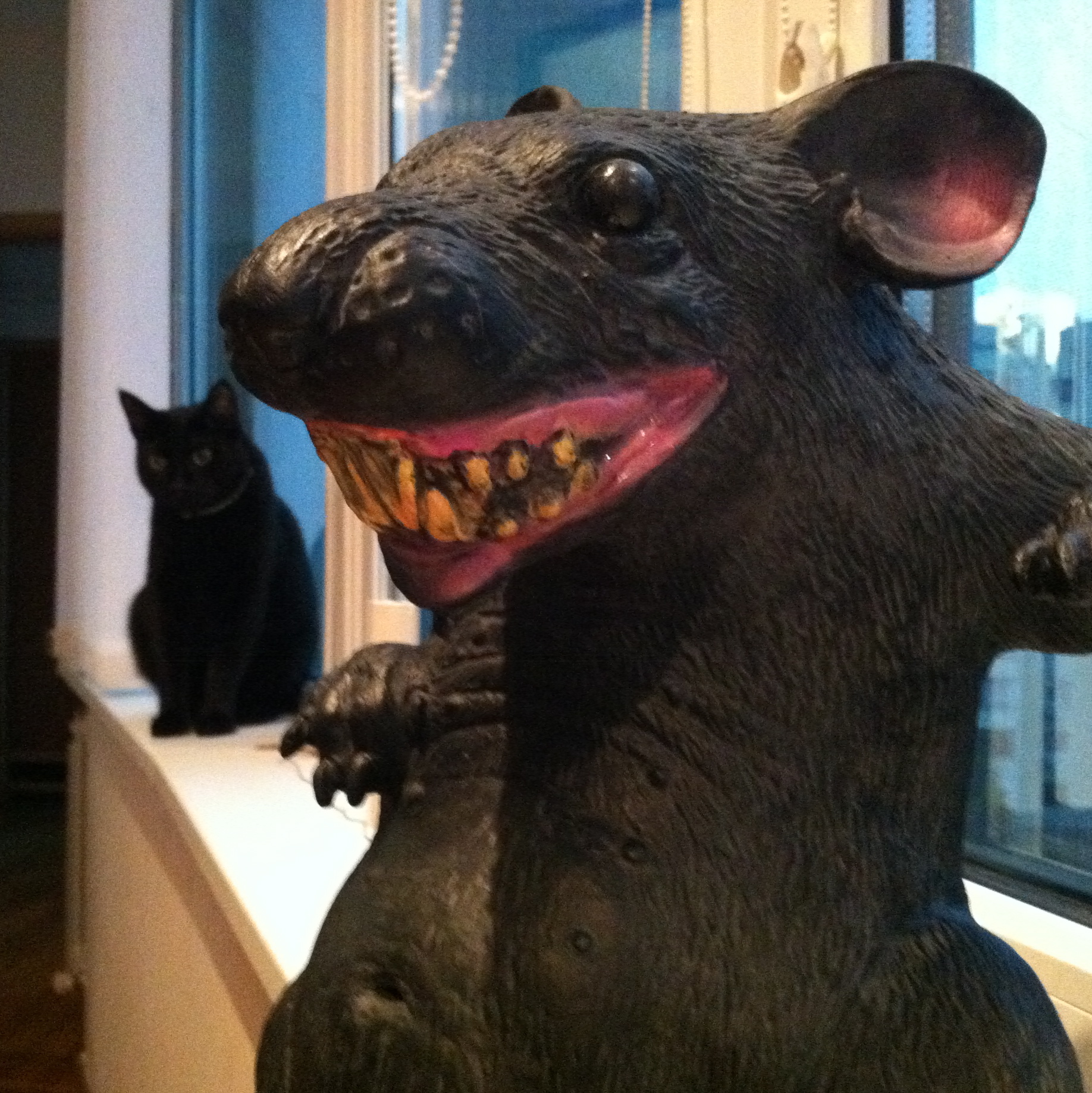
Hank & the R.O.U.S.
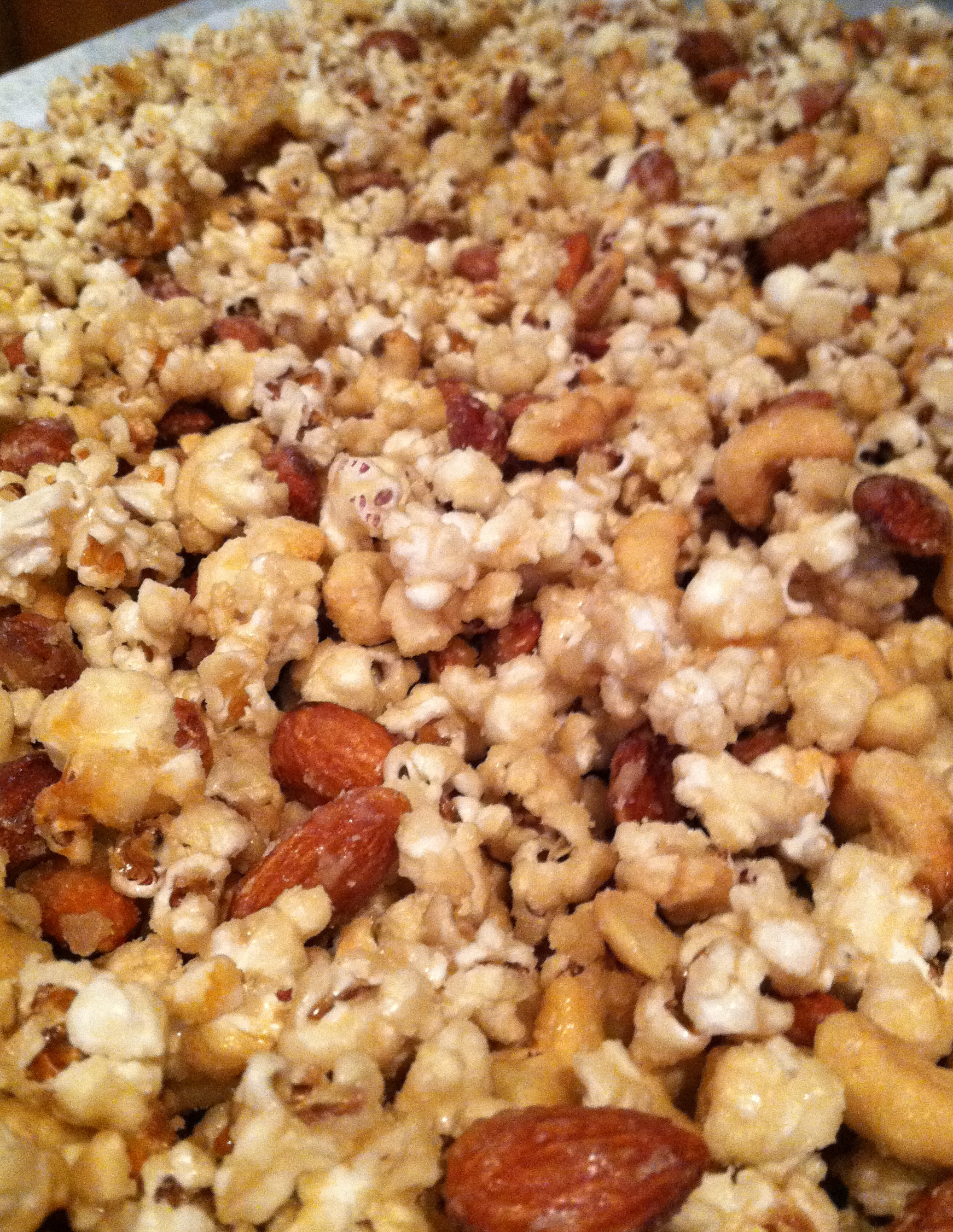
Homemade caramel corn.
Sam samples the cheese ball mix.
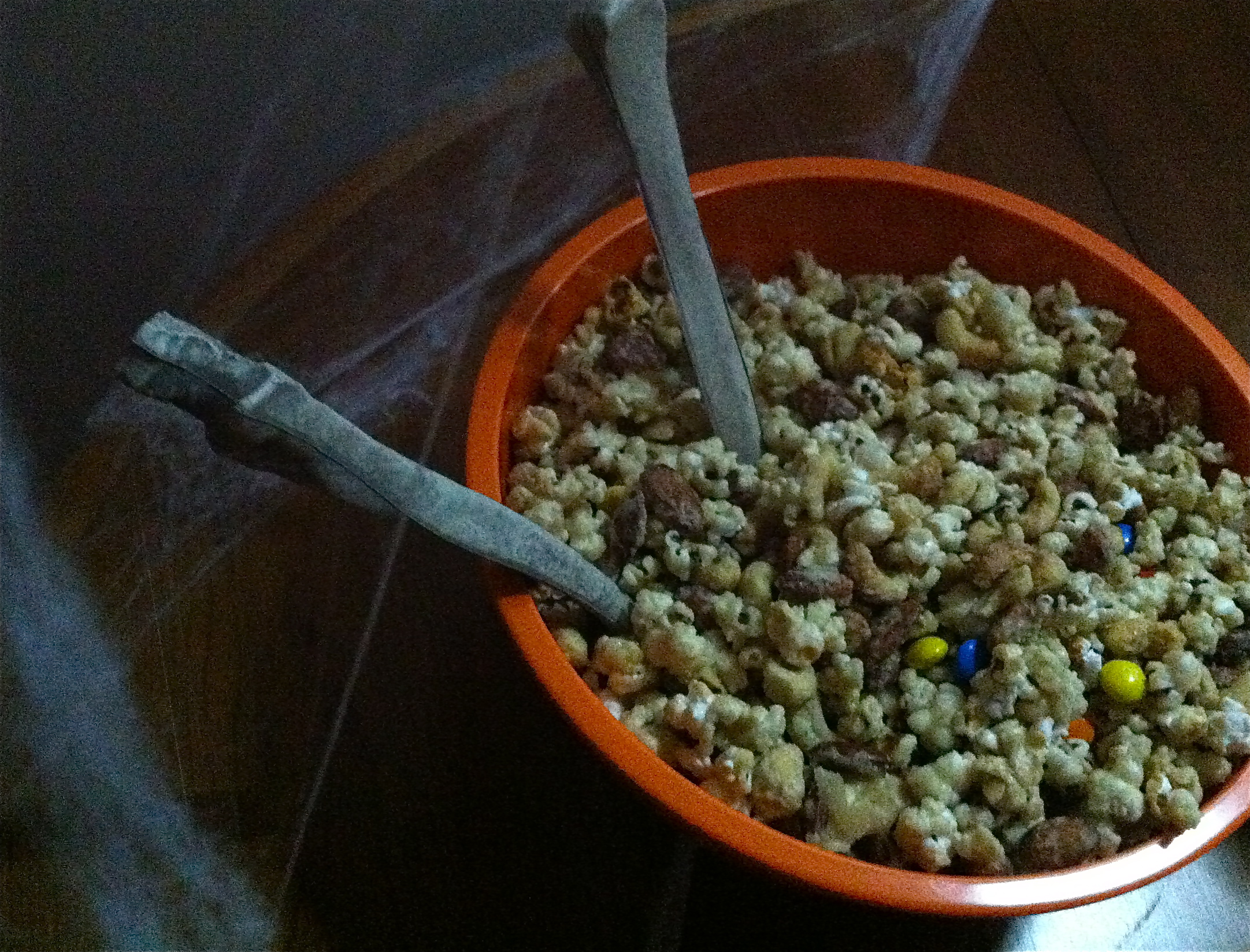
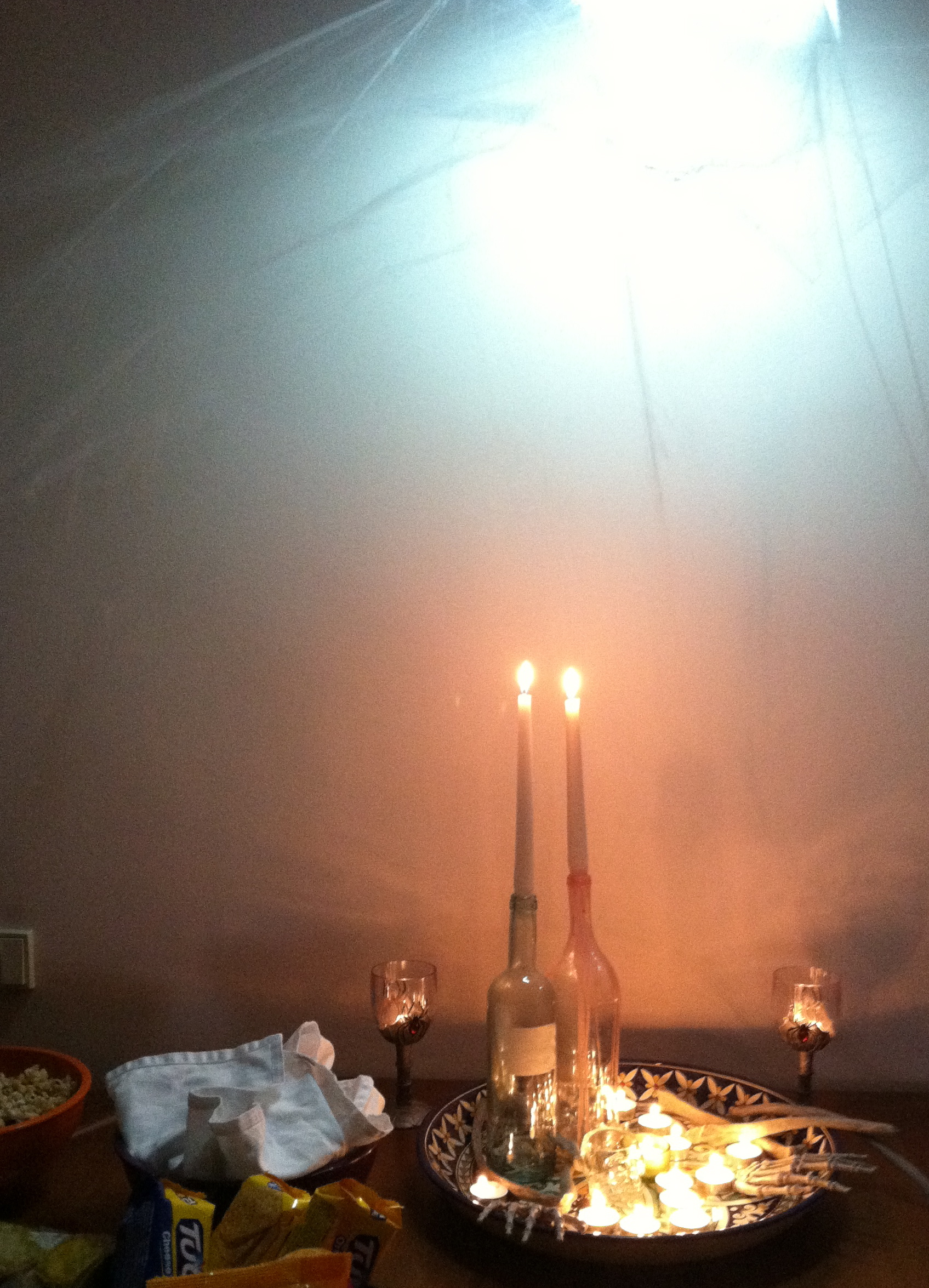
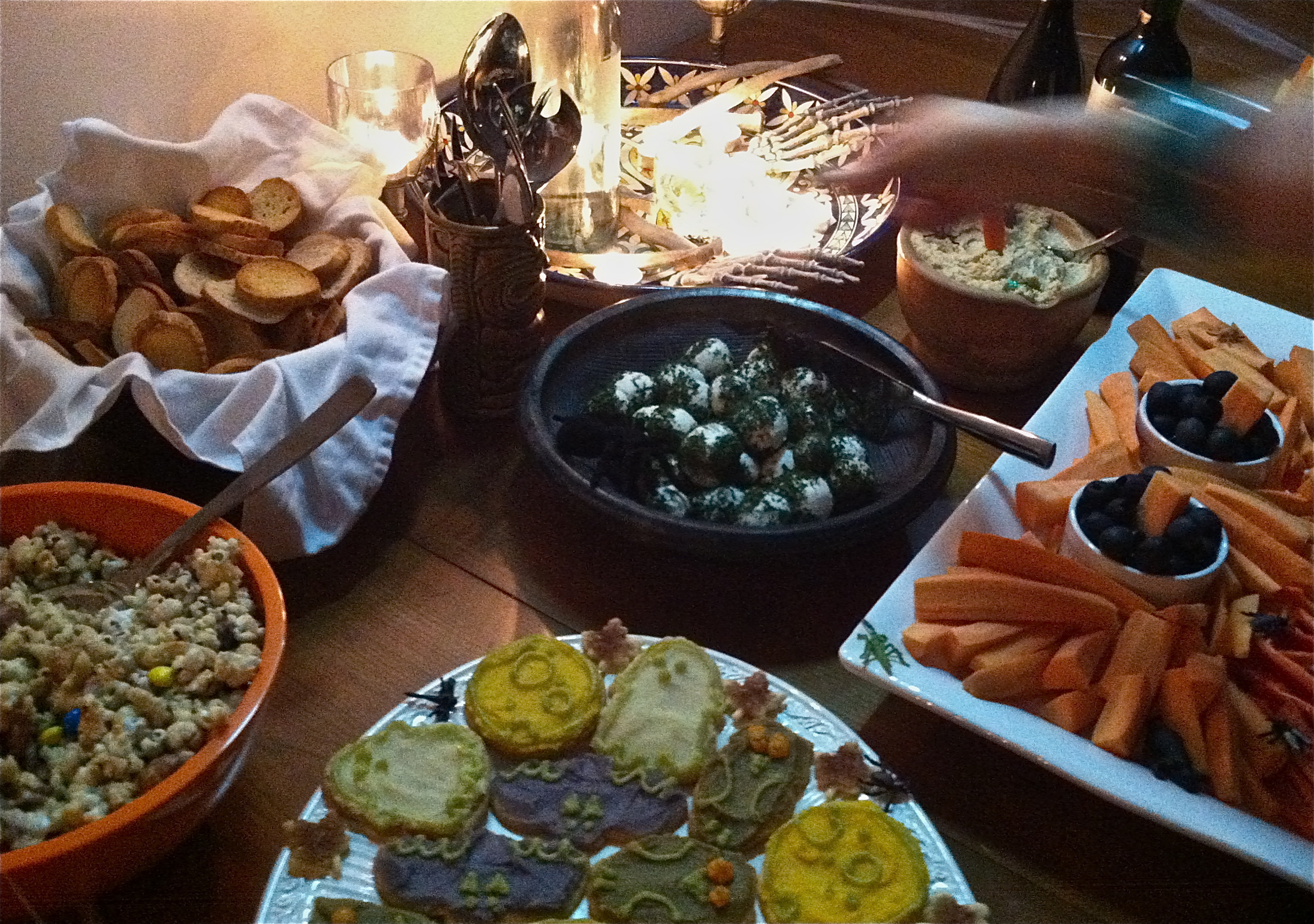
The spread.
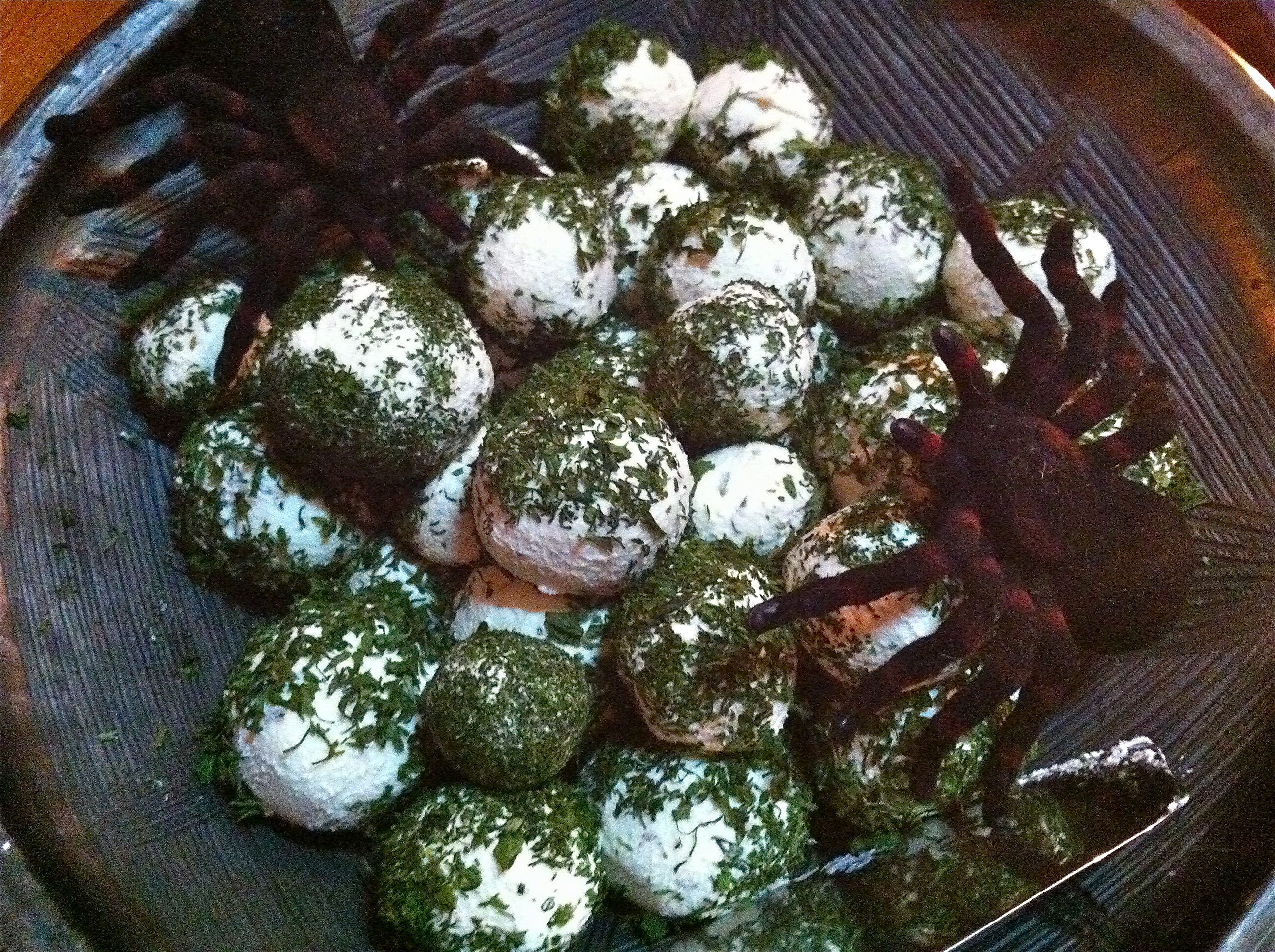
Spider eggs. (Actually, cheese balls rolled in herbs.)
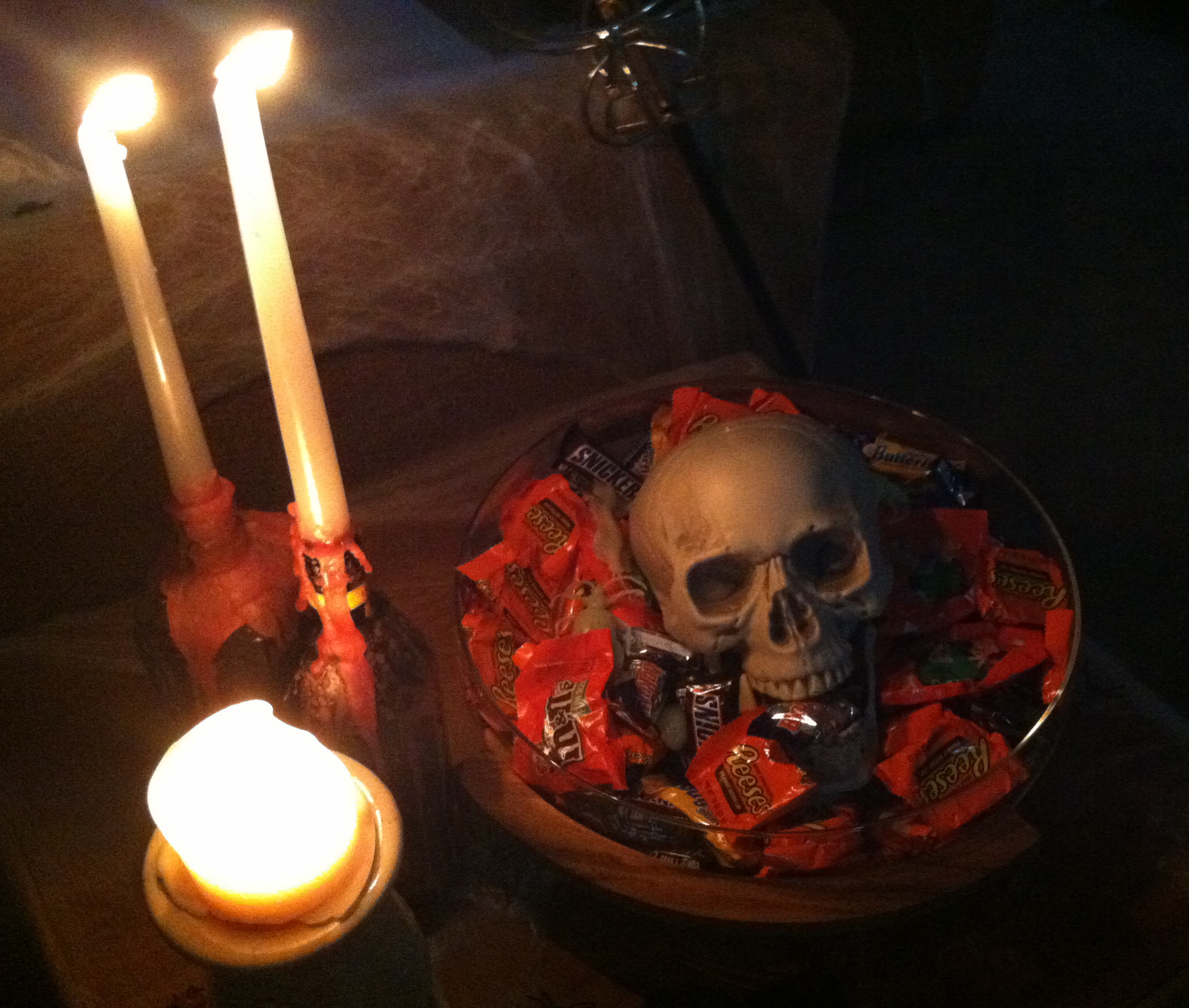
Beware the candy dish!
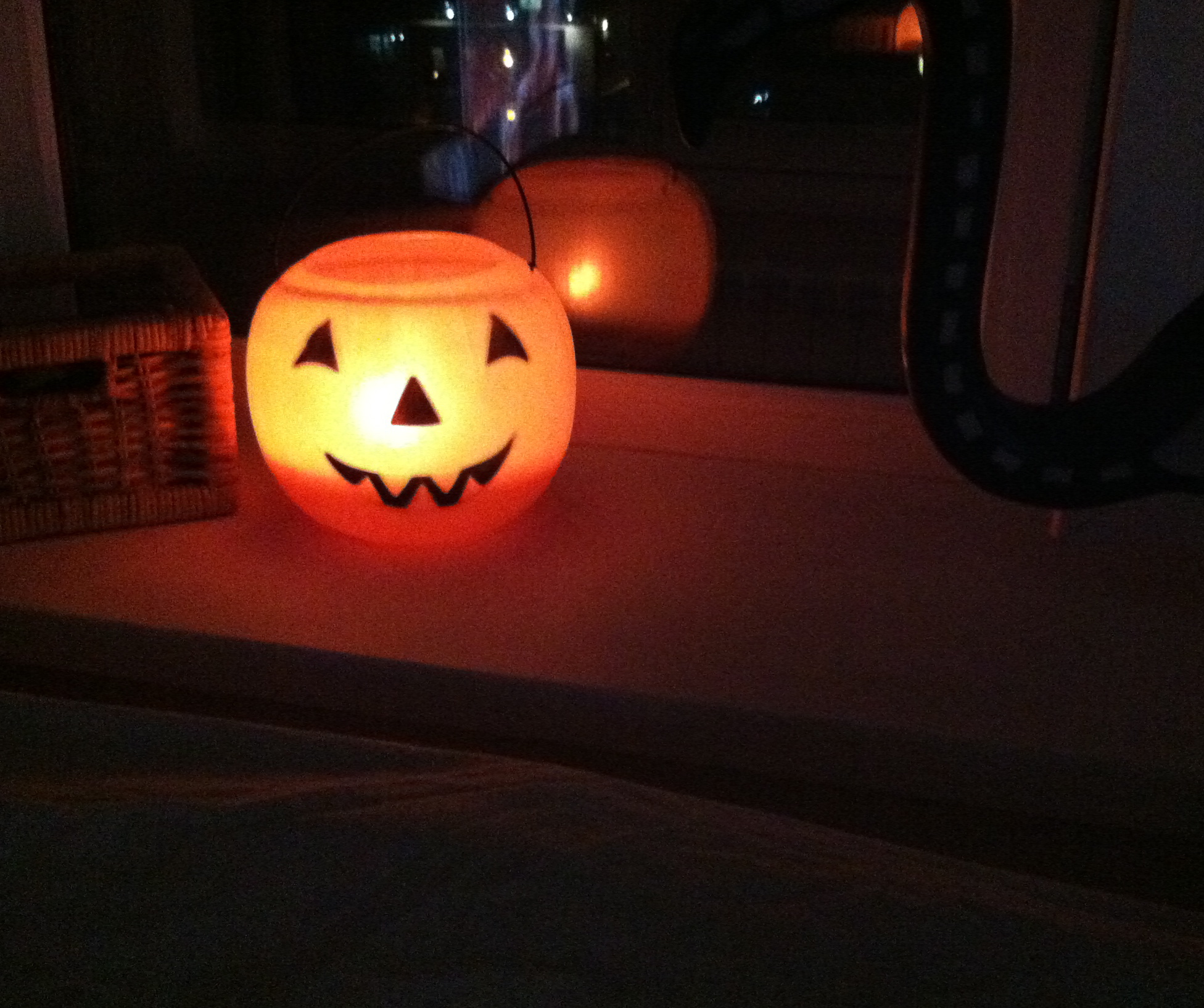
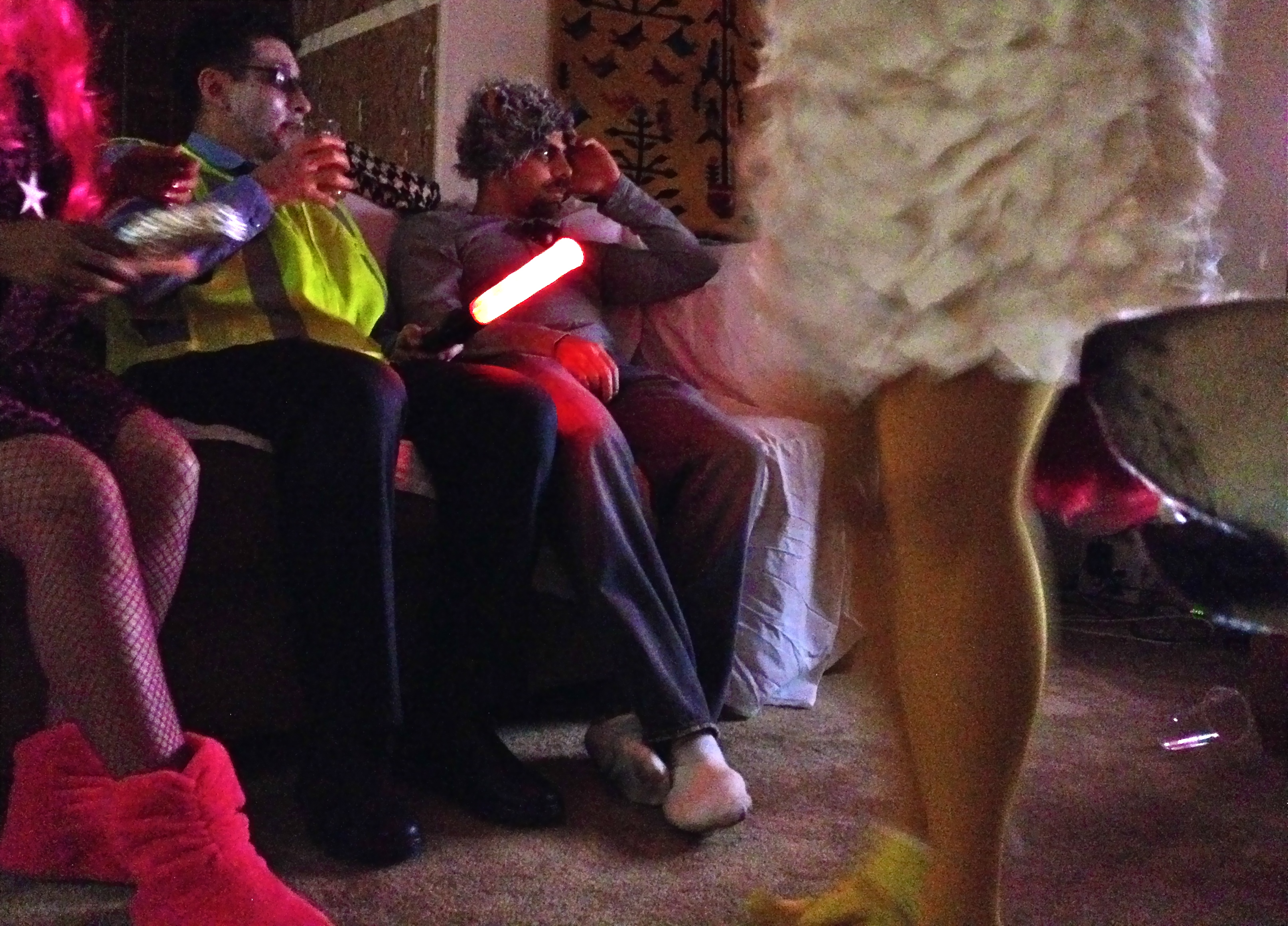
Dance party. Jem. Пожалуйста-stick. The Big Bad Wolf. Chicken. Mishka looks on.
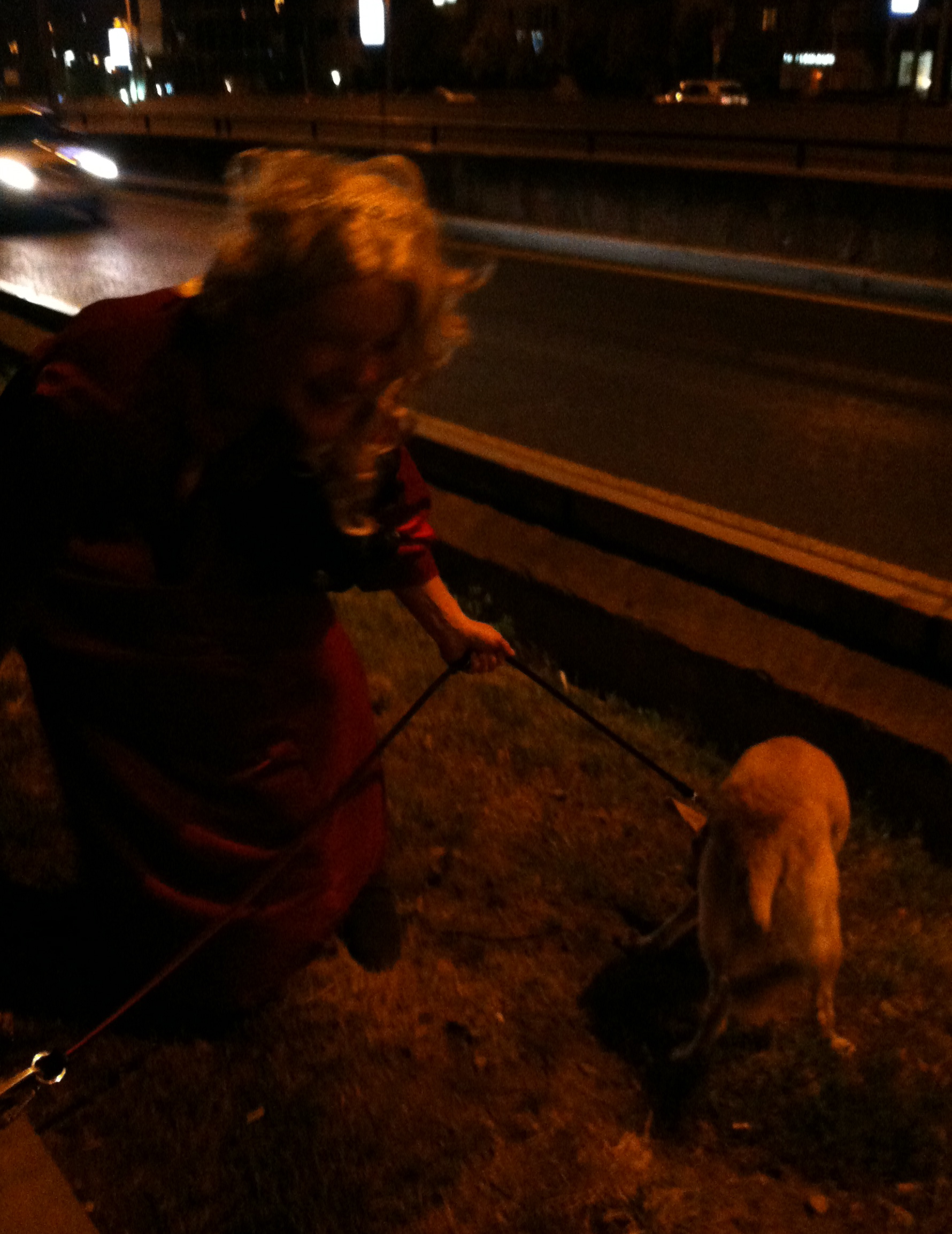
Princess Buttercup takes the dog out for a pee.
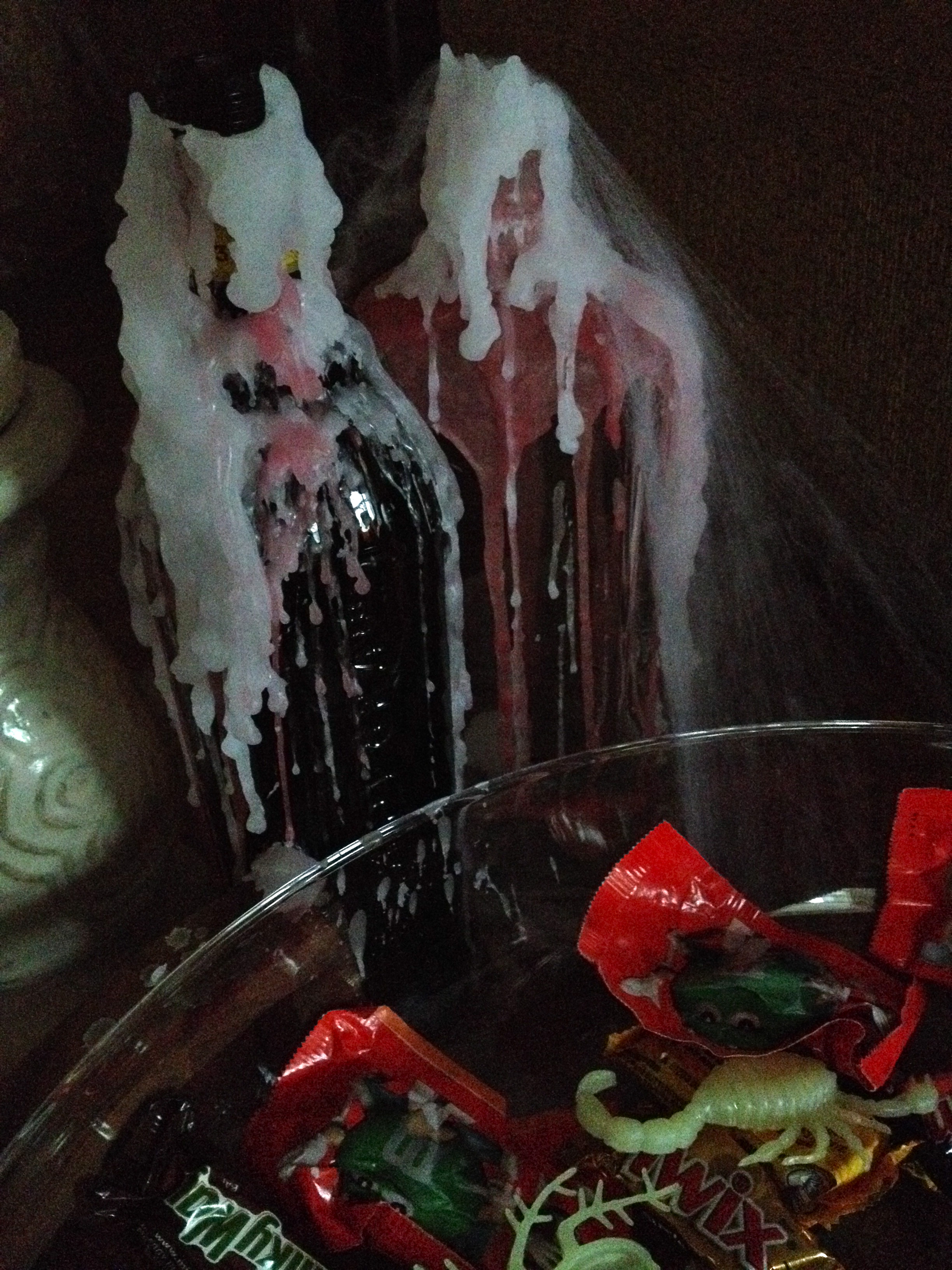
The morning after: amazing wax.
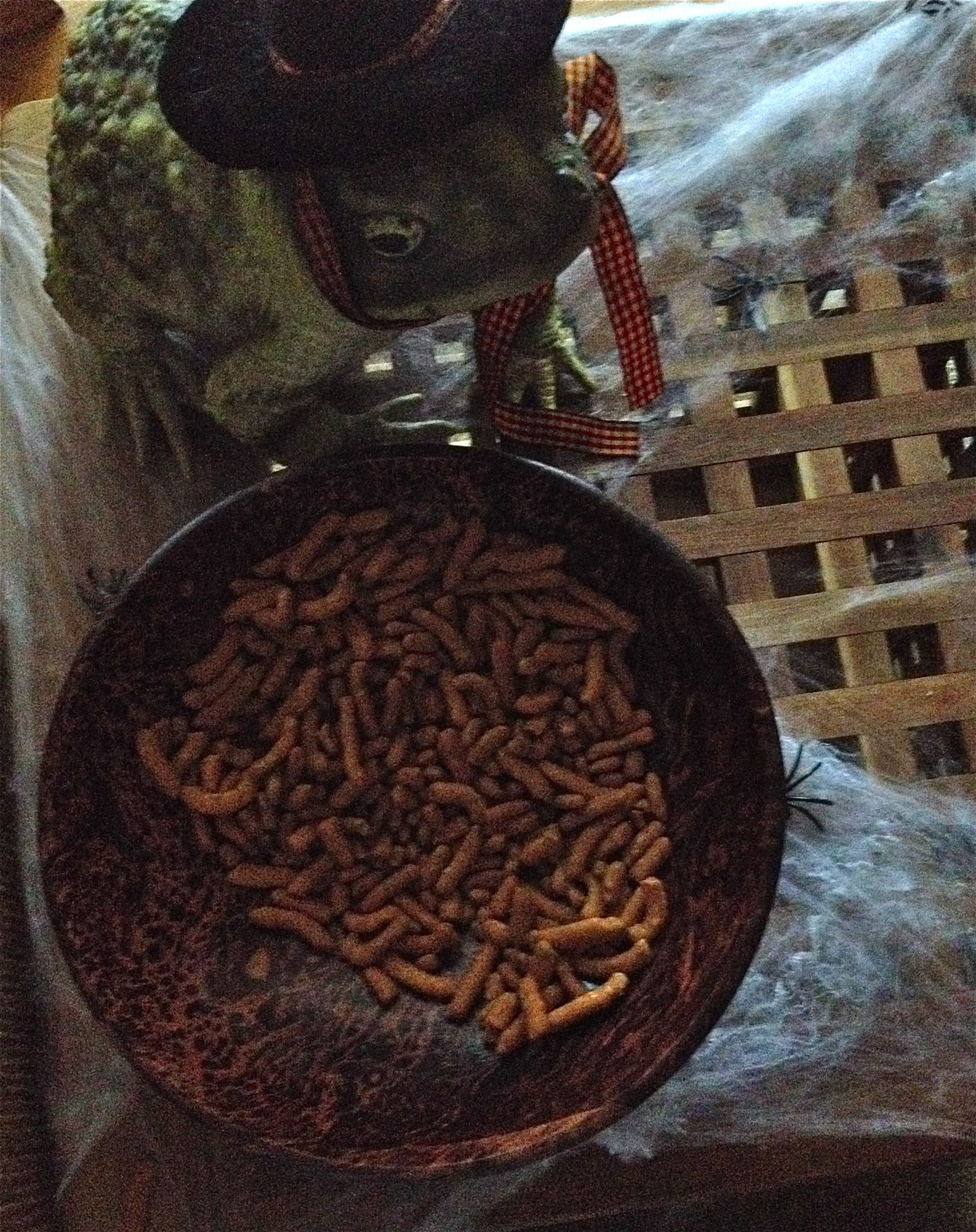
The morning after: toad.
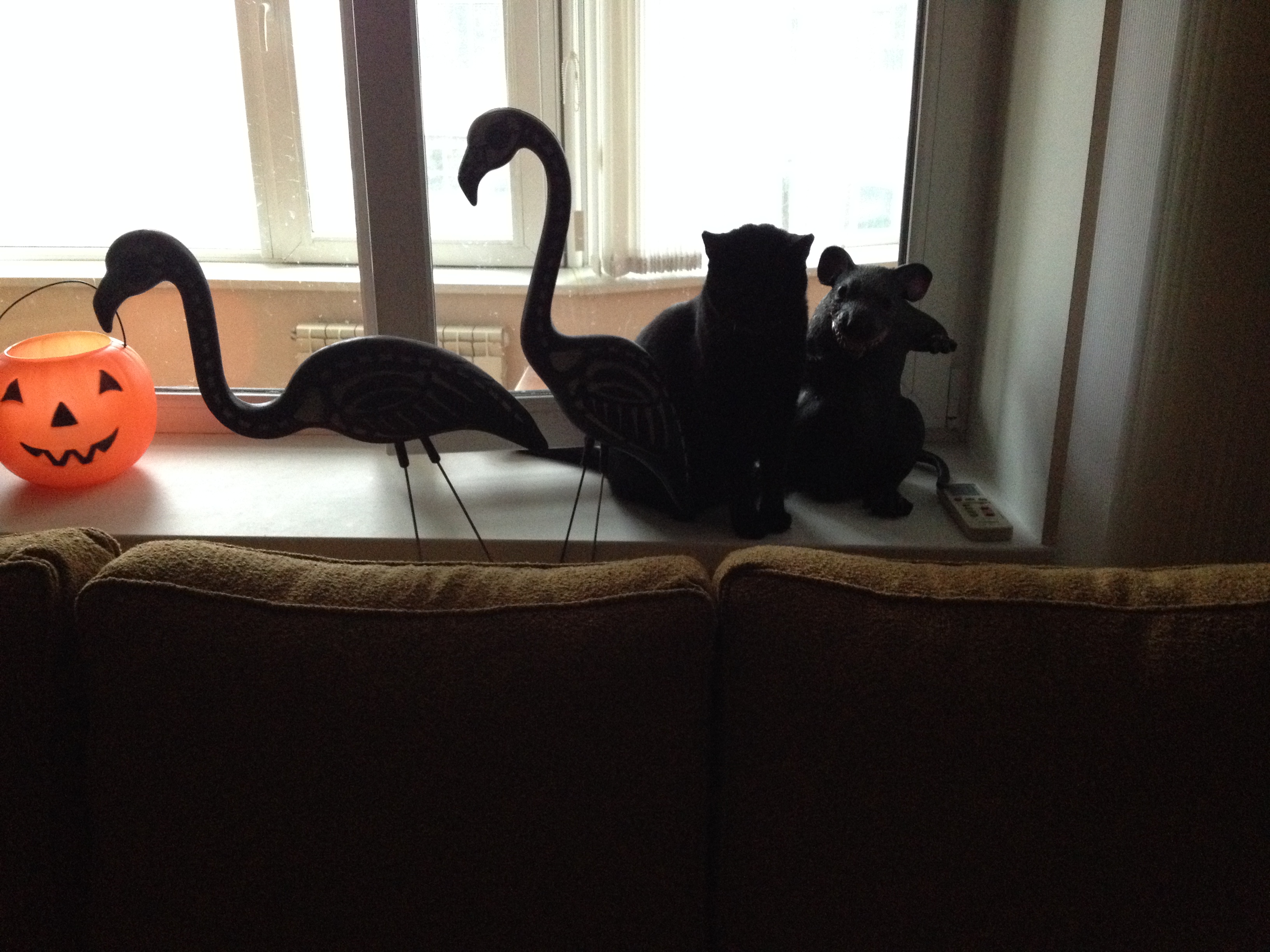
The morning after: Hank disguised as a Halloween decoration.
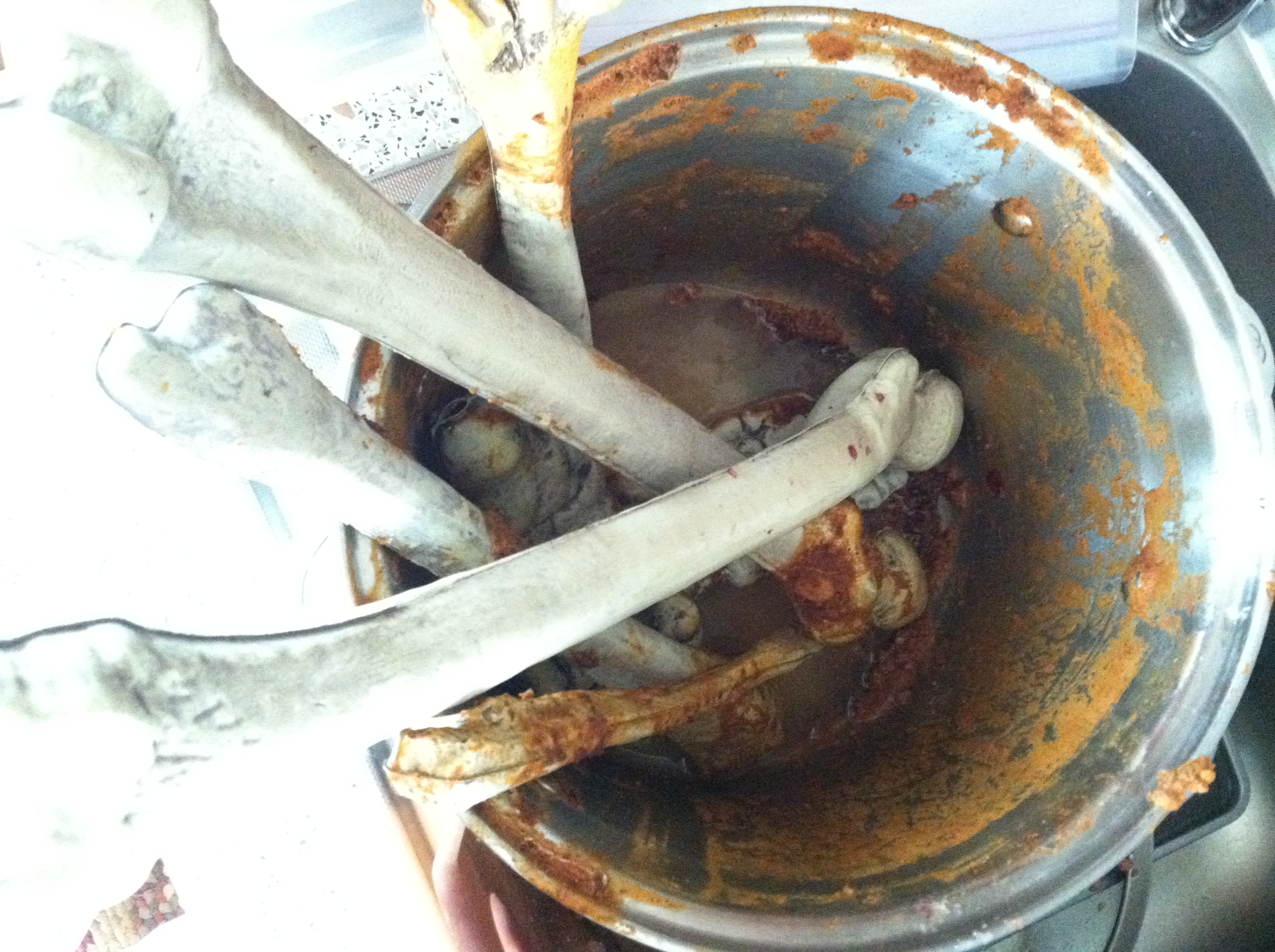
The morning after: chili massacre.
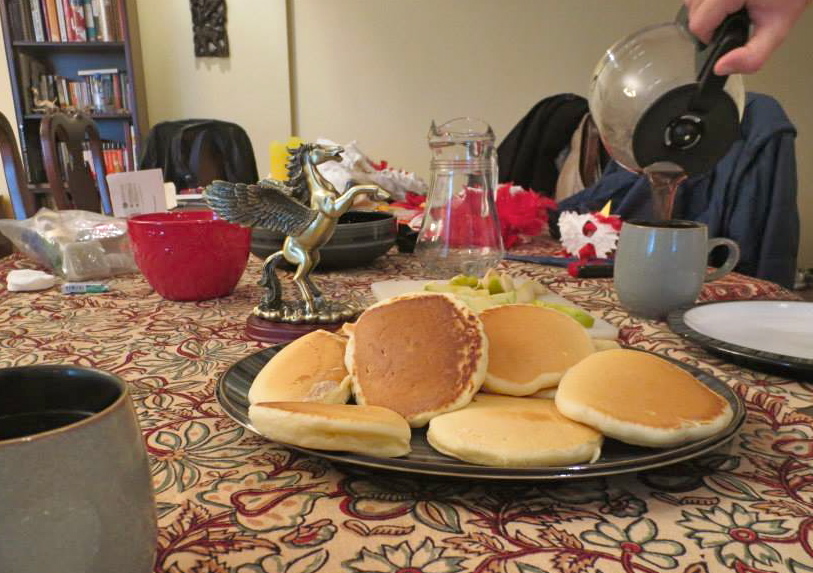
Our costume contest winners celebrate with a pancake breakfast. Their pegasus trophy joins them.
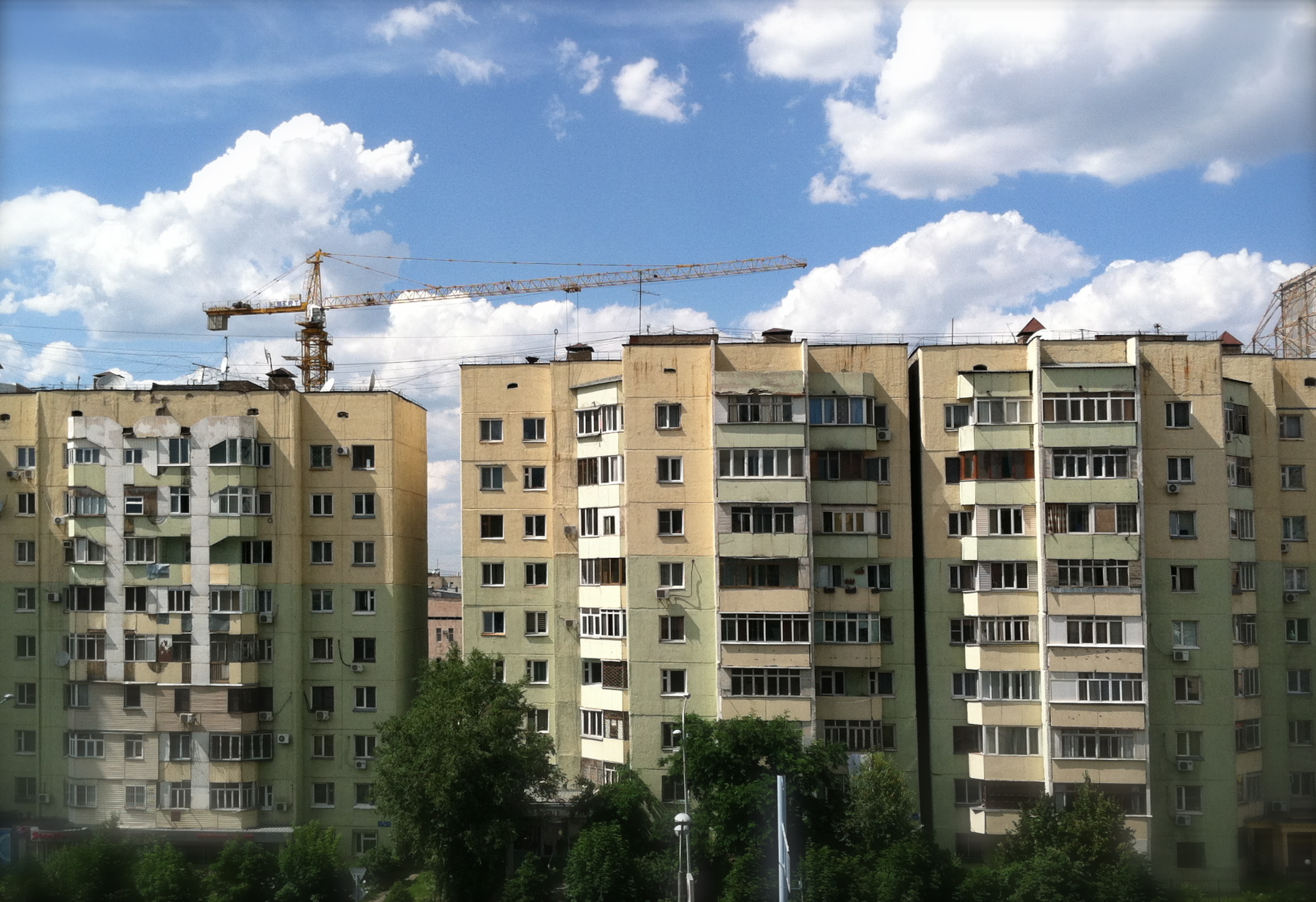
Today marks five months that Sam and I have been living in Almaty, Kazakhstan. The following is a collection of photos that haven’t yet made their way onto the pages of my blog, but are seriously worth sharing. Thanks, Kazakhstan, for the wonderful, unexpected, and (sometimes) unexplainable ride.
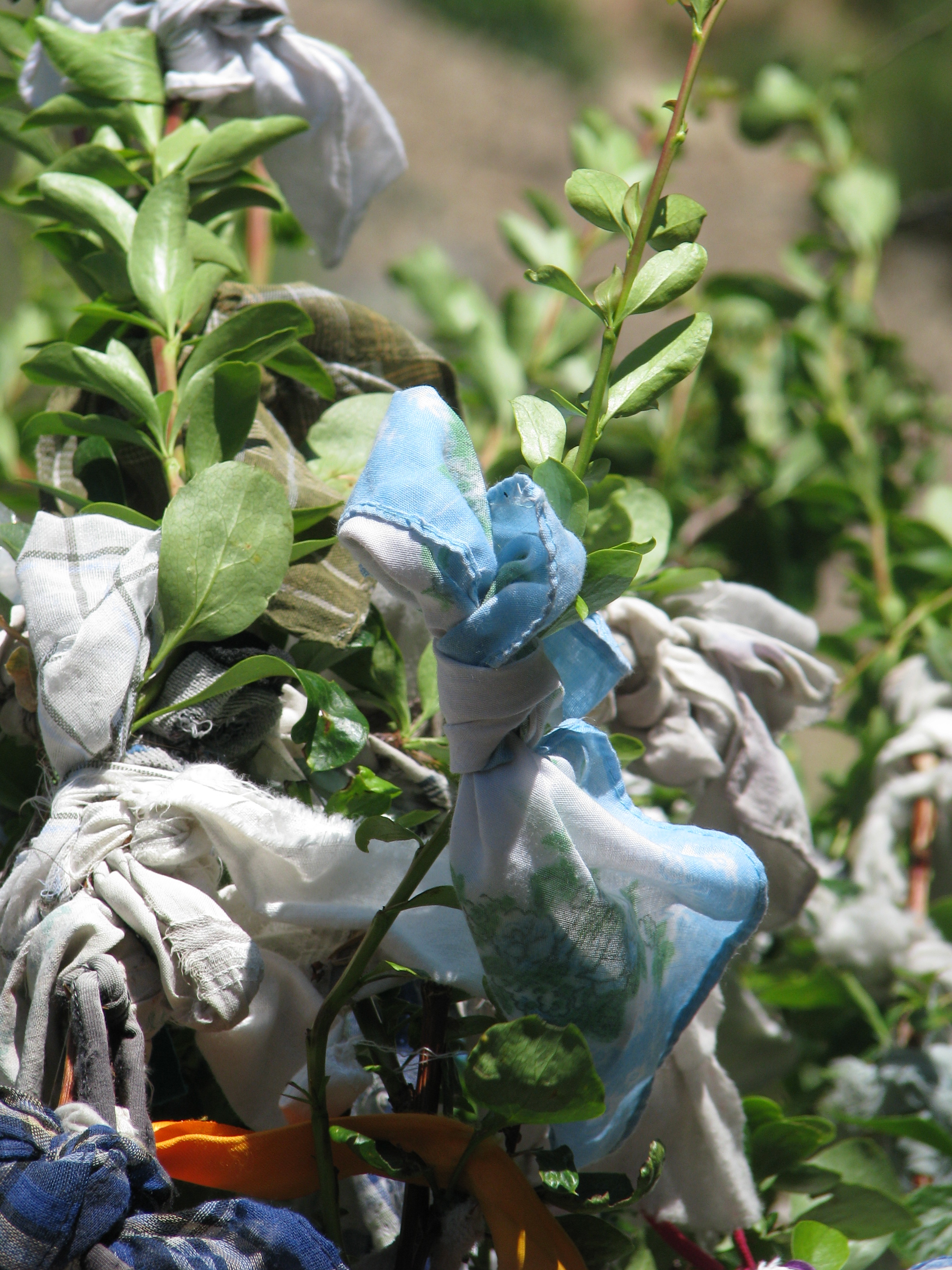
Prayer tree.
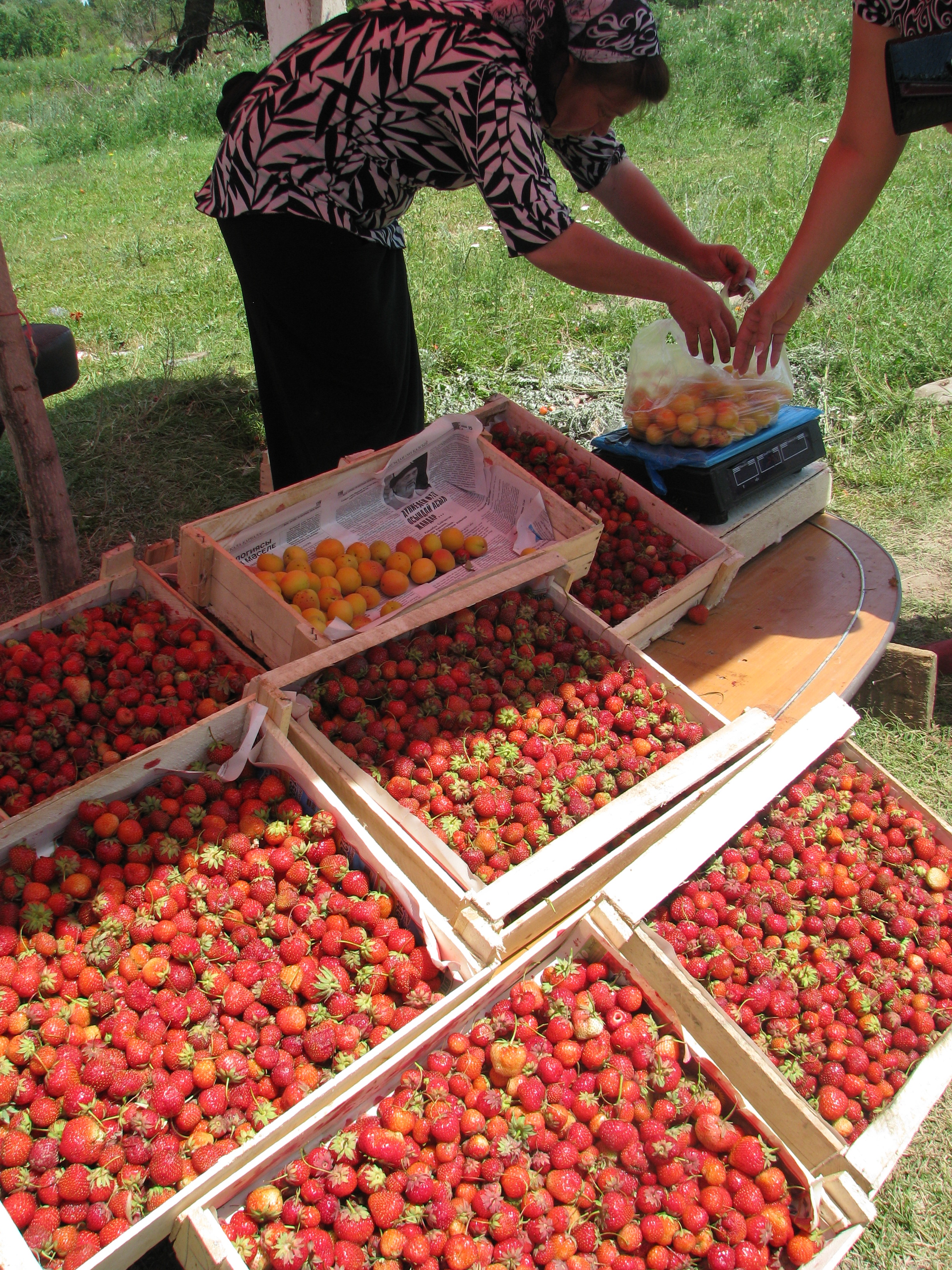
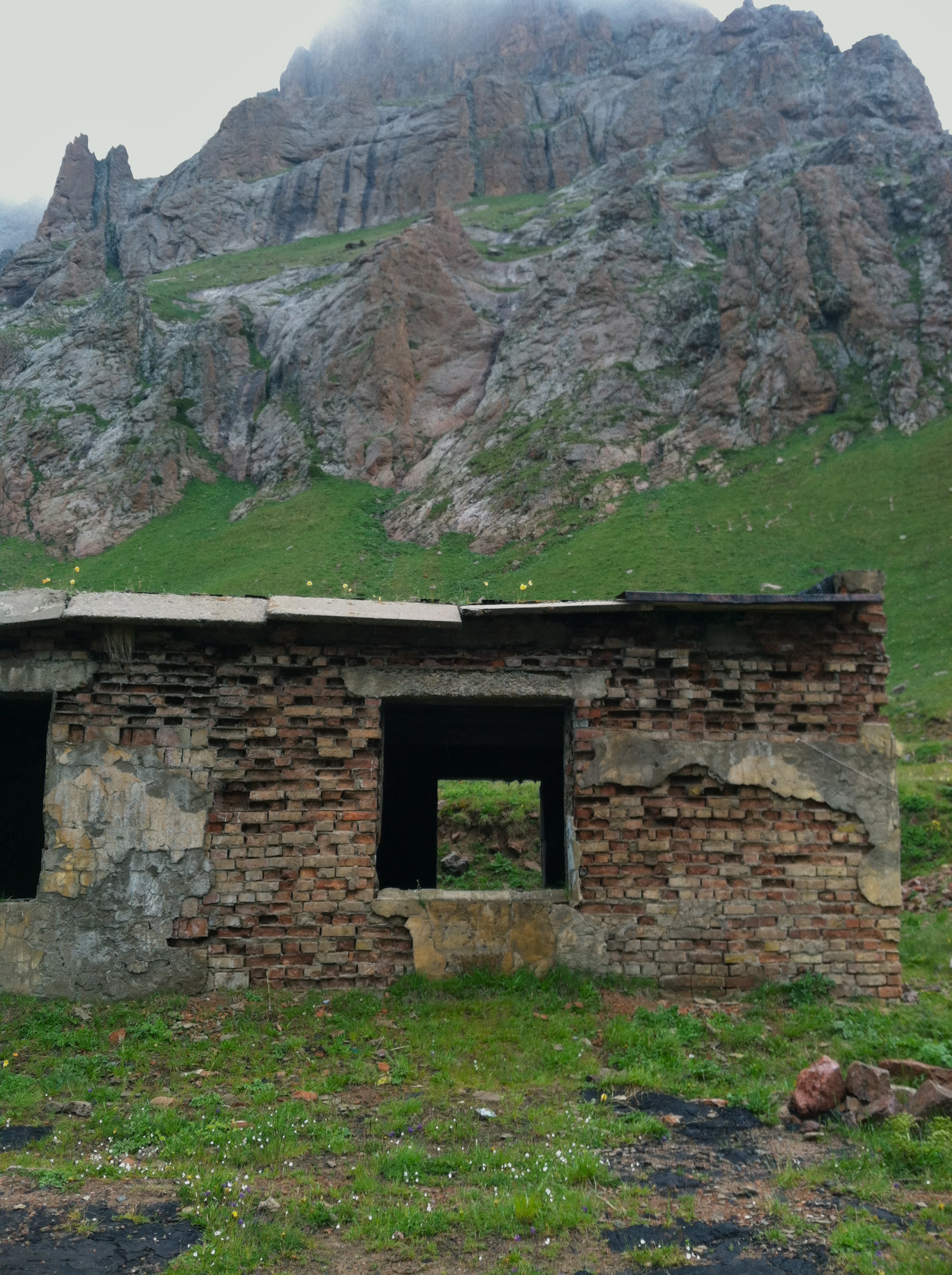
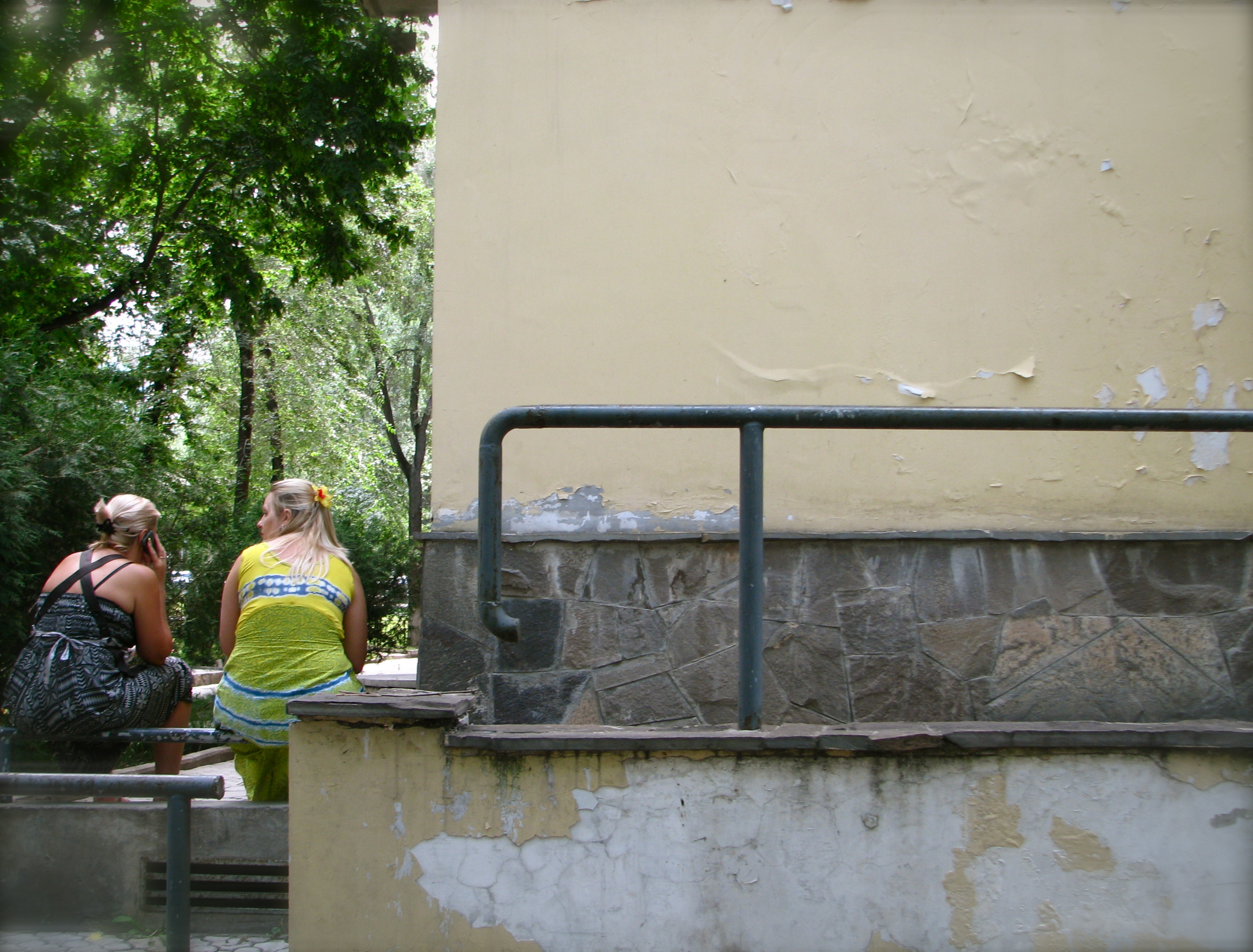
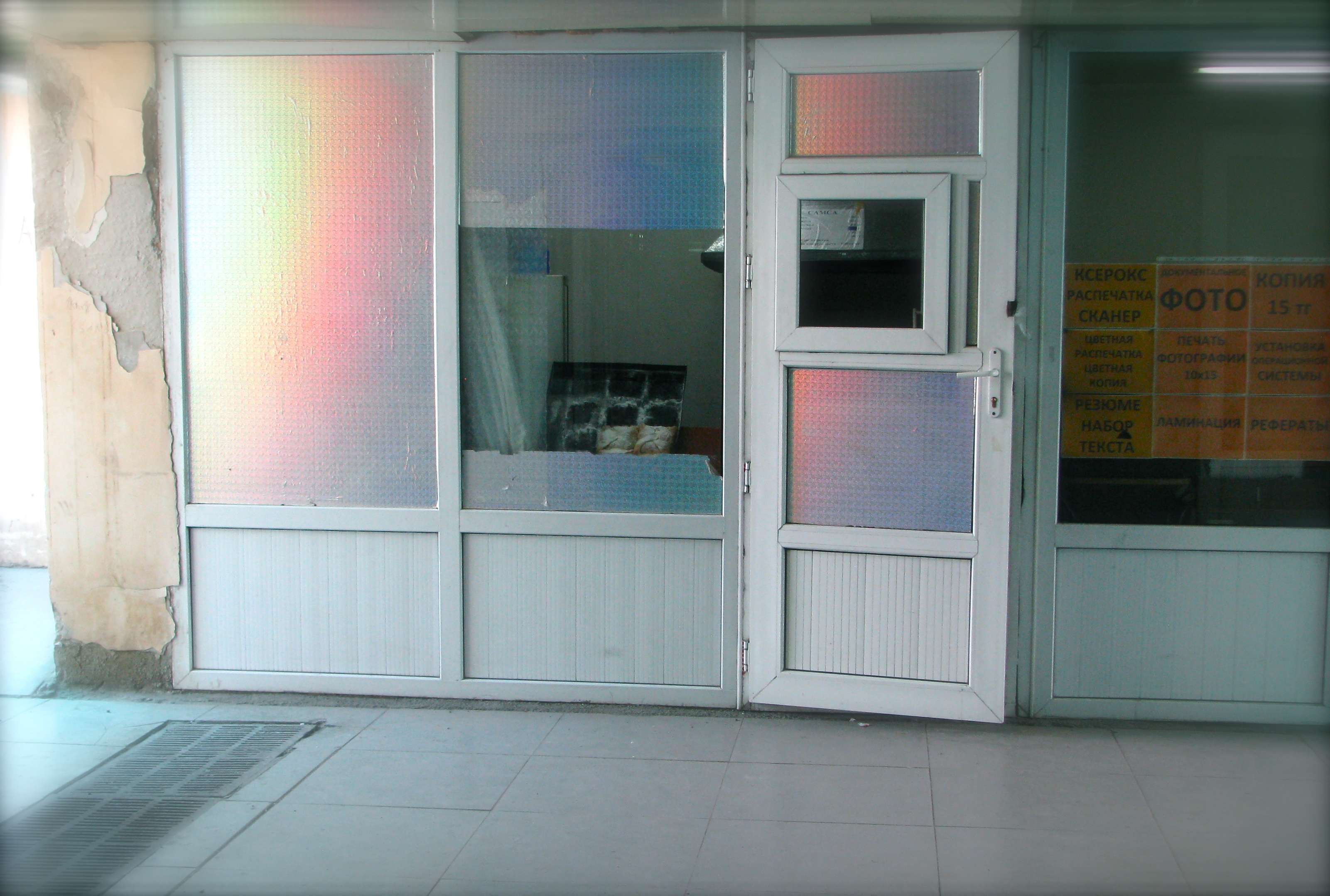
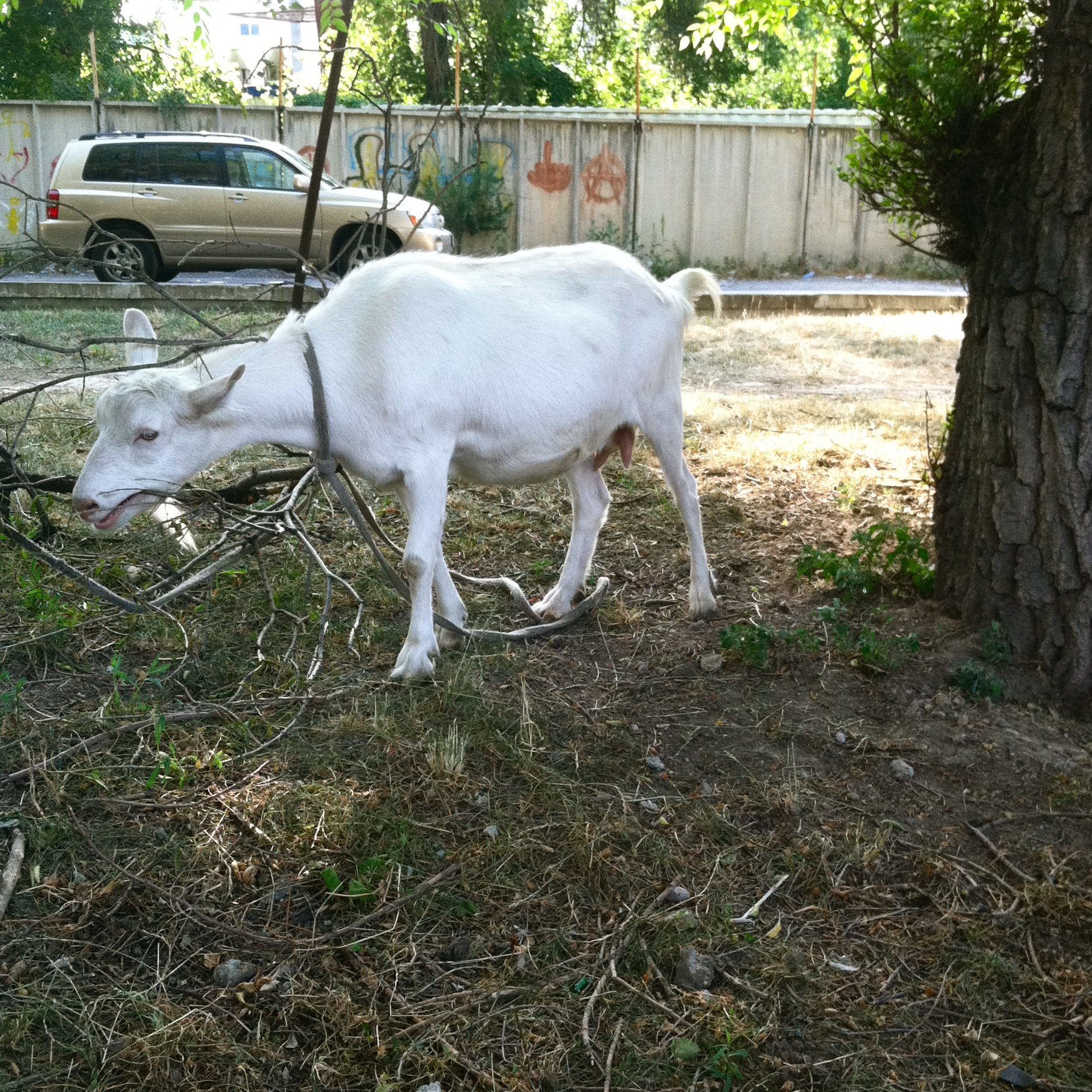
Goat, along the canal path, likely soon to be someone’s dinner.
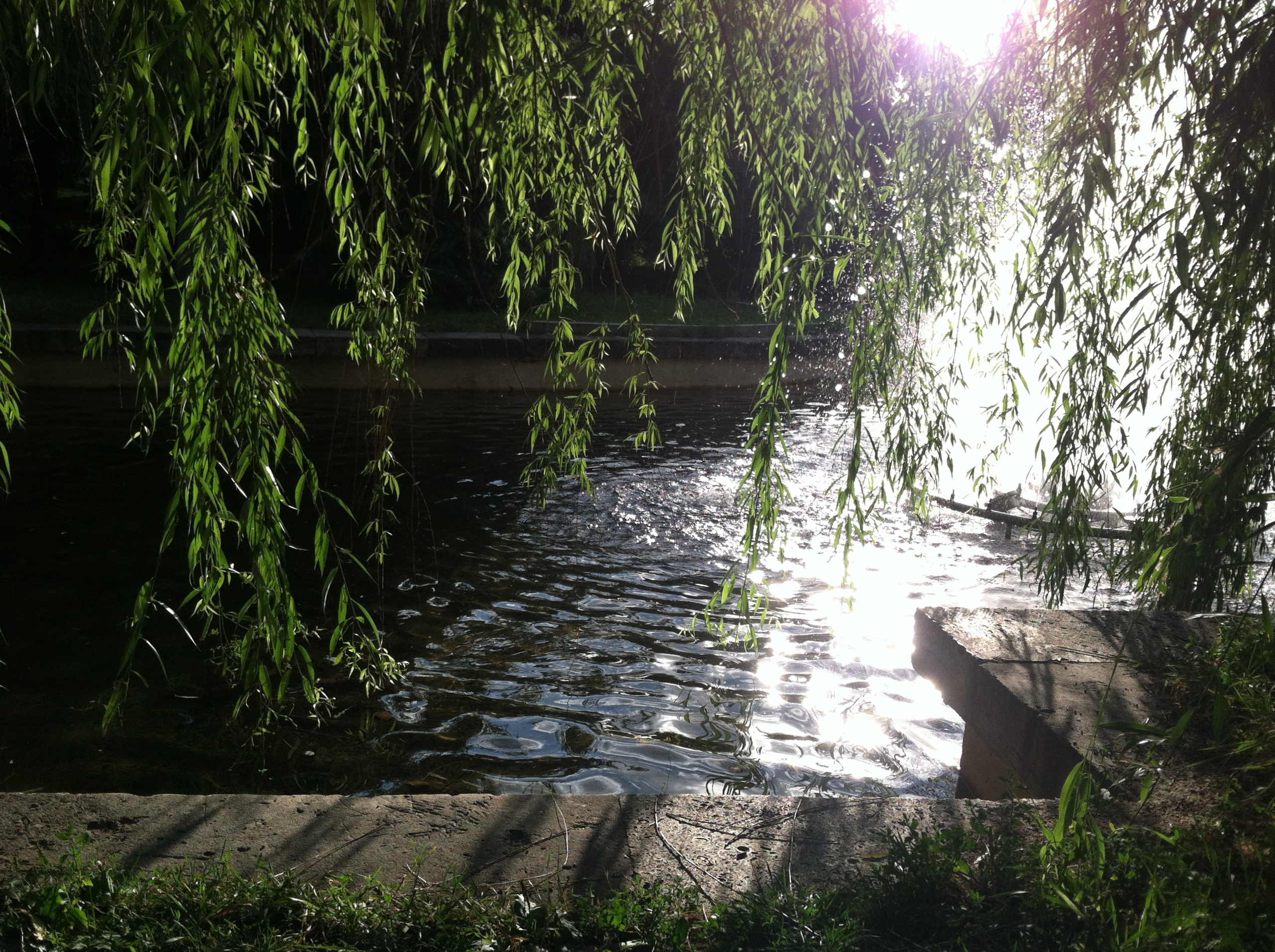
One of Almaty’s many fountains.
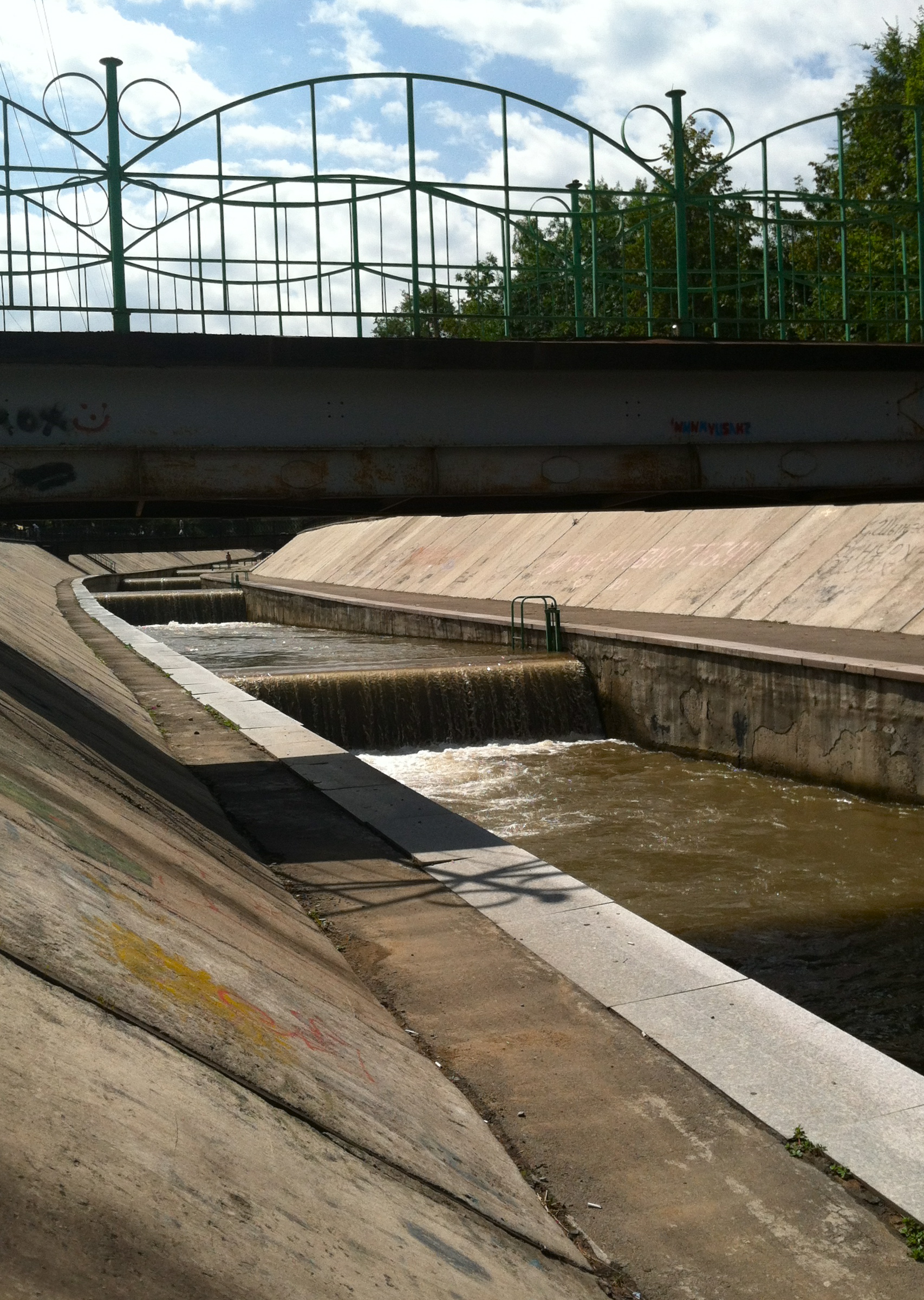
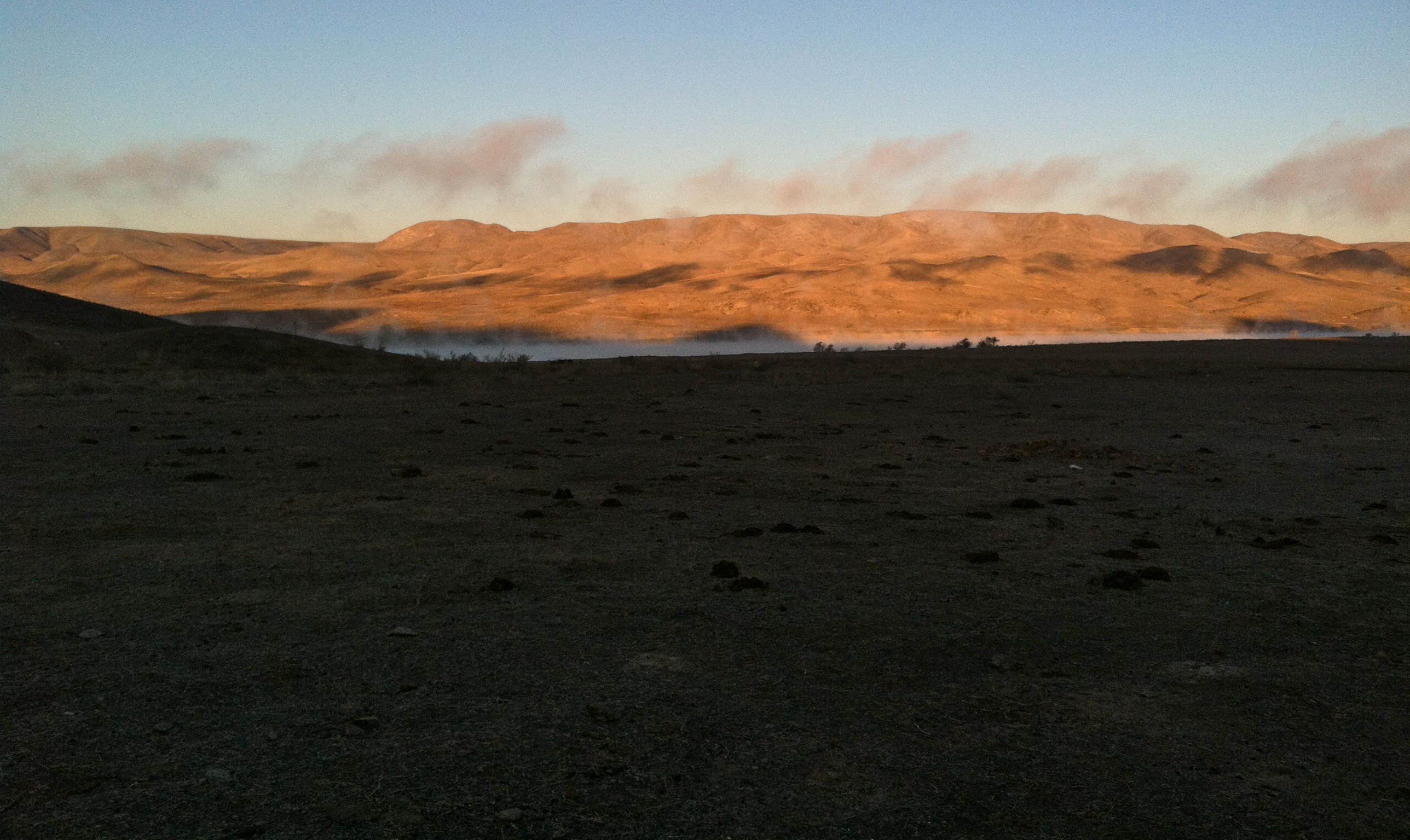
Ili River at sunrise.
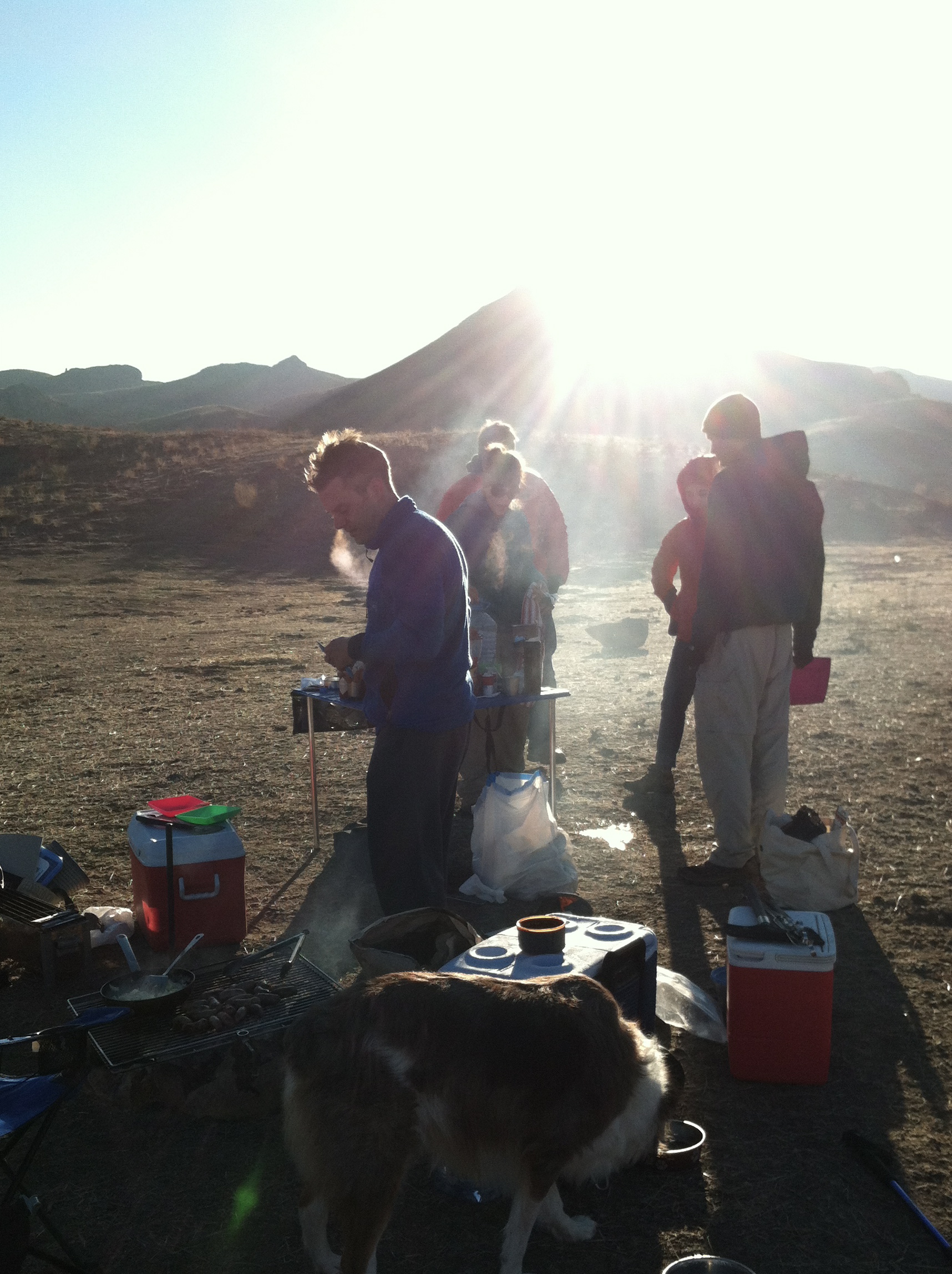
Breakfast.
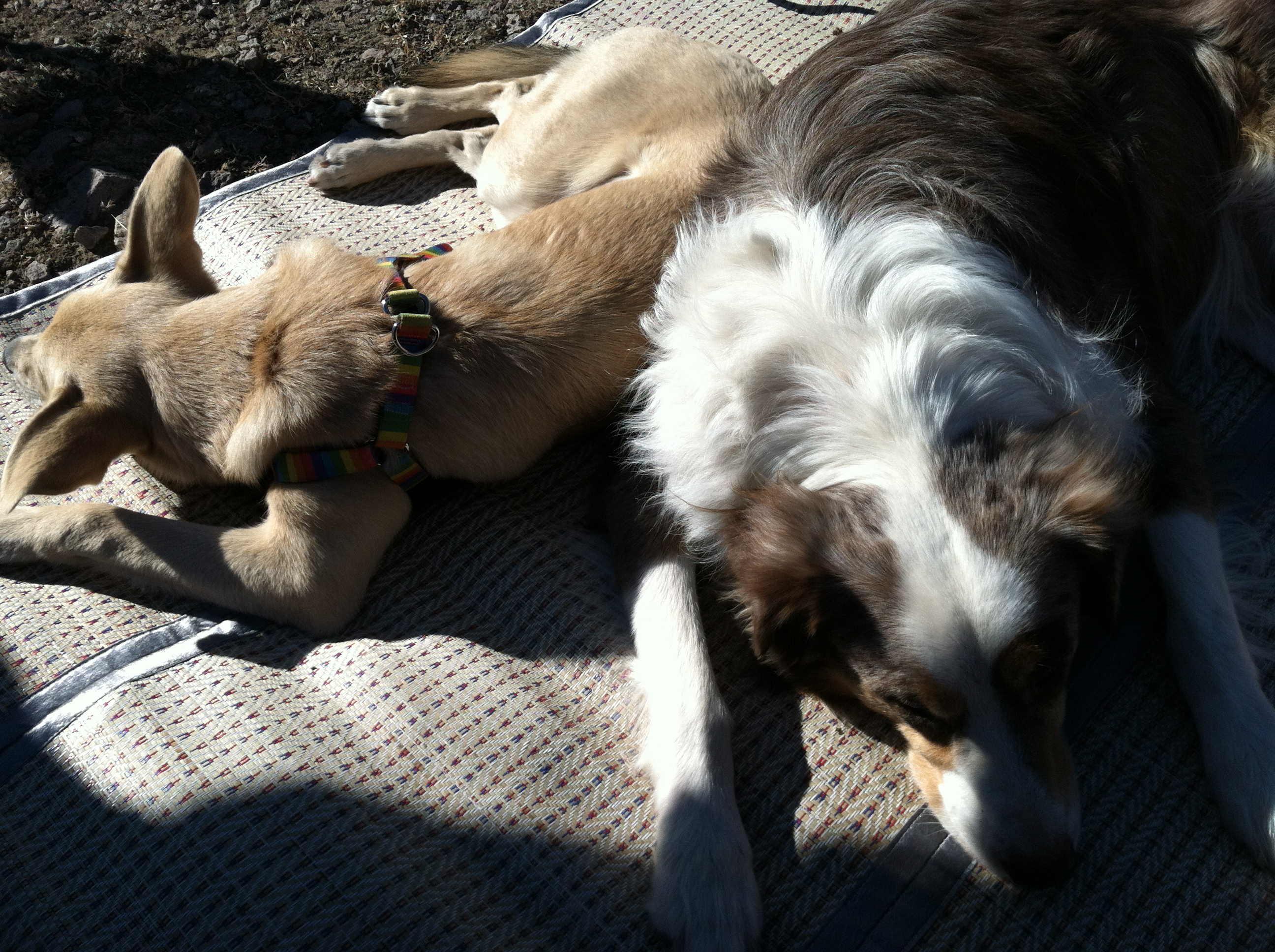
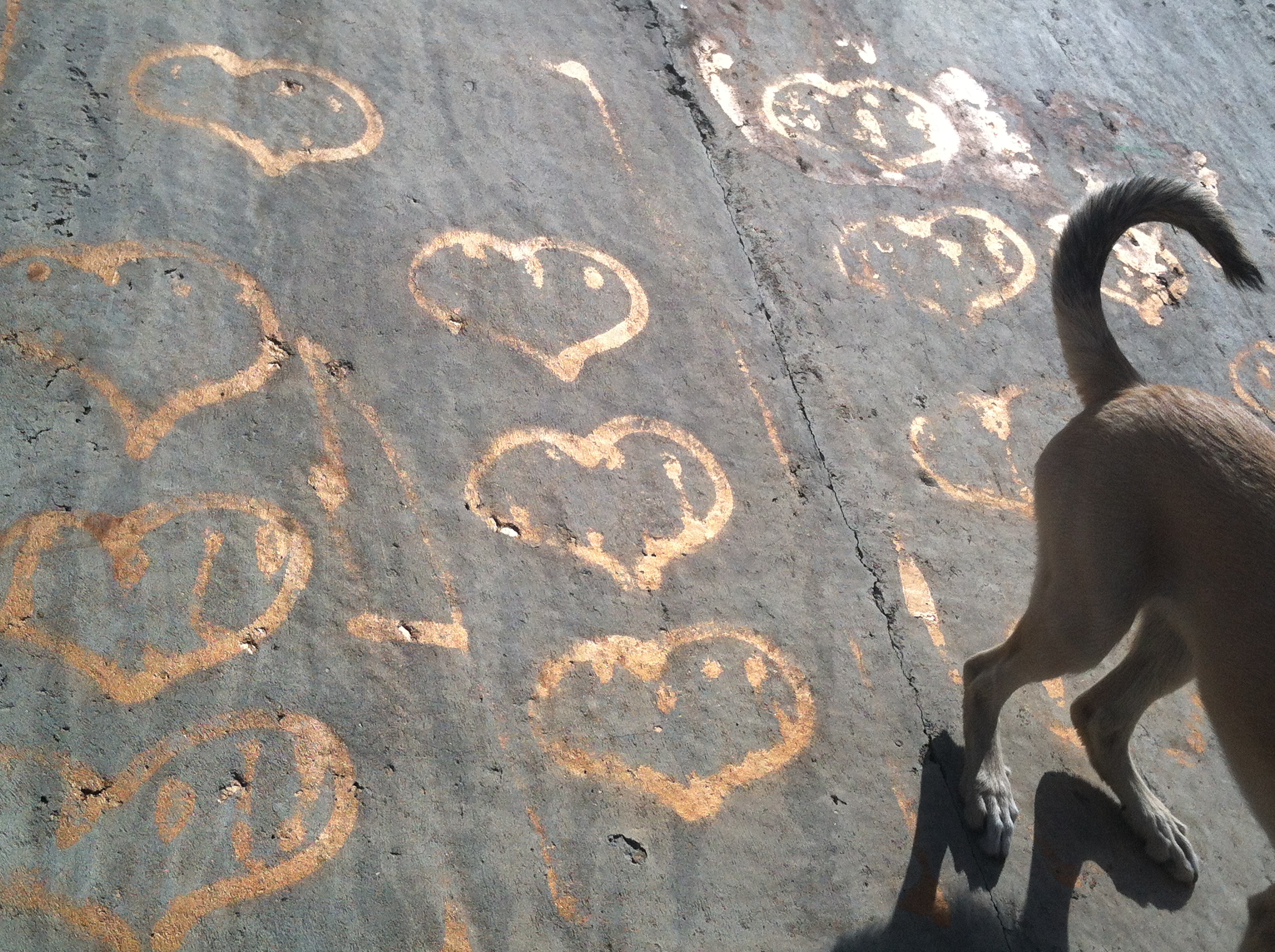
Dog pals.
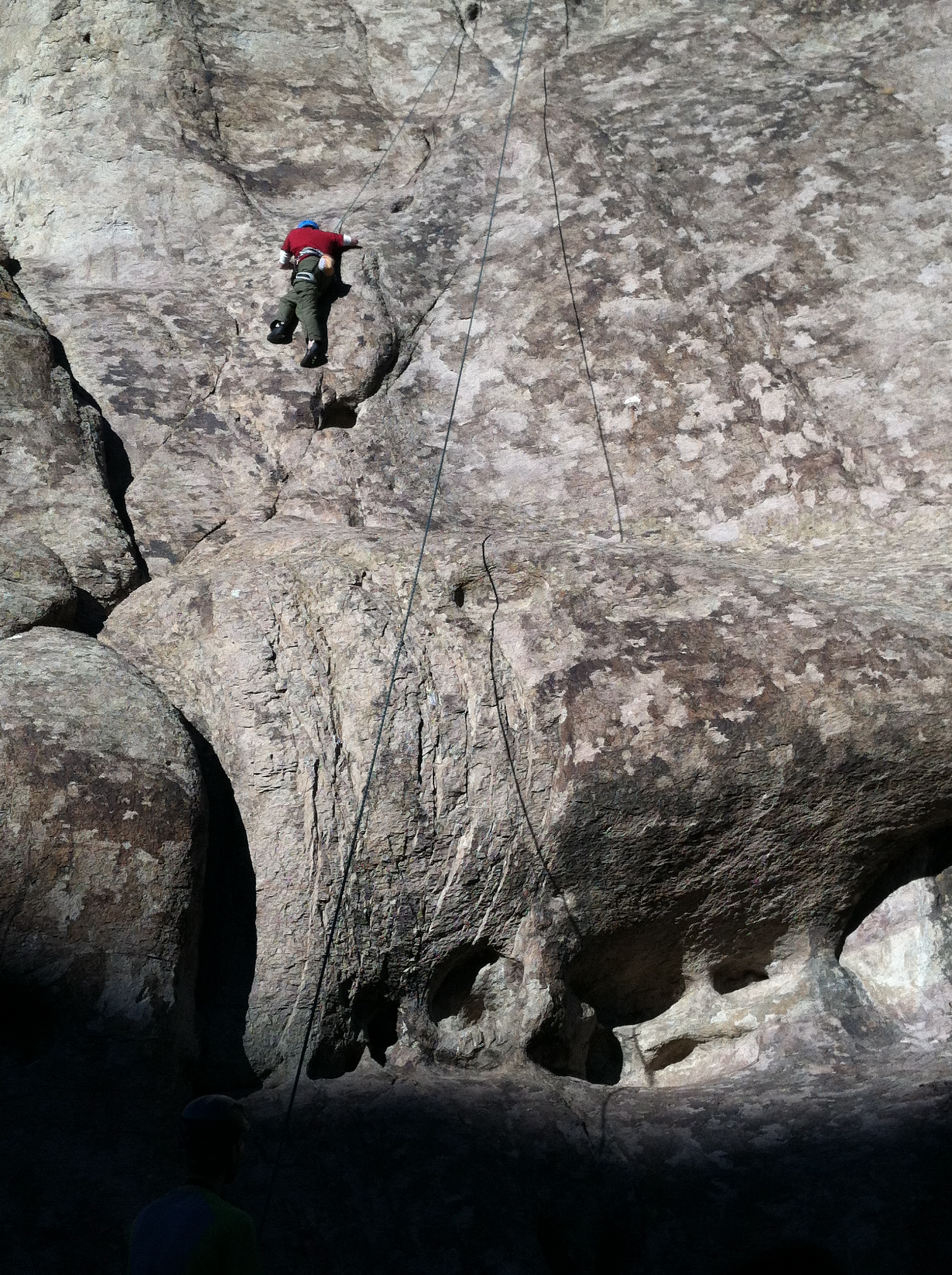
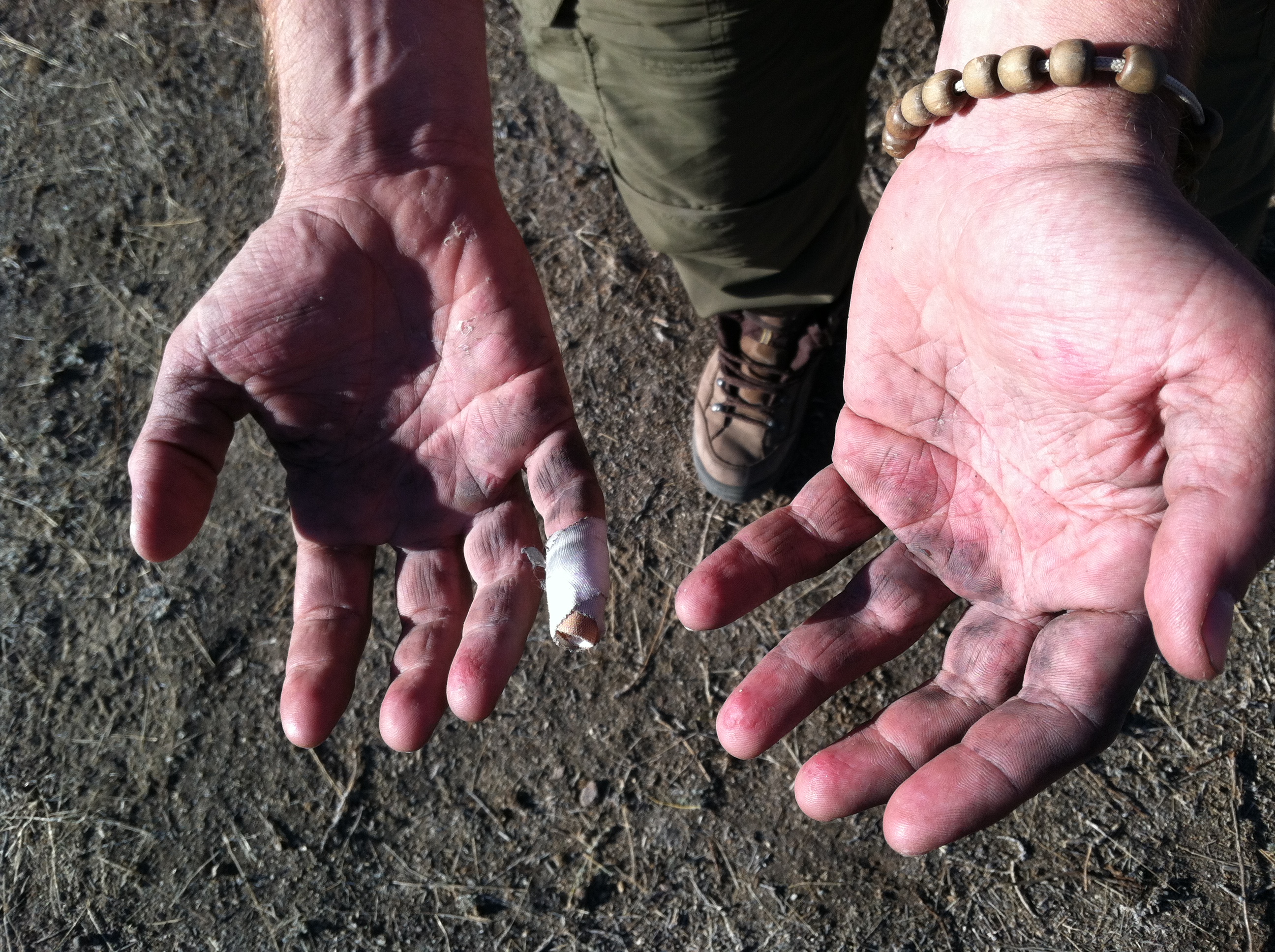
Sam’s busted rock-climbing hands.
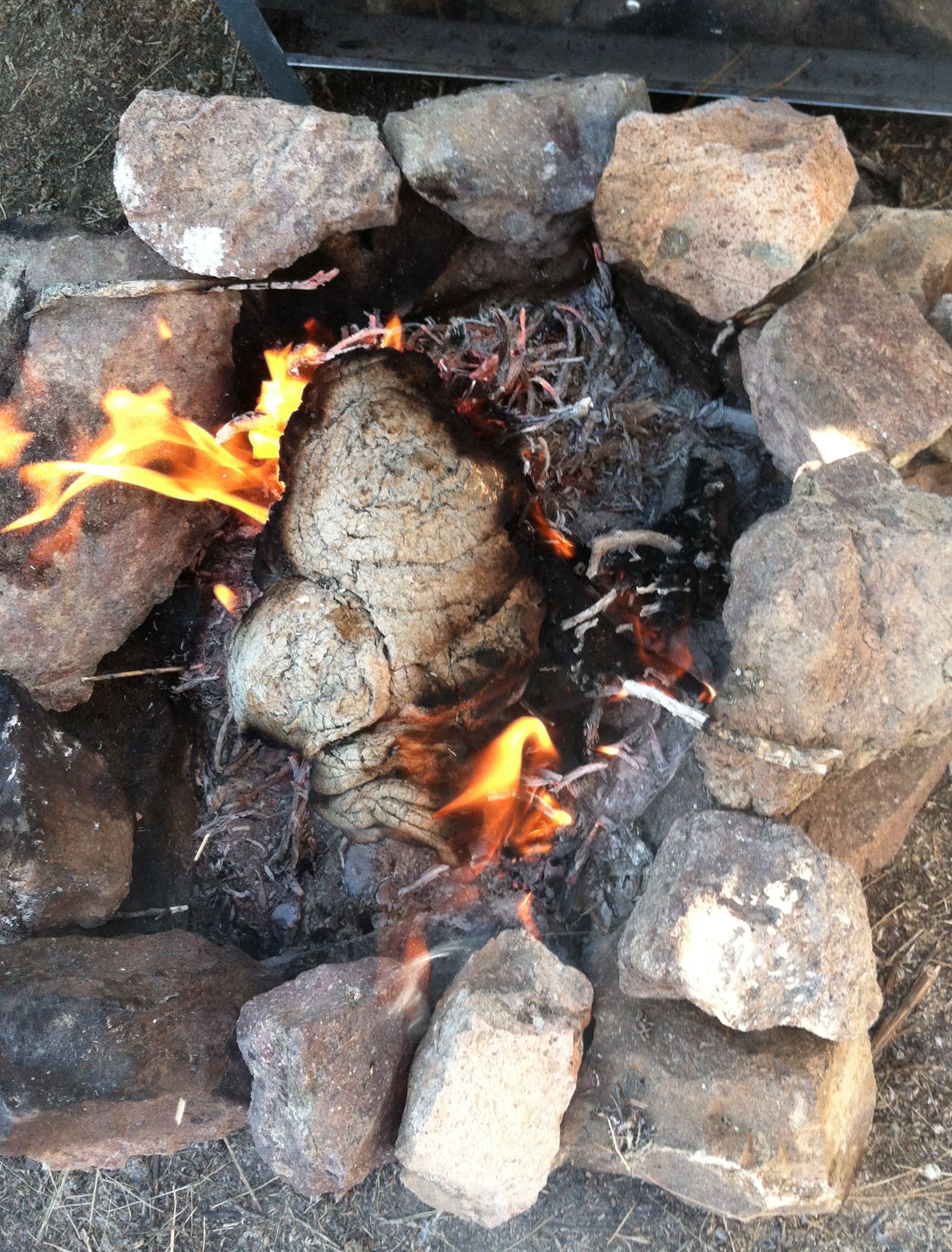
Burning cow dung keeps the flies away. Yes, really.
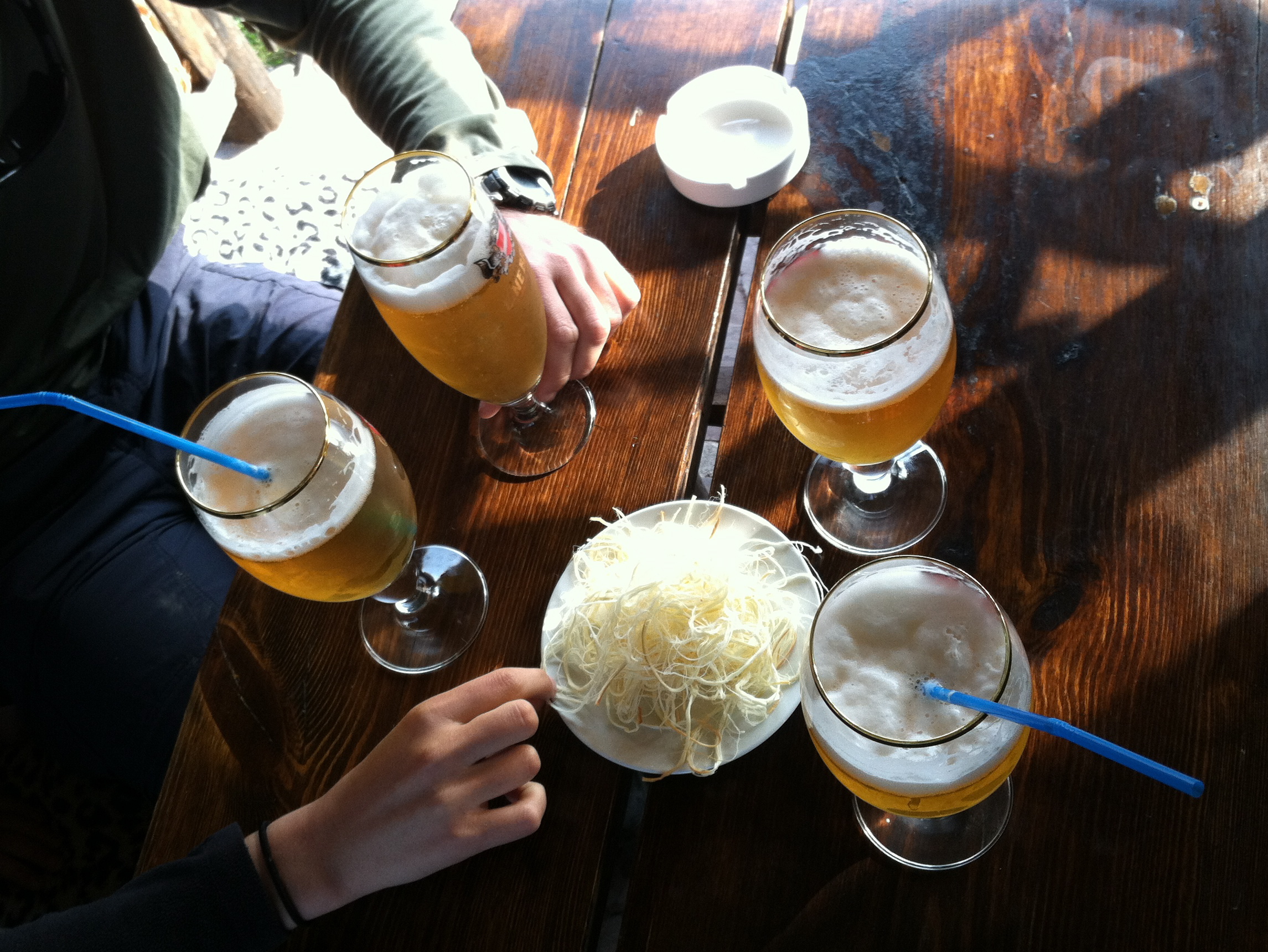
Post-hike чечил & пива (smoked cheese & beer).
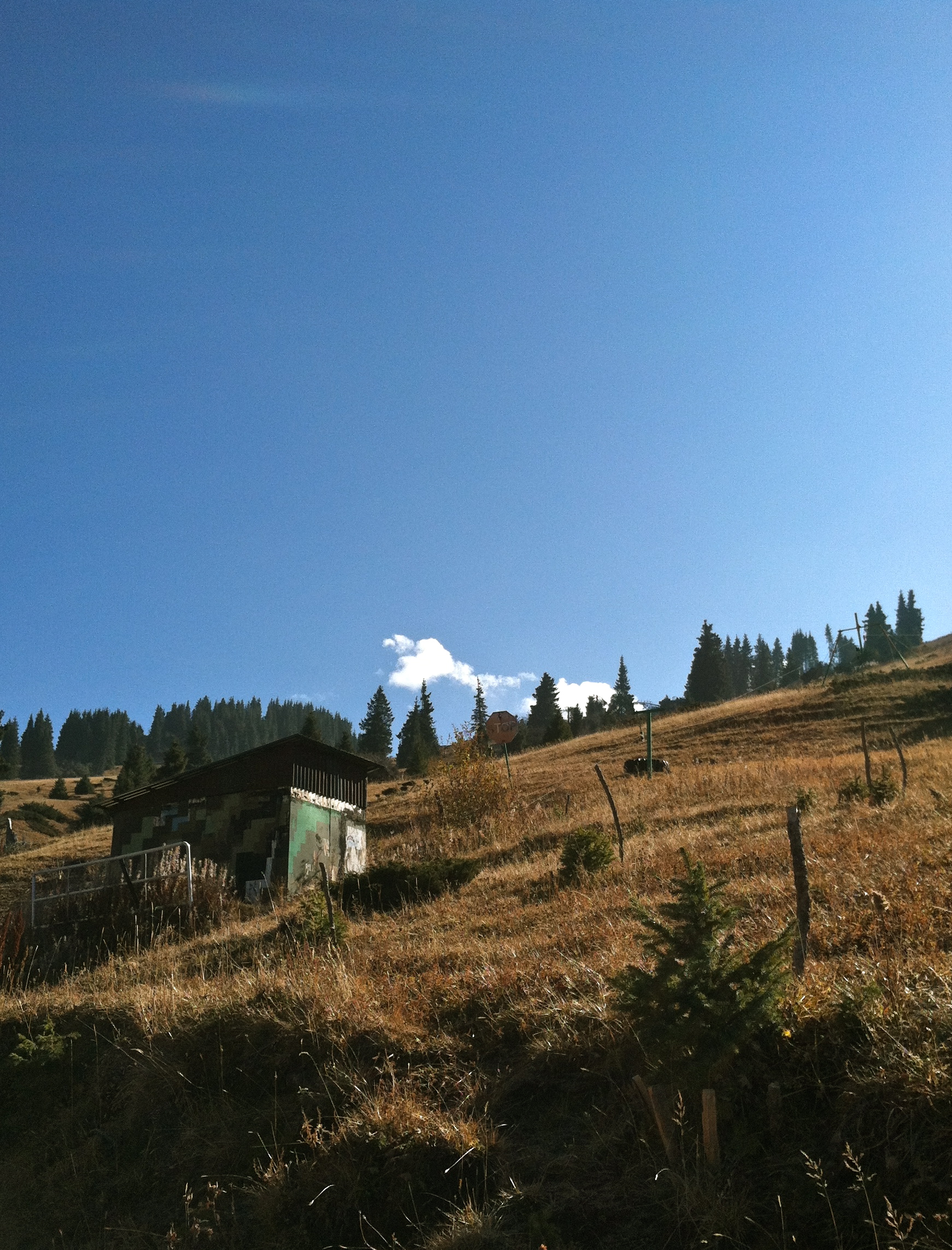
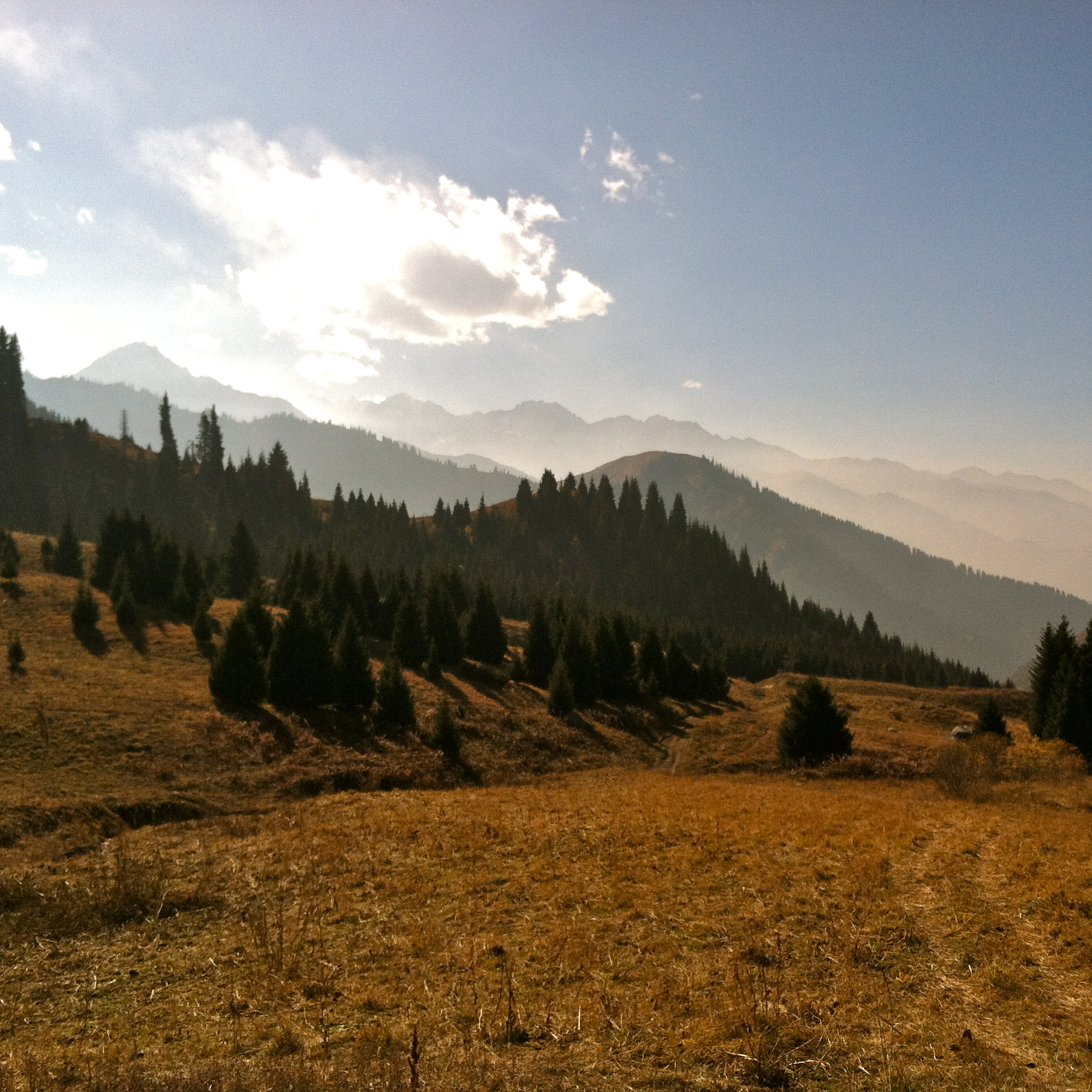
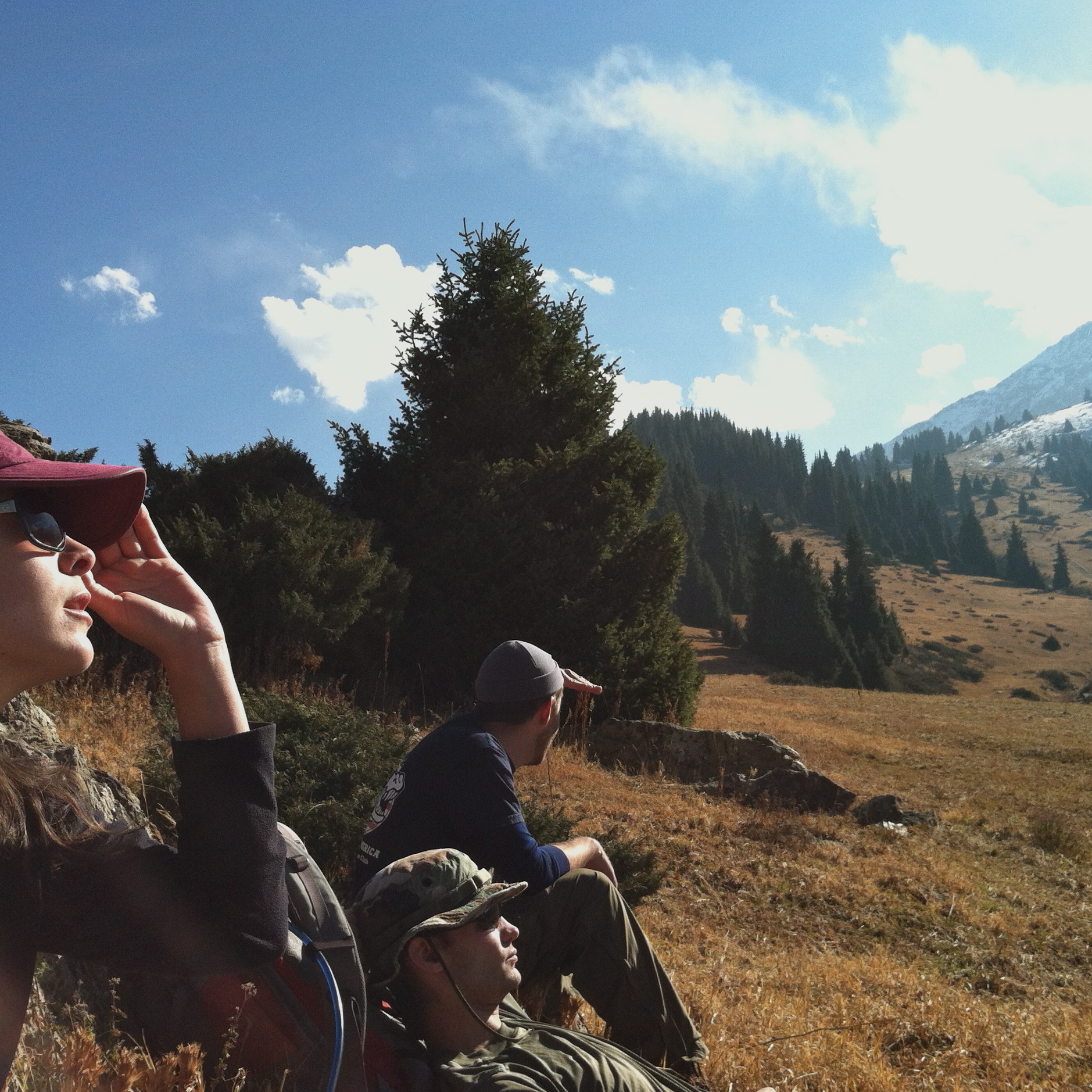
Resting at our turnaround point.
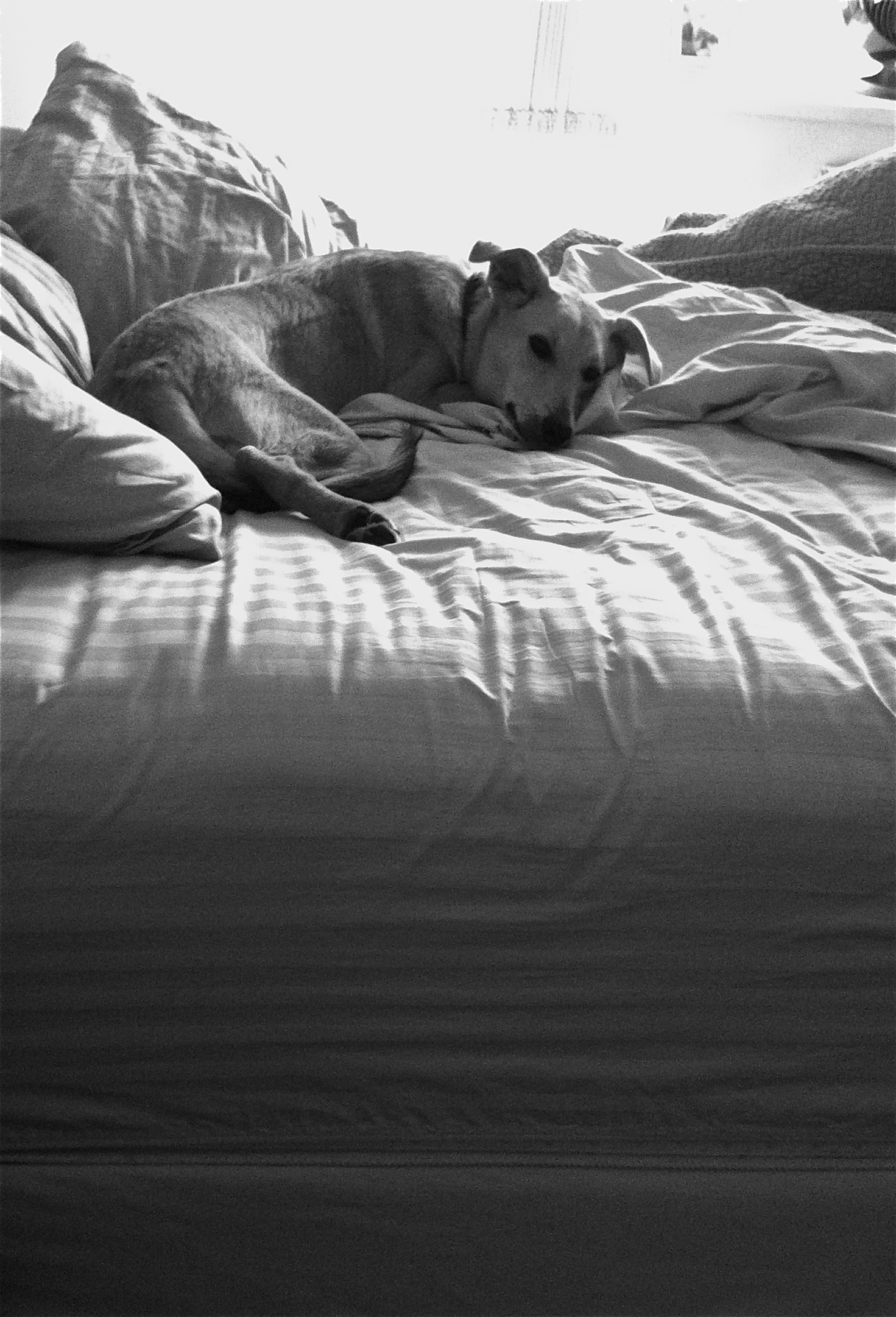
The current wife of our Russian instructor’s ex-husband is a local veterinarian. By some strange coincidence both women are named Marina. Marina the instructor helped me place a call to Marina the veterinarian (as she speaks no English) to schedule Mishka’s surgery [1]. I was asked to provide a sturdy table—not round—and a large sheet. The surgery would take place in our home on Thursday morning at 10 a.m. and I would be the acting veterinary technician. I know no Russian veterinary terminology, though I do have a non-round table and an old sheet.
Later that same evening, Marina the instructor calls to say that Marina the veterinarian would need a trained assistant to perform the spaying procedure. She has performed this surgery on female cats in their homes, but dogs are slightly more complicated. She regrets to say that she will be unable to help us.
While on a run with Mishka the following afternoon, Marina the instructor calls me from the veterinary hospital two blocks from the USAID mission office. She is in the process of scheduling an appointment for Mishka’s surgery. Again, we are told it will take place at 10 a.m. on Thursday—though this time it will be at the clinic. “Do not feed Mishka for 12 hours prior to surgery, and bring an old t-shirt with you,” Marina says.
On Thursday morning, Mishka trots happily through the parking garage towards our car. So far, car rides mean hiking, or camping trips.
At 9:55 a.m., we walk with a reluctant Mishka through the front door of the veterinary office. The building is not obviously marked, but there is a public bulletin board in the entryway with photographs and descriptions of animals: lost, found, for sale. We know we’re in the right place. And, tail between legs, Mishka knows she’s in the wrong place.
We walk up the stairs, through an open door and into the dingy, dimly lit reception area of the veterinary office. The receptionist and a client are discussing a bill quietly, in Russian. To our left is a slightly larger room with three stainless steel tables. Veterinary technicians, donning the apparently requisite socks with sandals, are busily working on two puppies. One of the puppies is very sick with a gastroenterological condition. His owner tells us, in perfect English, that we should not let our dog dig in the dirt—this is how her puppy became so sick.
Fifteen minutes later, I scoop Mishka up and set her on a stainless steel table in the only other room in the clinic—one that we assume is reserved for more serious surgeries. In the corner of the room, there is a kitten in a kennel, gently mewing.
The surgeon prepares a syringe to anesthetize Mishka. She asks me to hold the dog still while she administers the injection. As the clear liquid makes its way into Mishka’s body, I notice that the surgeon has dried blood under her fingernails.
There is no heart rate monitor. There is no oxygen. Each of Mishka’s four feet are tied to the stainless steel table with a dirty, white rope, exposing her belly for shaving, and then, surgery.
Shortly after Mishka’s operation begins, Sam and I notice a client giving the clinic’s staff a large plastic bag of apples in exchange for her cat’s visit. The surgeon and veterinary technicians slice and eat several of the apples while performing Mishka’s surgery.
While we wait, Sam and I call Marina the instructor three times—we need her to translate for us. First: so we know how long the surgery will last. Second: to confirm that we do, in fact, take Mishka home with us directly afterwards. Third: to be certain we understand all of the post-op instructions, given to us on a half-sheet of paper, printed in Russian.
The next 24 hours are crucial and incredibly difficult. It takes Mishka nearly two hours after surgery to stand on her own. She vomits in her dog bed, then stares with a hollow, desperate expression on her face, hallucinating as the anesthesia wears off. Throughout the evening, she seeks out both me and Sam for comfort and reassurance. Sam spends the entire night with her, sleeping on the living room floor.
With each hour, and each day, Mishka gets back a little bit more of her charm and puppy energy. Her corset, fashioned by the veterinary technicians out of the old t-shirt, keeps her from chewing on her stitches. I do a lot of explaining to the security guards and shop girls and neighbors in our apartment building who have become Mishka’s friends. “Не щенков” or “no puppies” I say, and get mixed responses [2].
Two weeks later, Mishka fully recovers. Sam and I confirm with Marina (the Russian instructor) that we do, in fact, remove the external stitches ourselves. So we kneel on the living room floor, Mishka between us, and do our dirty, careful work—with a pair of eyebrow tweezers, and the sharpest pair of art scissors I can find.
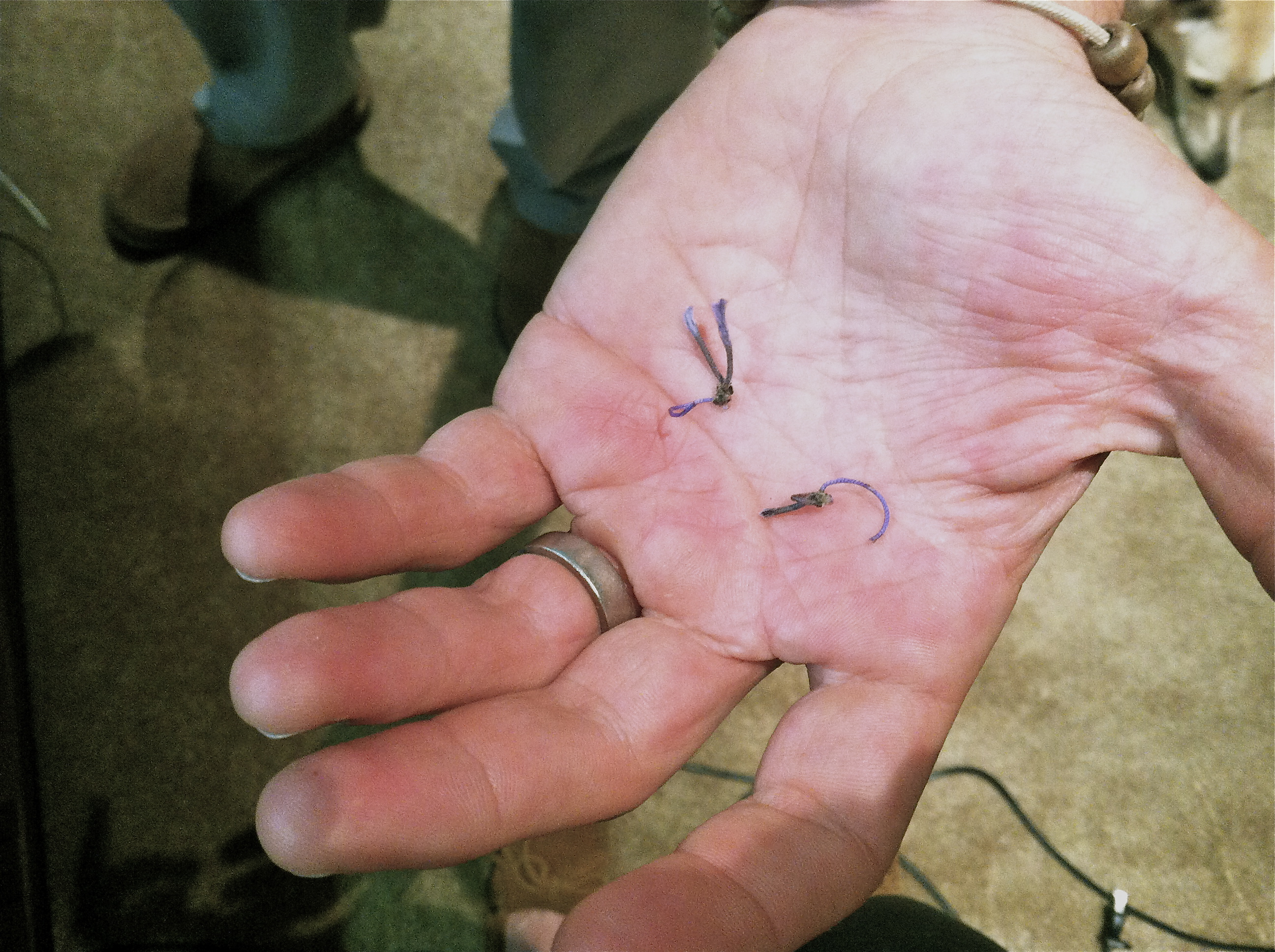
Stitches, removed from Mishka’s belly.
[1] In female animals, spaying involves abdominal surgery to remove the ovaries and uterus. Spaying is performed commonly on household pets as a method of birth control.
[2] Spaying and neutering are not popular practices in Kazakhstan where dogs are valued as either status symbols or tools—it makes no sense to sterilize a dog when it could potentially create more dogs (to sell, or to keep as protection). Reproduction, generally, is cherished in Kazakhstan. Young girls are told not to sit on cold surfaces, go swimming in cold water, or sit in drafts, as any of these could render one infertile. This idea is supported by the fact that nearly 20% of any grocery store in Almaty is dedicated to baby products.
 floating & flying